
The evolution of the mall is perhaps most apparent in what people are actually doing inside and around it.
For generations of Filipinos, the mall has occupied a surprisingly large place in everyday life.
We shop there, certainly, but we also meet friends, take our children out, eat Sunday lunch with family, exercise, watch concerts, attend exhibitions, and, quite often, simply escape the heat. As lifestyles change, however, so do our expectations of these spaces.
For SM Supermalls, which recently opened its 90th Philippine mall, that evolution increasingly means thinking beyond retail. New developments are being designed around food, entertainment, culture, wellness, and community, while a growing sustainability program raises another important question: how can spaces visited by millions of people operate more responsibly?
The answer will matter as SM continues to expand.
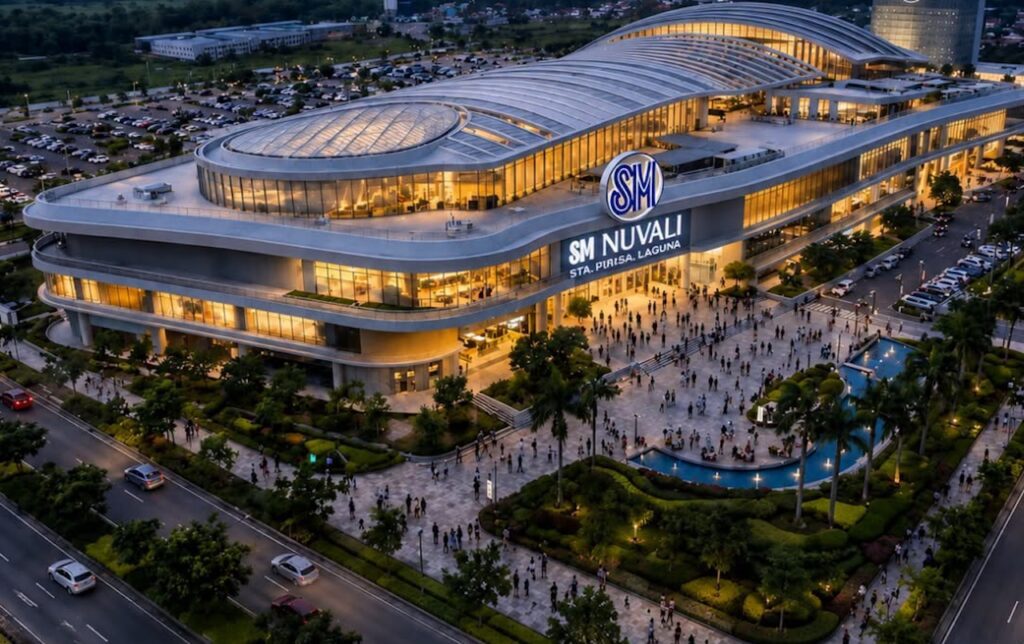
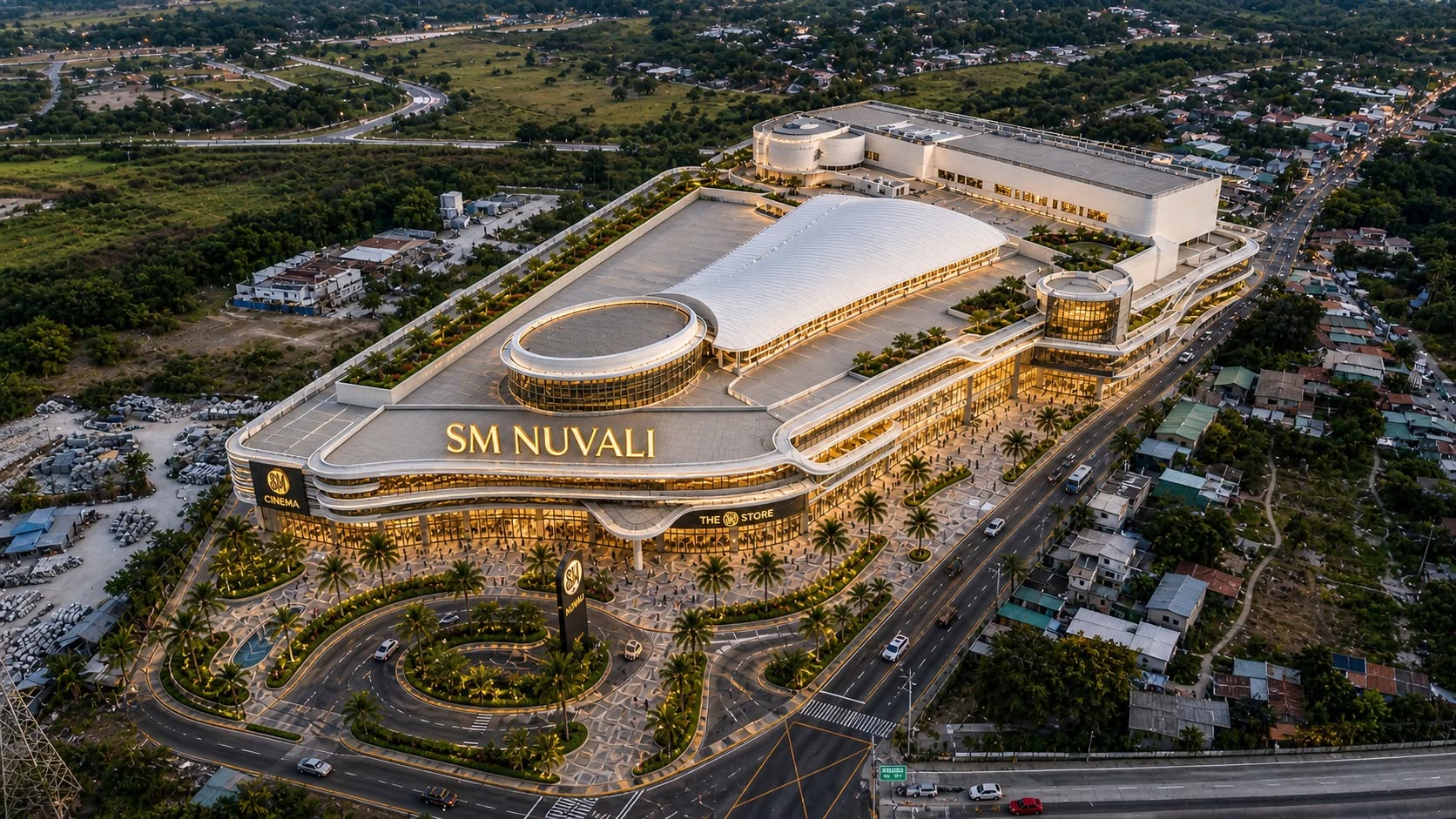
This November, SM Nuvali is set to open along the South Luzon corridor as a flagship dining and entertainment destination, including what the company describes as the country’s first LED cinema screen experience of its kind. In the Visayas, the recently opened 25,000-seat SM Seaside Cebu Arena creates a major new venue for concerts and live entertainment outside Metro Manila.
But the changing mall is perhaps most apparent in what people are actually doing inside and around it.
More than 40,000 runners participated in the Galaxy Manila Marathon and SM2SM Cebu events this year, while 102 pickleball courts are now operating across 32 SM malls. Art and heritage have also entered everyday mall spaces through projects such as Museo del Galeon, Art for Everyone, and AweSM Festivals.
The idea is to create places that respond to different communities rather than expecting everyone to use a mall in the same way.
Related story: Addicted to shopping? South Korea’s ‘dopamine’ sites scratch the shopping itch without checkout
Related story: PH is now VAT-free for foreign tourists
Growing more responsibly
Yet the future of leisure cannot be discussed without considering its environmental footprint. Large developments require significant resources to operate, making sustainability particularly important at scale. SM continues to integrate solar power across its properties and runs nationwide plastic collection initiatives as part of its broader sustainability efforts.
There is also a social and economic dimension to sustainable growth. SM works with around 900 small businesses daily and has hosted trade fairs supporting nearly 3,000 local entrepreneurs. Creating space for smaller businesses alongside established local and international brands allows some of the economic activity generated by malls to extend into the communities around them.
That becomes particularly relevant as consumer preferences shift. SM’s tenant footprint grew four percent during the first half of 2026, reaching more than 23,000 tenants nationwide, with food, leisure, and lifestyle concepts driving much of the demand.
“Food, leisure, and lifestyle concepts are leading the demand right now,” says Hanna Carinna T. Sy, Senior Assistant Vice President for Marketing and Leasing at SM Supermalls. “We’re actively curating a mix that keeps shoppers staying longer, discovering new brands, and coming back more often.”
From consumers to creators

Community today also exists online, and SM is increasingly inviting the people who use its spaces to become part of how their stories are told.
SM SuperMakers, its always-on creator community built primarily on TikTok, gives content creators opportunities to experience and share what is happening across SM in their own voice and style.
Unlike a traditional campaign-based creator pool, SuperMakers is intended to operate continuously. Creators can join by producing original content around an SM experience, posting it on TikTok using #MySMSupermakers, and inviting @OfficialSupermakers as a collaborator. Following a brand and content check, standout creators may be featured by SM or invited to launches, events, learning sessions, and future campaigns.

There are practical perks, from early access to selected experiences and creator events to rewards and potential collaborations. But the more interesting idea is building a network across different interests and audiences.
It also gives SM’s broader My SM concept a participatory dimension. Instead of the company being the only one telling people what its malls have to offer, creators interpret those experiences for their own communities. A food creator, runner, furparent, gamer, or fashion enthusiast can each tell a very different story about the same place.
In that sense, the mall becomes less about a single prescribed experience and more about providing the infrastructure for many of them.
Building for what comes next

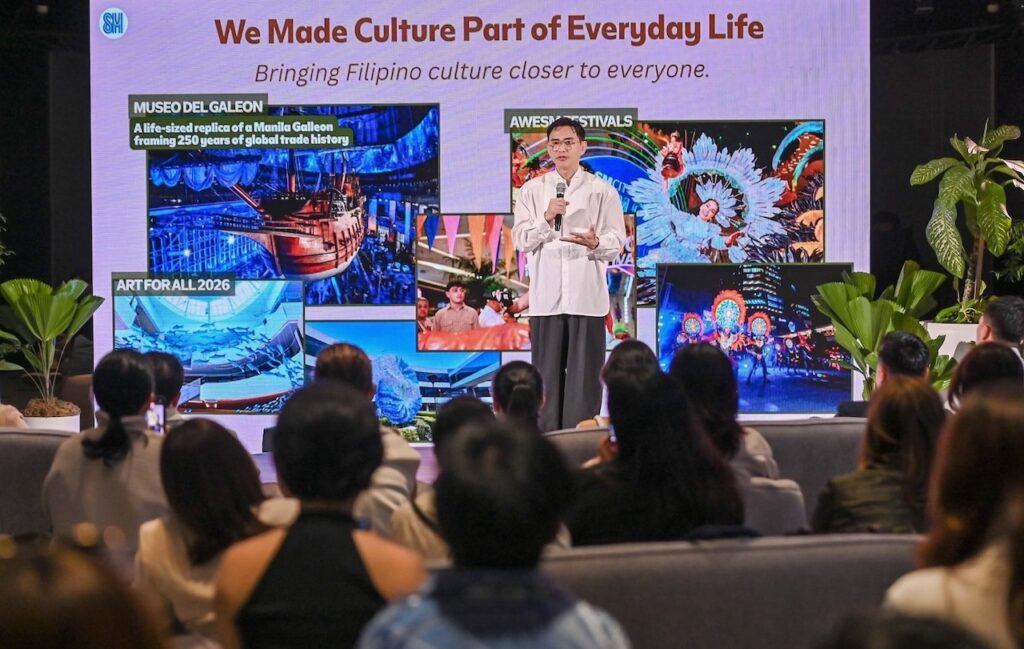
“All of these efforts aren’t just about building better malls, they’re about creating real, lasting opportunities for every Filipino,” says SM Supermalls President Steven T. Tan. “Our goal is to keep evolving alongside our shoppers, making sure SM remains a space where communities can connect, celebrate, and create memories together, showing our purpose in every experience we deliver.”
Perhaps that is the more interesting measure of what comes next. The mall of the future can have better restaurants, bigger concerts, new technology, and more things to do. But genuine progress also means examining how those spaces use energy, manage waste, support local enterprise, and create opportunities for the communities growing around them.
Because if malls are going to remain such a significant part of Filipino life, making them more sustainable should be as important as making them more exciting.
Related story: 6 Summer scents you’ll love wearing this season
Related story: Is running the new Tinder?
Related story: Lace up! 2026’s running season kicks into high gear starting June