
From woven mules to chunky Mary Janes, these homegrown names prove Filipino footwear has plenty of sole.
Marikina has long made a name for itself one pair at a time. Its shoemaking culture—built on generations of skilled artisans, family workshops, and meticulous craftsmanship—helped establish the city as the country’s footwear capital. Filipino shoemaking today, however, extends beyond preserving that legacy. A new crop of local labels is taking those techniques, textures, and traditions somewhere new.
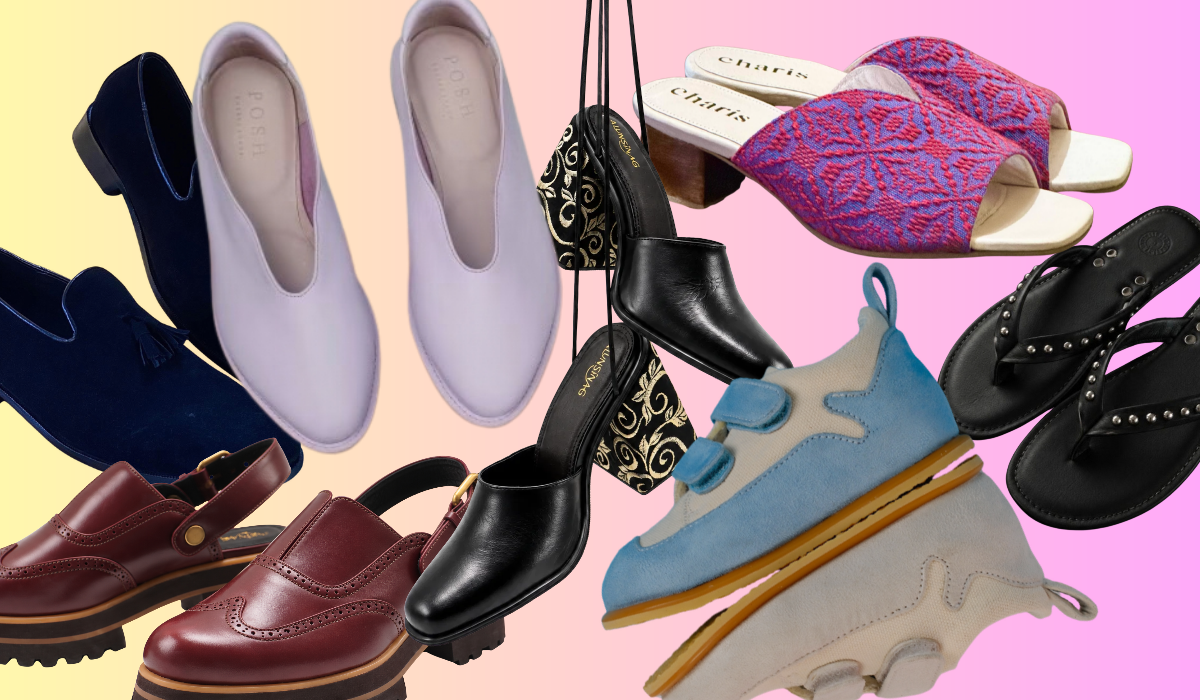
Across the local footwear industry, artisan craft is finding fresh fashion footing. Woven uppers appear on contemporary mules and pointed pumps; hand-finished leather takes the shape of chunky Mary Janes; visible stitching gives everyday sandals more soul. Even ballet flats and pint-sized sneakers are getting a thoughtful treatment through tactile textiles, playful palettes, and homegrown handiwork.
These different expressions of Filipino footwear now meet at Shoe Avenue, a new concept by Spatio and footwear creative hub Zapateria on the second floor of Opus Mall. The name nods to the real Shoe Avenue in Marikina, once lined with shoe shops and workshops that helped shape the city’s shoemaking identity.
No single silhouette defines the eight-label lineup. What connects them is craft, color, and character—and a willingness to take the skills Marikina has long been known for somewhere new. Here are the footwear brands carrying that familiar craft forward:
Related story: More than pasalubong: This DTI fair proves Filipino products are ready for a global rise
Related story: Meet the local labels to champion at DTI’s Bagong Pilipinas trade fair
Alunsinag
Founded in 2024, Alunsinag works with Marikina artisans to put contemporary twists on classic footwear. Its approach centers on comfort, quality, versatility, and thoughtful production, with the Pya Mules earning recognition at the 2024 Global Footwear Awards.
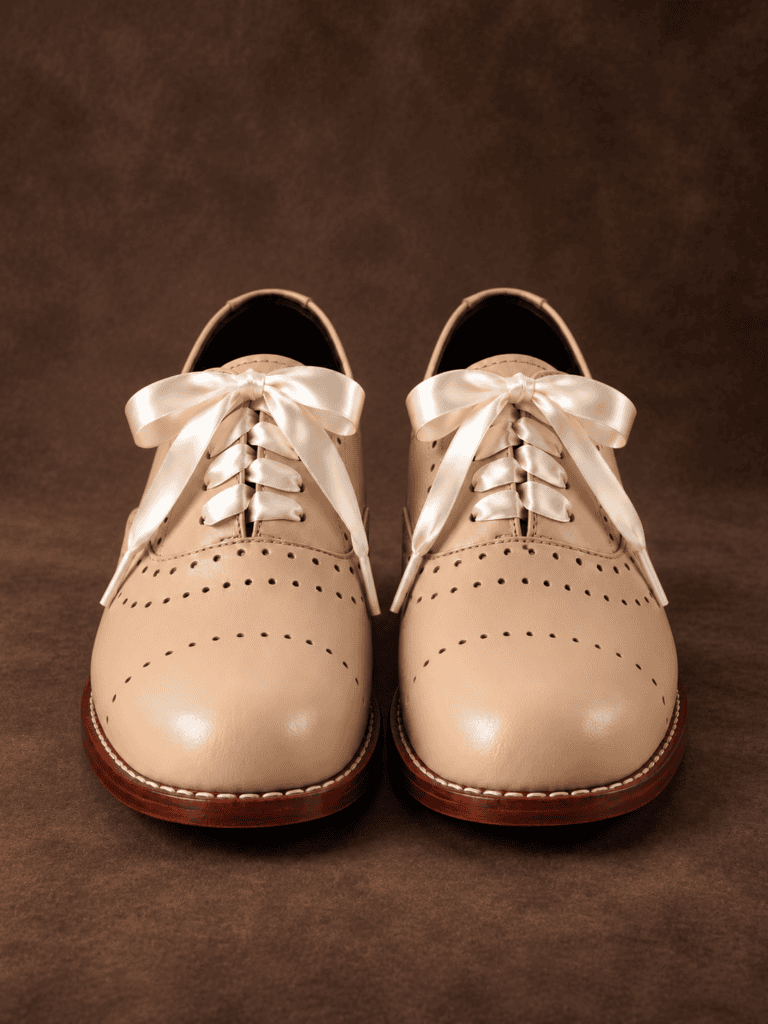
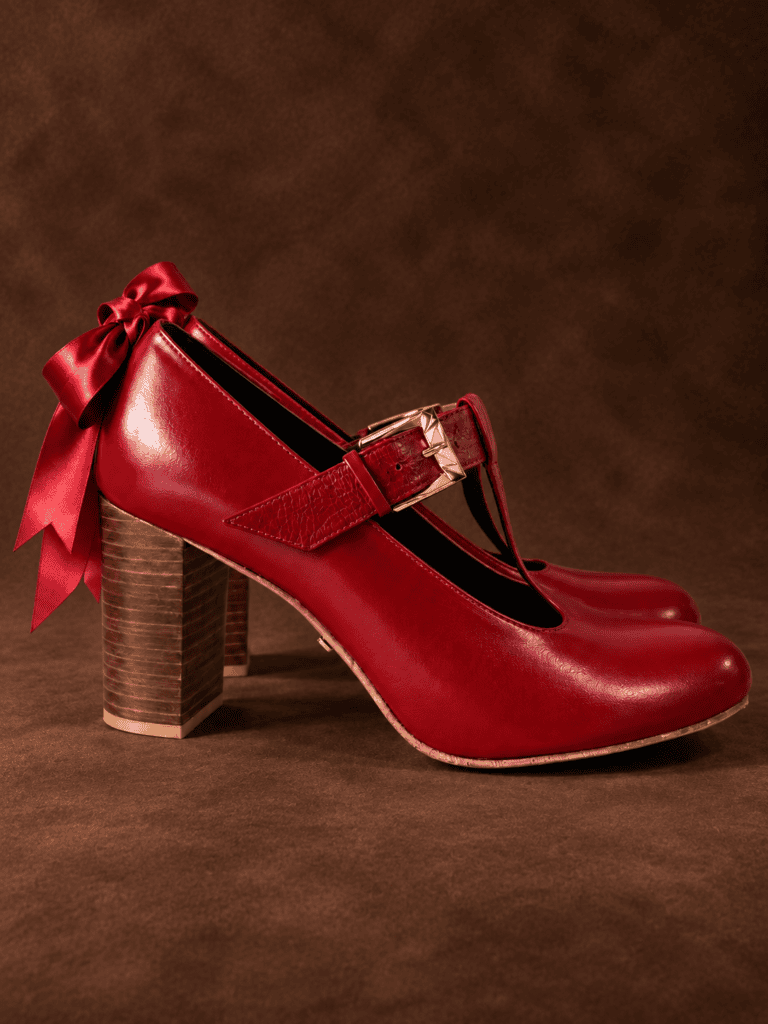
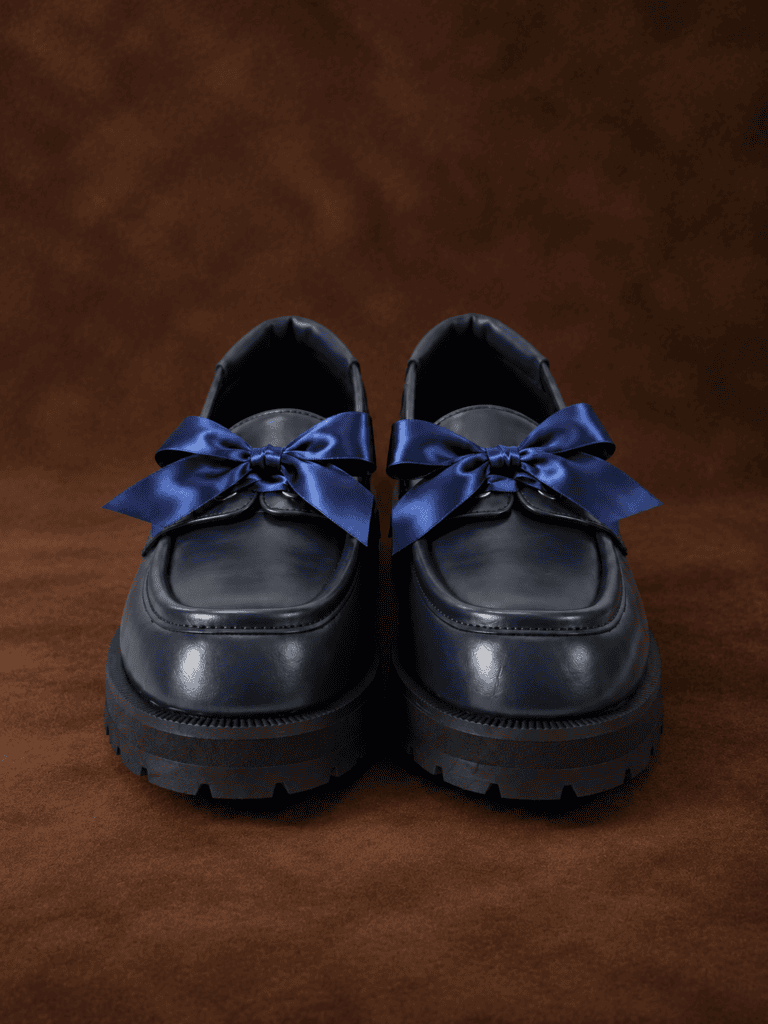
The pieces we previewed make the brand’s point beautifully. Oxfords arrive with chunky soles and contrasting laces, boat shoes play with color and proportion, while Mary Janes and mules bring bows and feminine details into the mix. There’s a preppy-meets-playful sensibility running through the collection, proving heritage silhouettes have plenty of room for personality.
Bida Loca
Bida Loca brings in the fun. Founder Antje Schwarting’s label is known for its signature Bobbles alongside colorful handcrafted accessories, bags, and leather sandals.
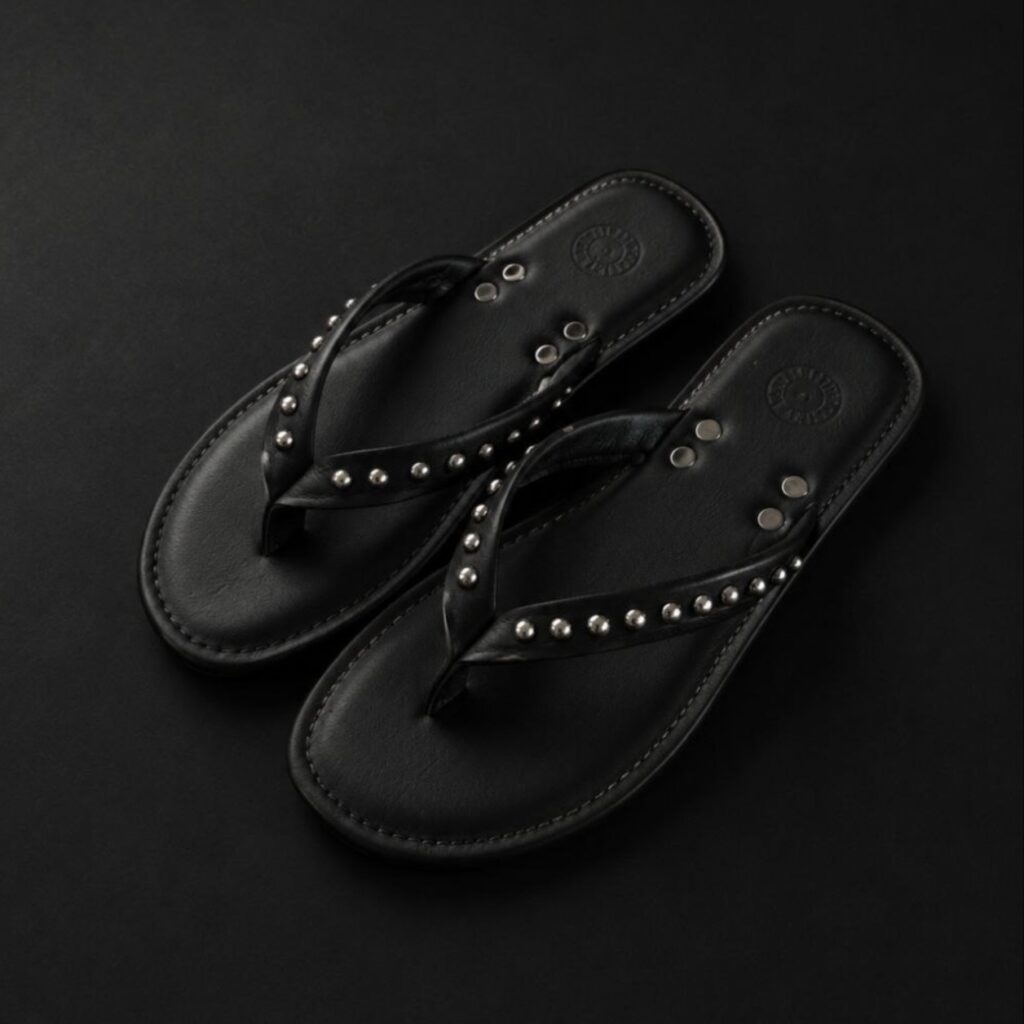
Its footwear embraces embellishment without losing everyday ease. Studs, tactile detailing, rich leather, and unexpected accents turn straightforward shapes into conversation starters. The result reflects the curiosity and joy Schwarting wants people to experience through the brand: familiar footwear with a feistier finish.
Bucroe
If several names on this list are remixing classics, Bucroe reminds us why those classics endure. Established in 1978 as a mass-production shoemaker, the brand later evolved into a bespoke house specializing in custom-fit leather dress shoes.
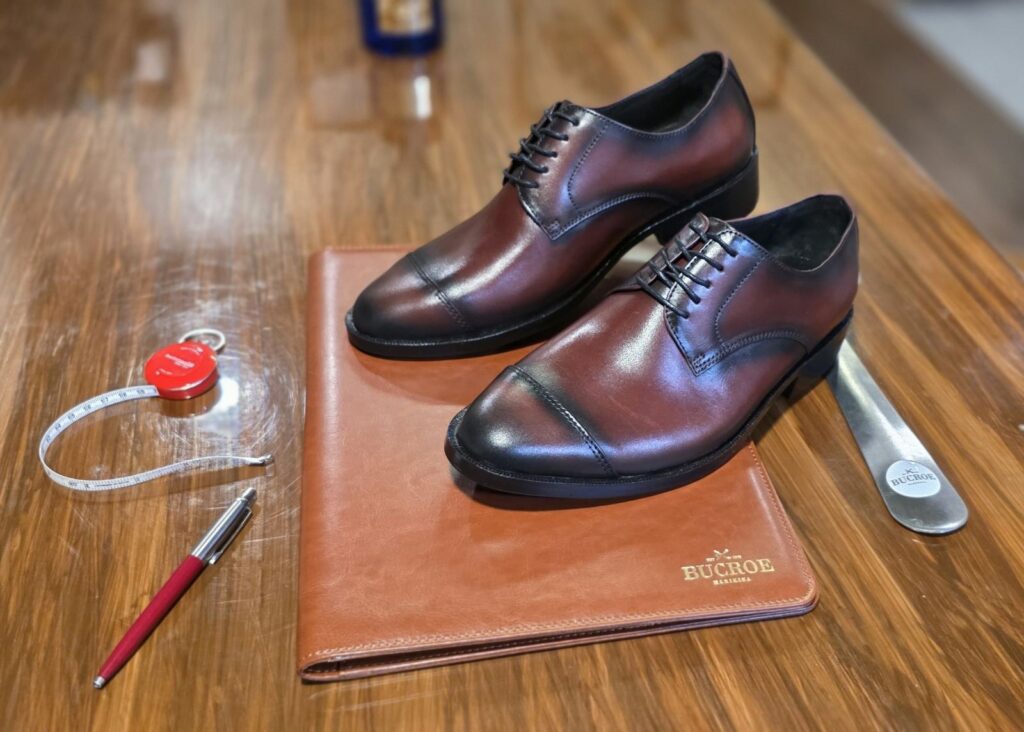
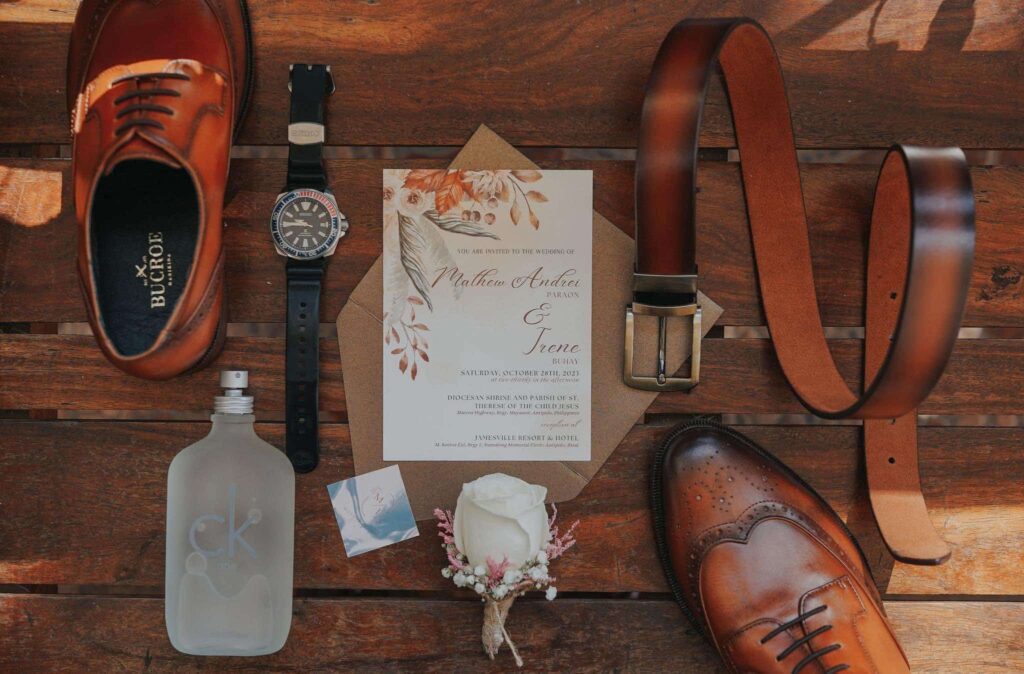
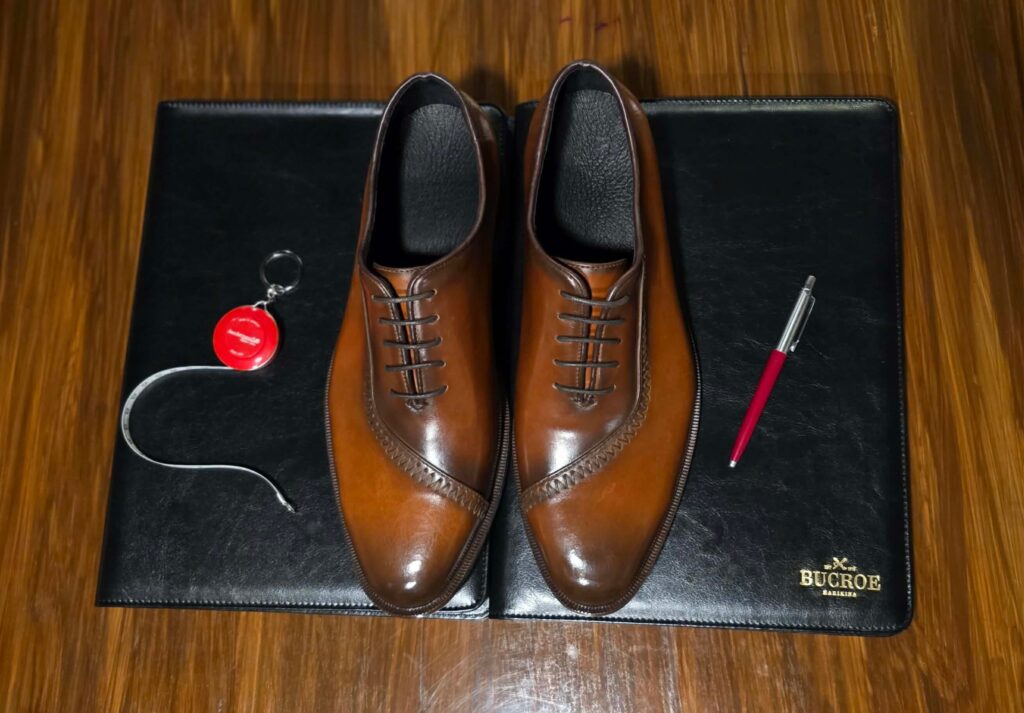
Full Brogue Wingtips and Black Cap Toe Oxfords showcase the house’s commitment to fit, comfort, and leather craftsmanship. Across the pairs photographed for Shoe Avenue, polished finishes, precise stitching, burnished leather, and traditional shapes put the material and workmanship front and center. Bucroe offers a compelling counterpoint to trend-driven footwear: old-school shoemaking polished for the present.
Charis
Charis starts not with a shoe, but with a weave. Each silhouette begins on a Filipino handloom before passing into the hands of Marikina shoemakers, placing local textile tradition directly at the center of the design.
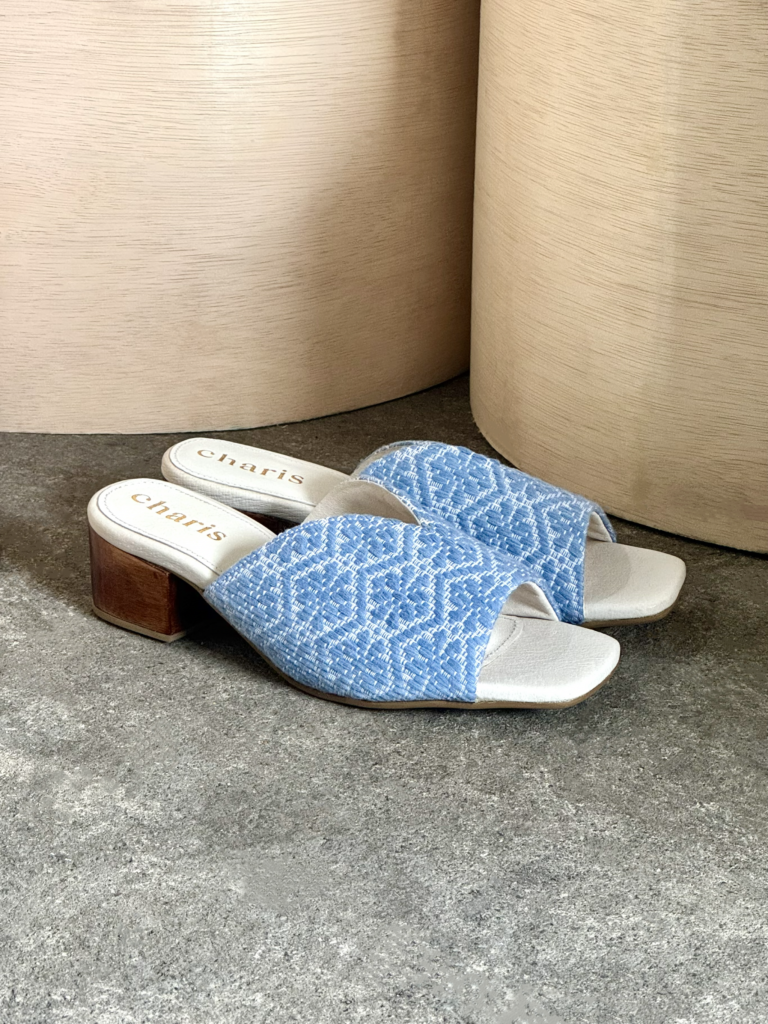
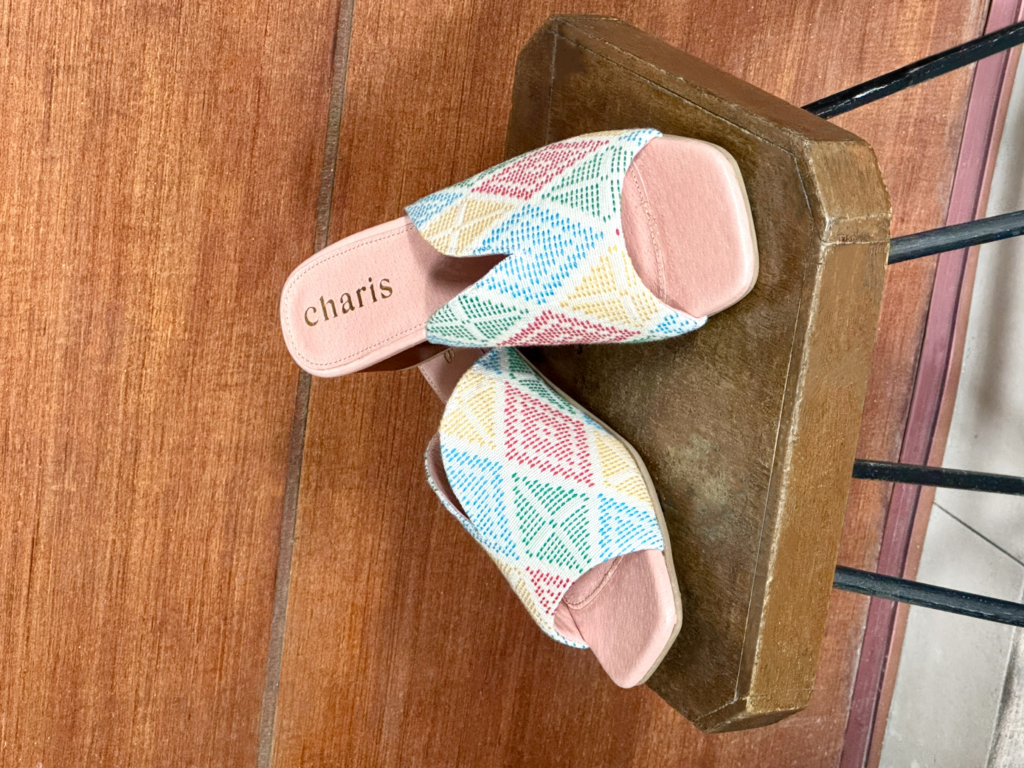
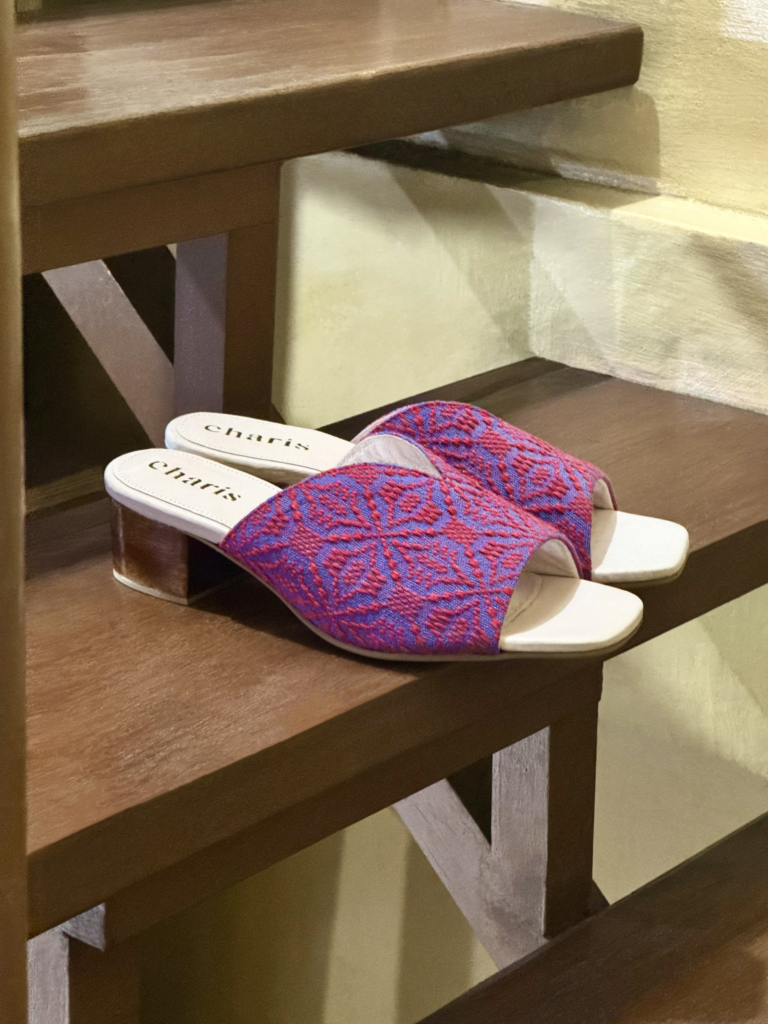
Its debut Hiraya mule pairs that signature weave with a clean center-V cut, while the photographed colorways show how much personality texture alone can provide. Powder blue, pink, purple, and multicolored woven uppers meet a restrained block-heeled silhouette. The craft isn’t an embellishment added at the end; the craft becomes the character.
Háyo
Launched in March 2025, Háyo approaches footwear through functionality, comfort, storytelling, and Filipino identity. Familiar experiences and everyday moments feed into the brand’s design language, resulting in pieces that feel relaxed without being anonymous.
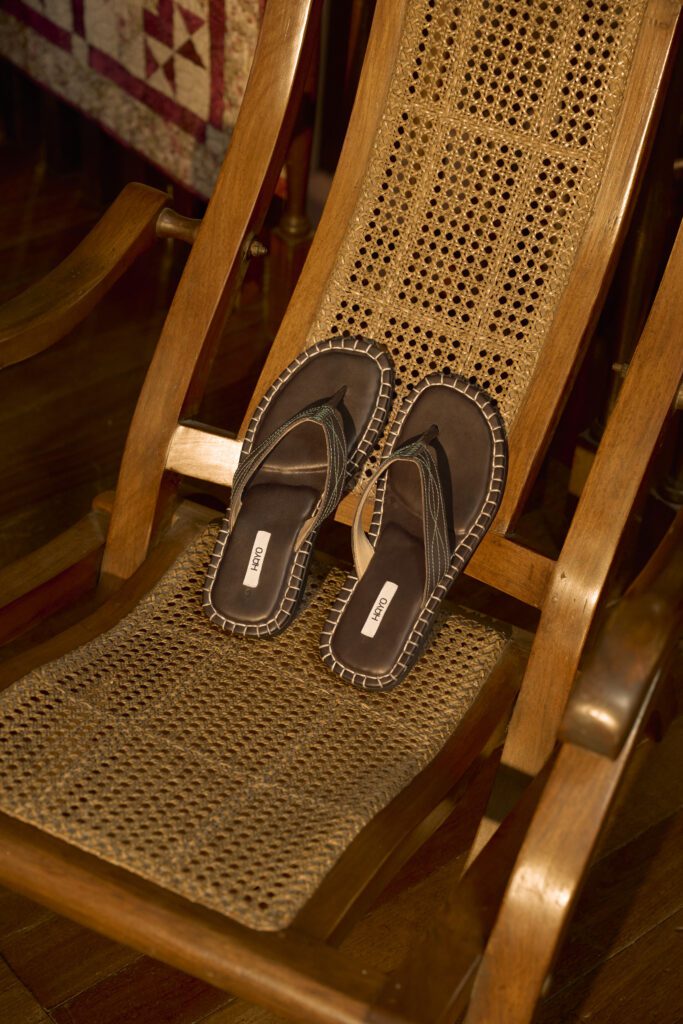
The sandals, for one, strip footwear down to an uncomplicated shape, then let the details speak: layered straps, earthy shades, substantial soles, and visible stitching. Handwork becomes part of the aesthetic rather than something carefully concealed, giving an everyday essential a laid-back, lived-in sense of craft.
Posh Pocket
Posh Pocket makes a case for keeping things low—heel height included. The brand specializes in foldable flats and ballerina shoes handcrafted by Marikina artisans, with its Prima ballerinas and Pointy Basic flats designed to move easily from one part of the day to another.
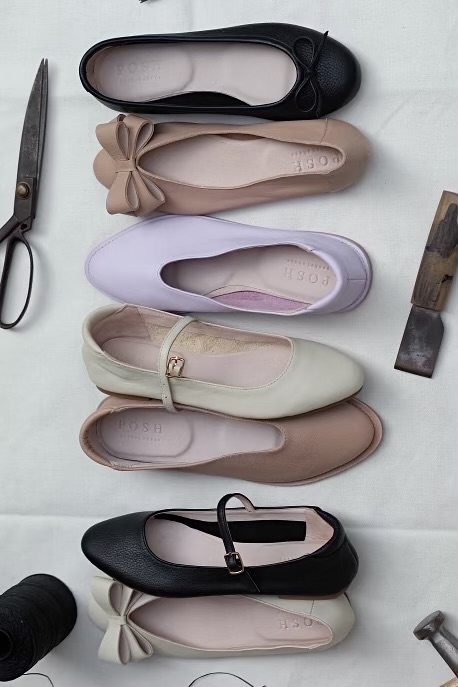
Its bows, straps, soft shades, and slim silhouettes also place it neatly within fashion’s renewed affection for ballet flats and Mary Janes. Matching mini pouches add another practical touch. Here, pretty meets portable, giving feminine footwear an everyday function beyond simply looking sweet.

Wumwum
Marikina craftsmanship isn’t reserved for grown-up wardrobes. Wumwum takes it down several sizes with toddler footwear designed around comfort, movement, and good design.
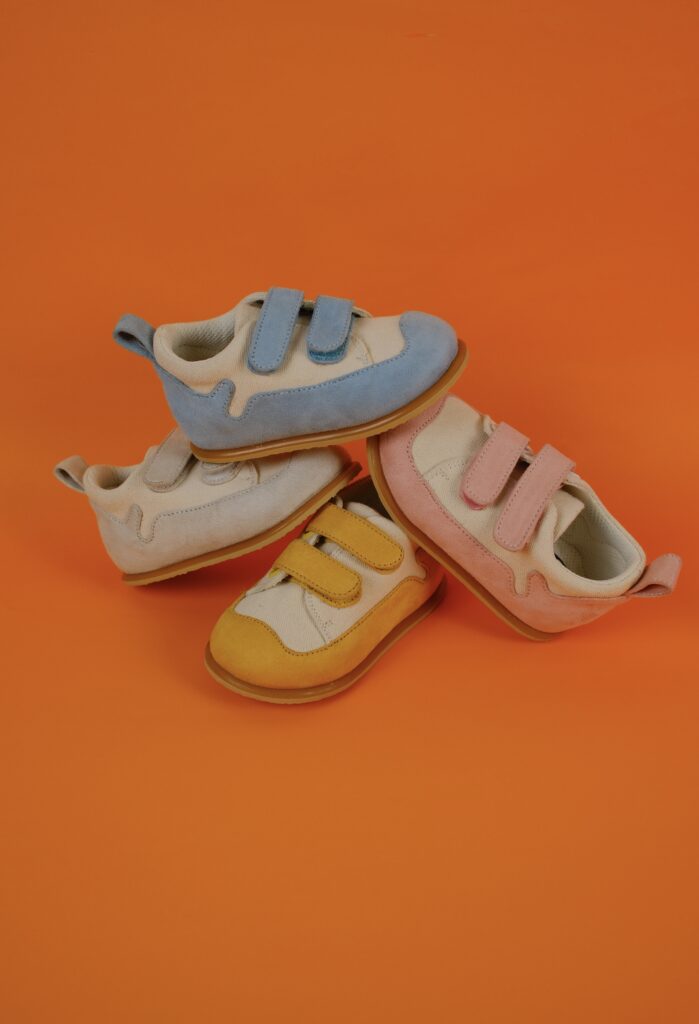
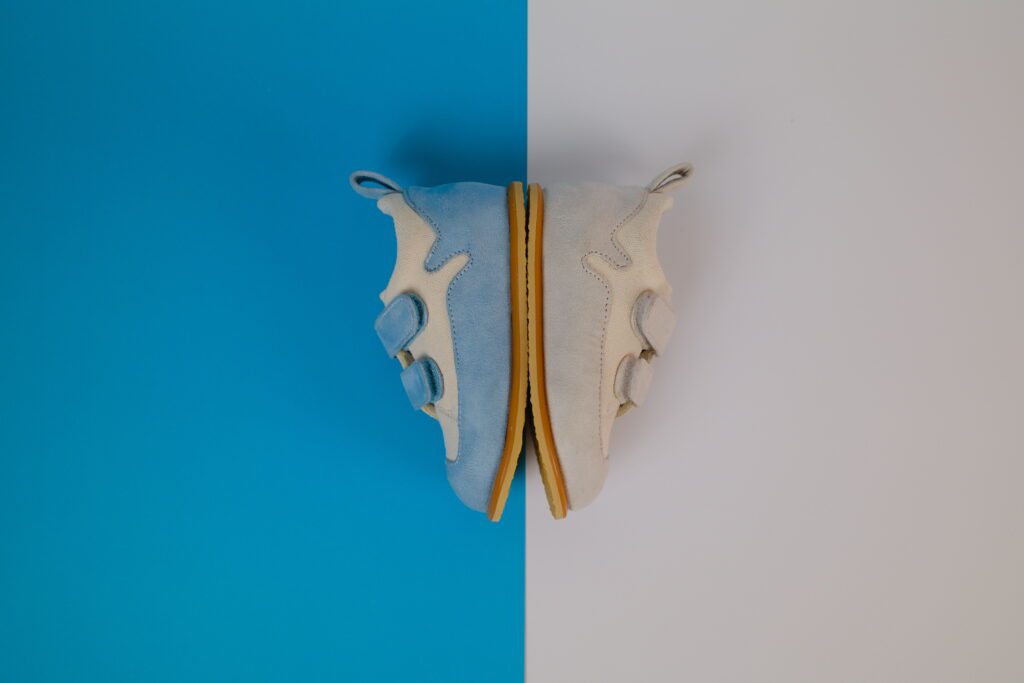
The debut Rascal sneaker features a roomy ergonomic fit, lightweight flexibility, simple two-strap fastening, and small-batch handcrafting. Cream bases paired with butter yellow, blue, pink, and other soft shades give the sneaker a playful retro streak. Wumwum makes a persuasive point in miniature: good craftsmanship can start from the very first steps.
Zapateria
Zapateria anchors Shoe Avenue with five generations of shoemaking heritage from the Sta. Ana family, whose roots in the craft date to 1887. As a co-creation studio, it also develops pieces through mentorships, partnerships, and collaborations, positioning shoemaking as a living practice rather than a relic.
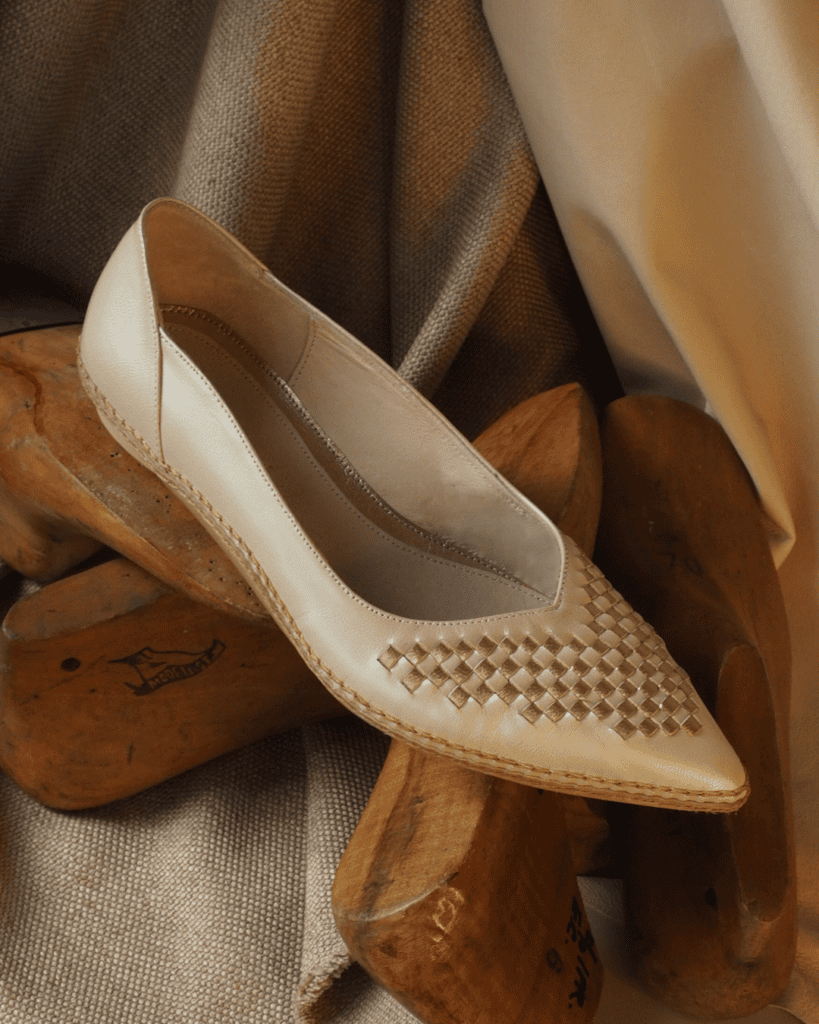
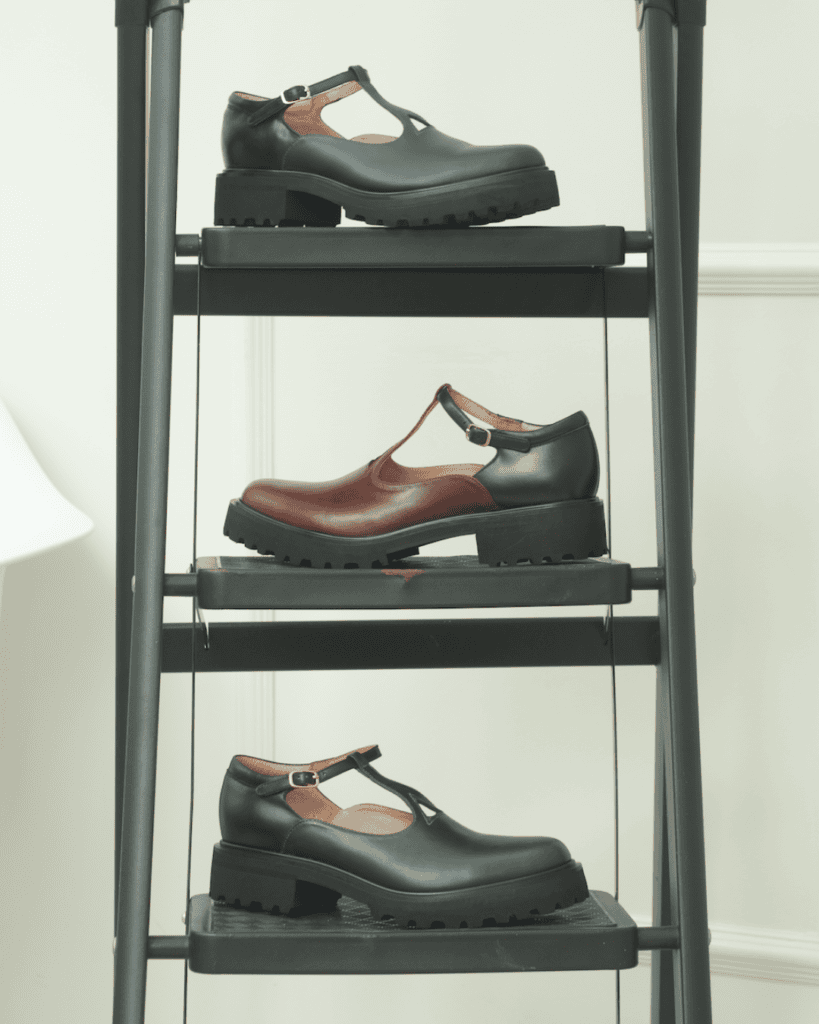
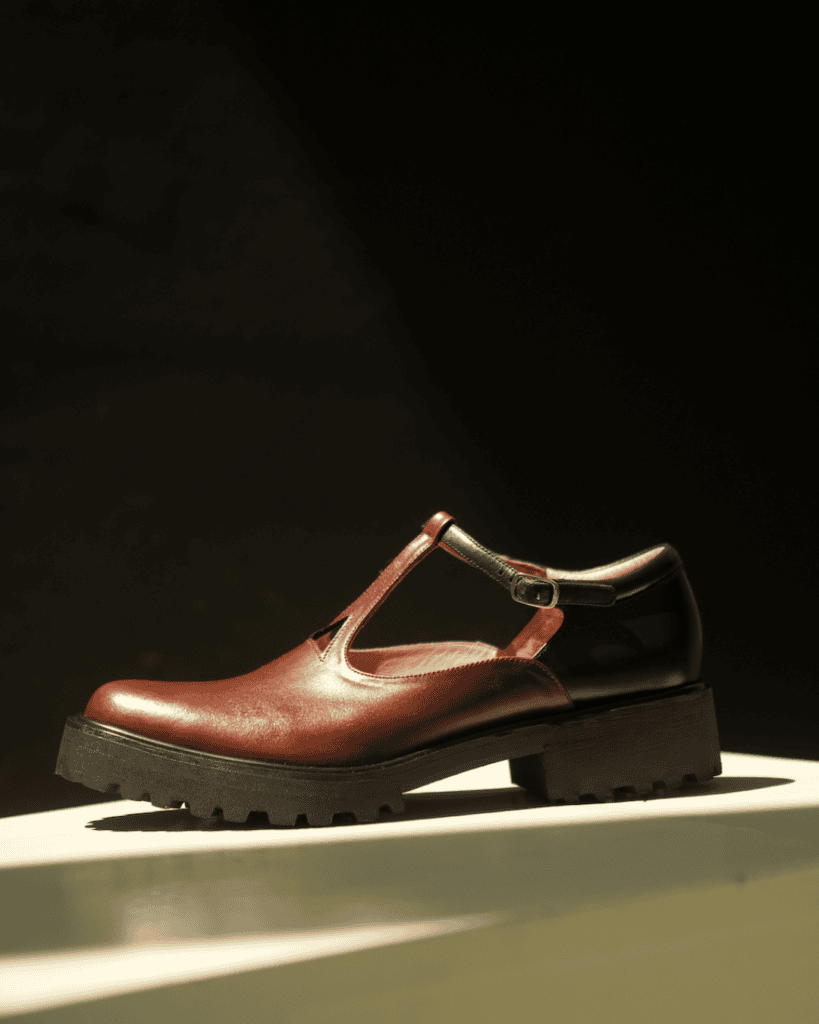
The contrast between its designs captures the possibilities. Leonor brings intricate woven work to a pointed, polished silhouette, while Odette goes heavier with T-straps, rich leather, and a chunky lug sole. Traditional techniques and contemporary proportions comfortably occupy the same space—an apt expression of what Shoe Avenue itself hopes to accomplish.
Taken together, the eight brands reveal something more interesting than one shoe trend. Marikina is looking back without stepping backward. Leatherwork, weaving, stitching, bespoke construction, and hands-on making remain part of the vocabulary, while retro silhouettes, statement textures, playful colors, and practical shapes keep changing the conversation.
Shoe Avenue gives those different directions a shared address. Now open at Spatio on the second floor of Opus Mall, Bridgetowne Destination Estate, Quezon City, the concept puts generations of shoemaking beside the designers pushing the craft forward.
Marikina’s shoemaking story, after all, was never only about where a pair was made. The more compelling question now is where Filipino footwear goes next.
Related story: 12 Filipino fashion brands are taking their designs—and business ambitions—to Milan
Related story: Homegrown highlights: 10 beauty brands founded by Filipinas