
The rise of the “Millennial Manghuhula” reflects a generation searching for meaning, magic, and reassurance.
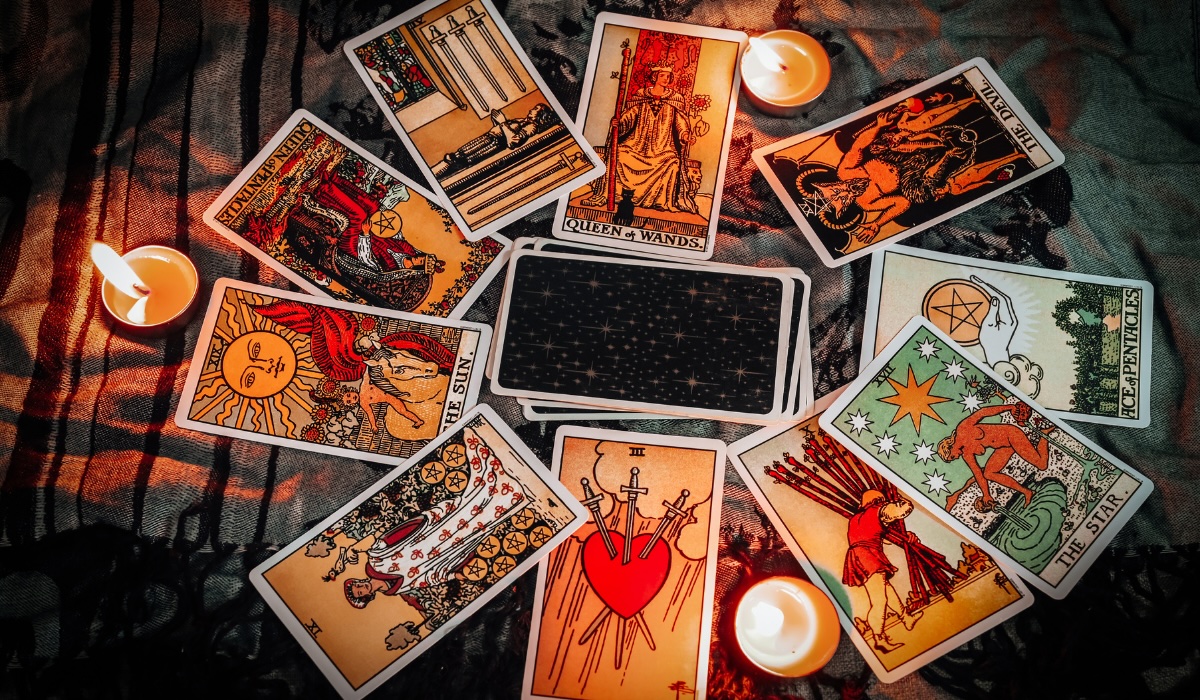
“Stop scrolling. This message was meant for you,” says a calm voice on your mobile screen as you were just about to swipe away.
You recognize the hand shuffling of beautiful cards, and you pause, eager to hear what the universe might have to say about your future, or the present, or maybe some issue at the back of your mind. The video itself, perhaps lasting less than a minute, is filled with familiar-yet-mysterious imagery.
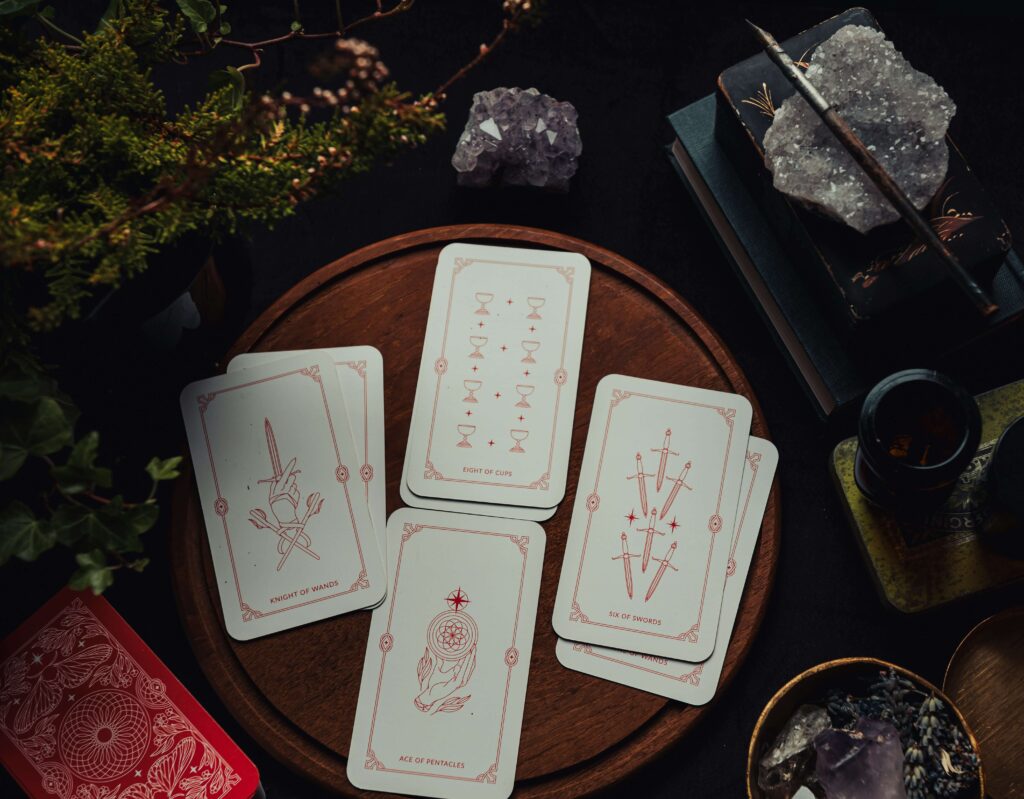
As the jargon goes, “it resonates.” It gives you a few seconds of hope and magic in an otherwise chaotic day. This is the world of tarot online, where spirituality meets creativity, and divine messages can be accessed by a simple like-and-follow.
You’ve seen people swearing by digital tarot readings, quick messages and forecasts in your mobile feeds. But now, something else compels you to go deeper. Would it be crazy if you finally paid for a personal, private tarot read? Does it have to even be in person? Is it even worth it? How does it work?
All these are perfectly valid questions. And perhaps in a true tarot-reader fashion, I shall answer by telling you a tale of a journey.
Related story: Spellbound: Inside the Museum of Witchcraft and Magic
Related story: Did millennials follow their dreams after all?
Related story: Notes from the Gen X–millennial border
Related story: 5 digital apps and diaries for women’s wellness in 2026
Why are we drawn to tarot?
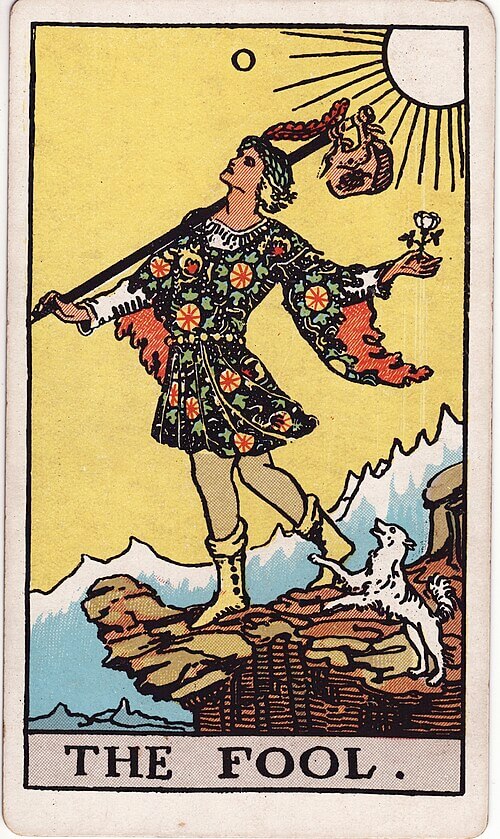
In a nutshell, tarot is a 78-card deck used for divination with each card containing specific meanings, imagery and interpretations. It tells the story of “The Fool’s Journey,” that is to say how we as humans (the romantic fools) go through life beginning with innocence, and go through a series of trials, blessings and encounters; the end being the growth and evolution of our soul’s purpose.
Whether by curiosity, or by an actual desire for answers, we are naturally drawn to the world of tarot in the same way the Ancient Greeks were drawn to the Oracle of Delphi; how pre-colonial Filipinos turned to the Babaylan to mediate messages from spirits; how ancient Israelites consulted prophets to hear direct messages from God. It’s a desire to contact some form of the otherworldly and often higher intelligence. So, you are not crazy for wanting a glimpse into the unknown; that primal desire is older than religions we know today.
Tarot is one of many tools of divination, which is an esoteric art of mediating and deciphering messages from the spirit world by way of tools, or systems. Under the broad scope of divination, methods like cartomancy, astrology and scrying can fall under this category.
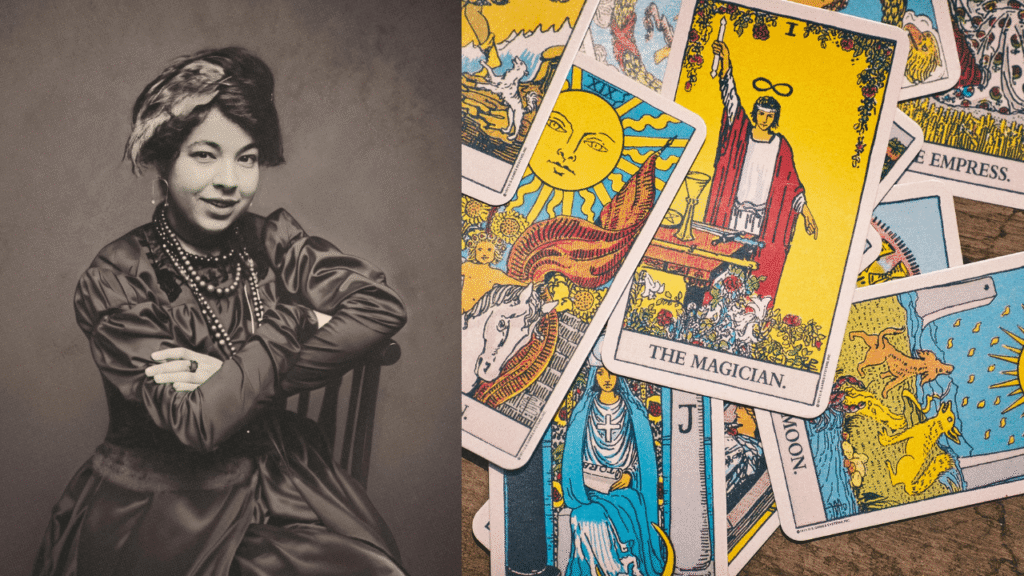
Why is tarot the most popular in this modern era? There are a myriad of reasons, but most notable is its practical nature: a deck of cards is a lot easier to carry and disguise, as opposed to large mirrors, or astronomy devices back in the day. But also, one could argue that tarot has survived and thrived despite most religions condemning fortune-telling and card games for years, because of its evolution with the times.
From its history as a humble card game in Renaissance Italy, to its legendary association to Egyptians and traveling gypsies, then to the modernization (and standardization) of its images by occultist Arthur Edward Waite and illustrator Pamela Colman Smith in the 1900’s, the tarot deck has flowed through time and civilizations, accumulating its lore and imagery along the way. The famous Rider-Waite-Smith tarot deck in particular, made by the aforementioned occult author and illustrator, serves as the “standard” tarot deck today, combining concepts of astrology, Jewish Mysticism, and Christian mysteries, somehow also drawing from similar concepts in Jungian archetypes. It is this iconic deck which most modern artists base their images from; so that no matter the creative variation, the general message of the card remains the same.
With so many mystical systems, and even psychology applied into its practice, no wonder that the modern tarot deck is the most flexible, most popular system of divination in the English-speaking world. Now, thanks also to the advent of the internet and content-platforms, tarot has become the most accessible divination system, with a significant user-base in Gen-Z and Millennials worldwide. In the Philippines, the “Millennial Manghuhula” is now a jargon for local readers.
Online vs. in-person readings
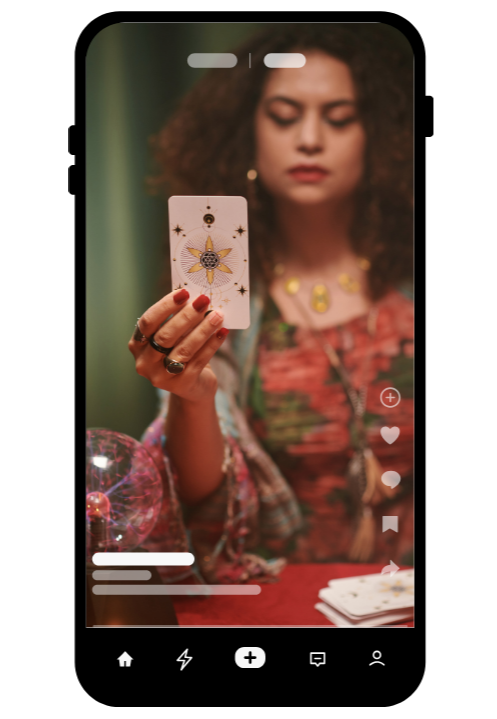
The exact number of tarot readers in the Philippines remains unstudied. But we do know that in online groups like Facebook, as much as 10,000 members are engaged in a digital tarot community. Arguably, we are now living a golden era of tarot reading, with hundreds of readers now openly advertising their services. Furthermore, with the power of online videos and calls, readings can now be done in a click of a button.
Here’s the beauty of tarot reading in the digital era: it hardly matters whether you consult your tarot reader online or in-person. Online readings can be just as effective; what really matters is that you conduct a private, one-to-one session with a reader you trust.

Collective tarot messages posted on social media, where you have one reader addressing her general viewership, are a digital innovation in our time. It is a wonderful progress of the practice; but ultimately, effective and most helpful reads are done in the private, one-to-one sessions with your reader—as it has always been.
I suppose in essence, choosing your personal tarot reader is a lot like finding a personal therapist. There are so many perfectly good therapists out there, with their collective messages promoting mental health; but you pay, and book the one you feel you have the most chemistry with. Why that is can be practical matters, like ‘Can I afford this reader’s fee?’ But it can also be preferential, ‘Have I resonated with this reader’s online general messages before? Do I feel comfortable enough with the reader’s tone and approach?’
These concerns are rightfully your own vetting process to choosing a trusted reader; and in my experience, you should gauge your compatibility with a tarot reader, as this can affect the messages deduced from the cards. Because for all its mythology and purported spiritual abilities, the tarot reader is still human, a Fool like yourself, in a shared adventure of life.
At this point in our journey, we’ve talked about the tarot cards’ evolution throughout the centuries, but what hasn’t been said much yet is how the identity and role of a reader (our modern oracles, if you will) has also shifted. Over the years, tarot readers have been called many things: “fortune teller,” “charlatans,” “entertainers,” “spiritual confidants,” and more. They’ve assumed many roles, and today they are also content creators, influencers offering alternative spiritual guidance to a global audience; and guidance to move forward is what you should ultimately strive for to make tarot work for you.
After all, this is your journey as the Fool in your own path, and to not move forward is a violation of the cards’ legacy.
Related story: Gen Z grew up online—now we’re tired of being perceived
Related story: AI relationships: Yay or nay?