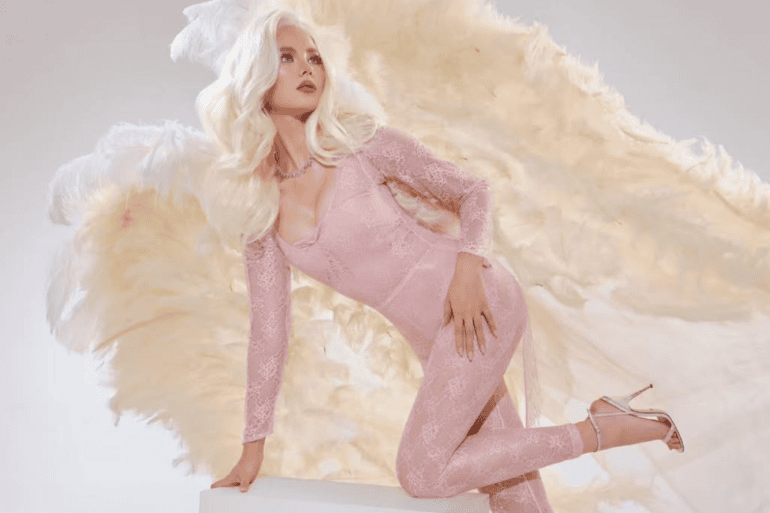
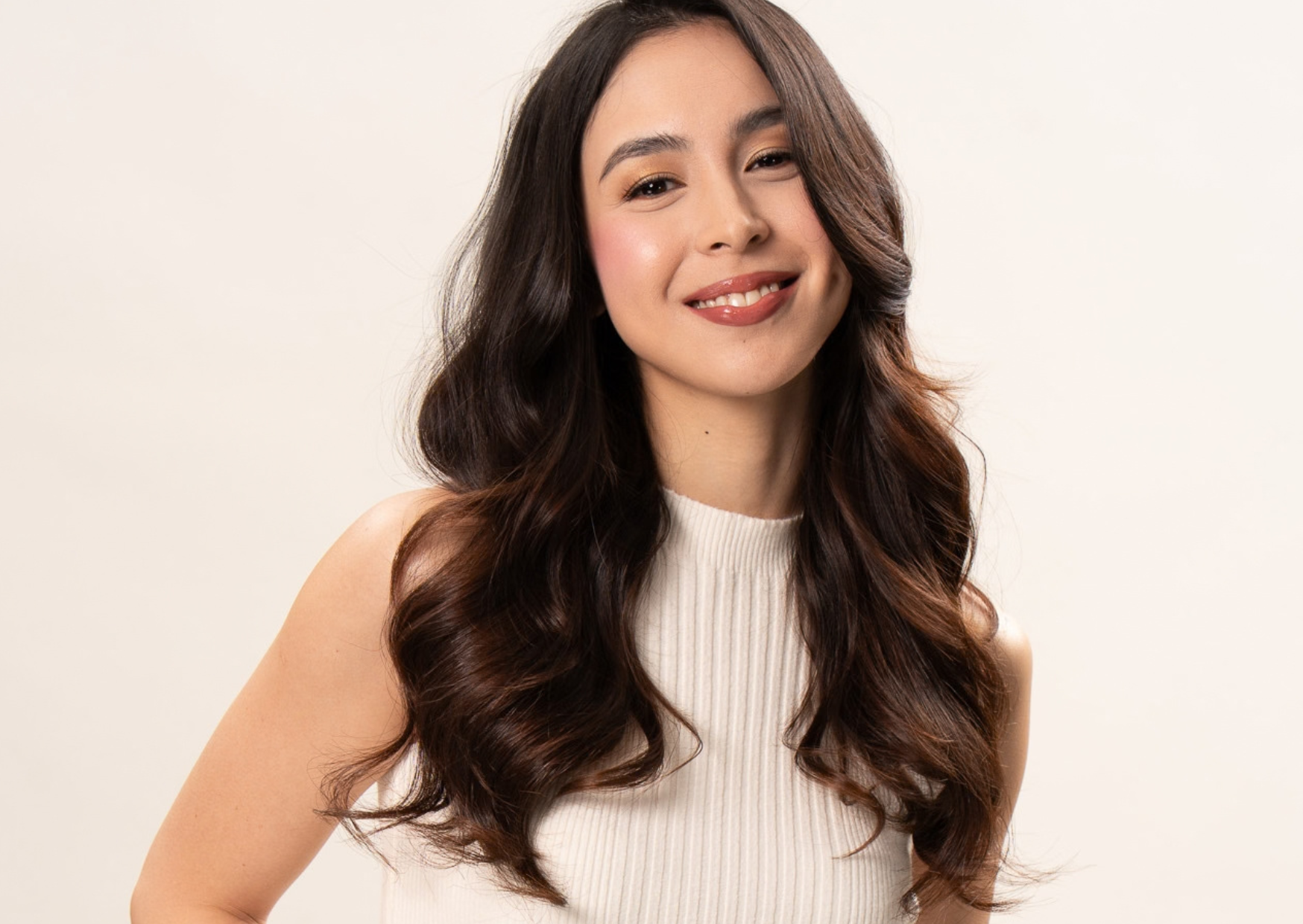

After growing up in public, the actress is entering a new chapter with a clearer sense of what she wants to protect, what she is willing to let go, and the life she wants to build for herself.
Julia Barretto has spent most of her life in the public eye. Now 29, she carries one of Philippine entertainment’s most recognizable surnames—a young actress trying to establish an identity outside of being one half of JoshLia, and eventually a leading lady whose career has grown alongside her personal life. There have been different roles, relationships, and versions of Julia that audiences have watched, interpreted, and sometimes decided they knew before she had the chance to explain herself.
Related story: Another proud moment for Filipino talent at Manila Film Festival 2026 in Los Angeles
Related story: Lessons in courage: What abuse survivors, journalists can learn from Liza Soberano’s interview
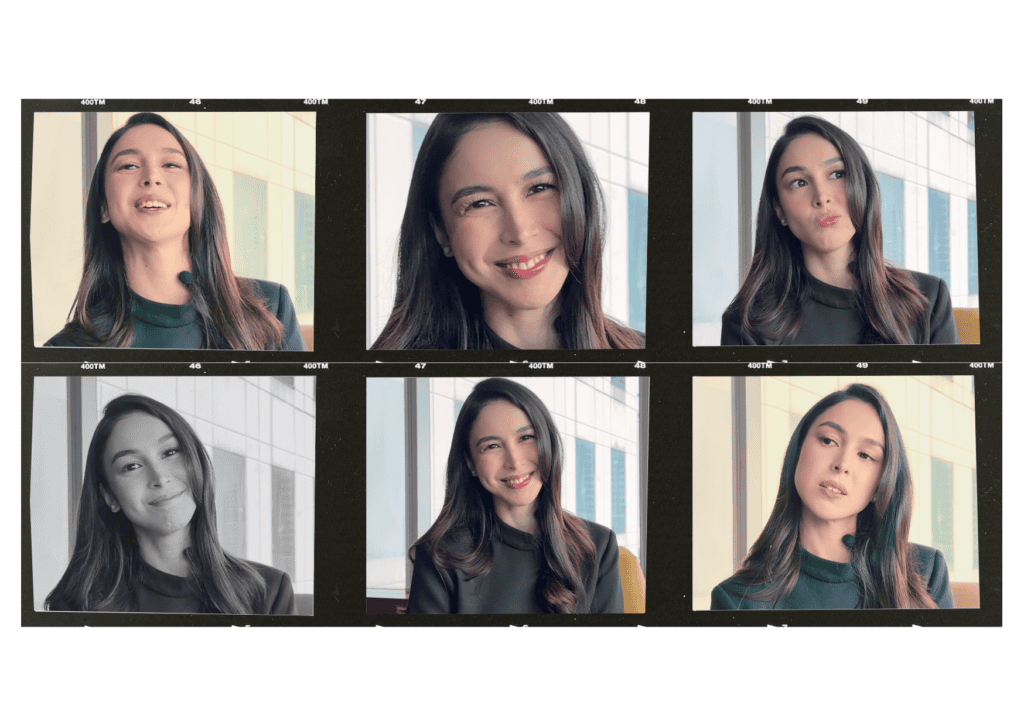
She began acting as a child and eventually stepped into her first major lead role in Mirabella. In an interview earlier this year, Julia described the series as her “baptism of fire” and spoke about entering an industry where being a Barretto brought attention but did not necessarily make the work easier. There was already a legacy attached to the name, but there was also the pressure of figuring out what her own place within the industry could look like.
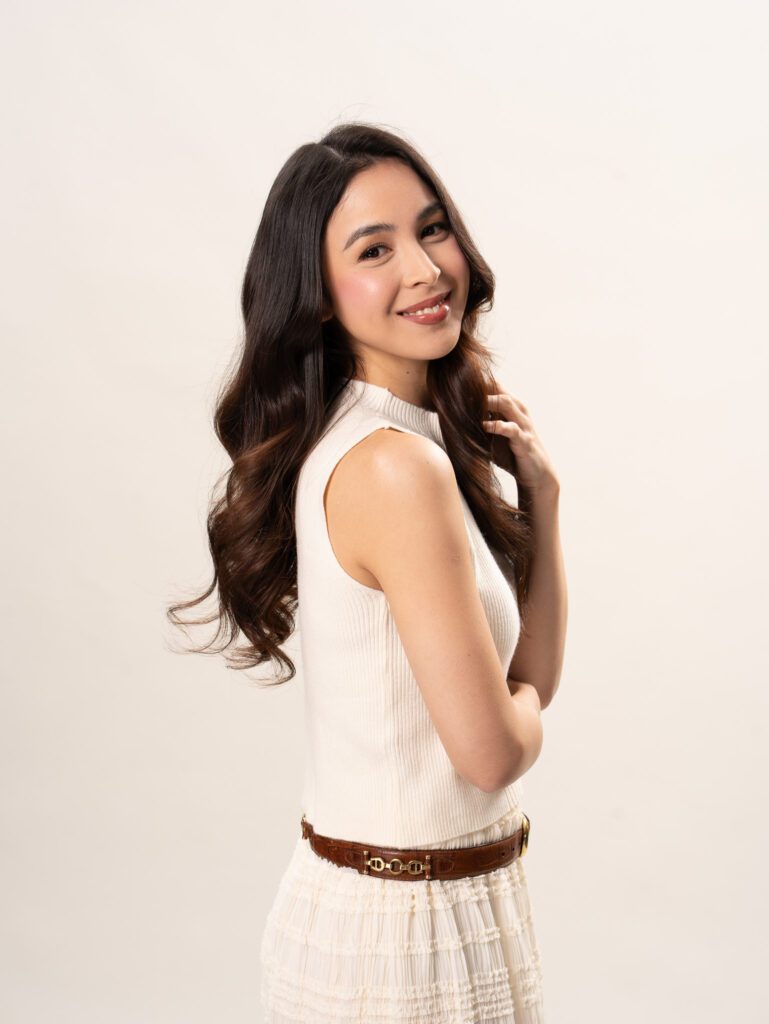
That identity became clearer as her career grew. Her pairing with Joshua Garcia, which audiences would come to know as JoshLia, gave her some of the most recognizable films of her early adulthood, including Vince & Kath & James and Love You to the Stars and Back. The partnership became one of the defining love teams of their generation, but Julia’s filmography eventually began stretching beyond it. She took on more mature roles in Between Maybes and Expensive Candy, starred opposite Aga Muhlach in Ikaw Pa Rin ang Pipiliin Ko, and later reunited with Joshua in 2024 for Un/Happy For You.
The years in between brought their own changes. Some chapters became a bit quiet, others ended, and parts of Julia’s life that had once been intensely public began to feel increasingly private. Professionally, she also began choosing differently. By 2026, she was independently managed and speaking more openly about becoming selective with the work she accepted. After Un/Happy For You, she said she turned down several projects because she wanted her next one to feel intentional, fresh, and fulfilling rather than simply moving immediately to whatever came next.
It is perhaps why Always Yours, Never Mine arrives at an interesting point in her life.
The Star Cinema film reunites her with Joshua Garcia and follows Luna and Apollo across different stages of their lives, repeatedly bringing them back together after time has changed the people they once knew. It is a story built around timing, choice, and the uneasy reality that loving someone does not stop either person from becoming somebody new.
When Julia talks about the film, however, the idea of choice quickly becomes larger than romance. Asked what makes a love worth choosing when people and relationships inevitably change, she begins with the acceptance that change is already part of the deal. “I think to begin with, you should have that mentality that if you’re in a relationship, people are meant to change and to grow and there will be different seasons in everybody’s lives. And I feel like love should be unconditional,” she told The POST.
She is quick to add that unconditional love does not mean accepting every possible version of change. “But of course, that could be a longer discussion because what kind of change, right? But it is a choice to continuously love somebody as they’re growing and as they’re evolving, especially if they’re evolving for the better, if they’re growing for the better. I mean, that’s something that’s worthy of being chosen.”
There is a maturity to the way she talks about it. Love, in Julia’s telling, is neither static nor entirely romantic. It requires accepting that the person you met may not always be the person standing in front of you years later. She believes two people can still find each other again after becoming different versions of themselves. “It can be possible. I think timing is everything,” she said.
Perhaps the more revealing line comes almost in passing: “Everything is a choice, I think.”
Asked what she feels she has most deliberately chosen for herself, Julia does not talk about movies or celebrity. She talks about independence, something she says her mother, Marjorie Barretto, taught her long before adulthood required it. “I think from a very young age, it’s choosing to be independent and choosing to be responsible. I think that’s one of the things that I’m grateful for with my mom, with the way that she trained us growing up. You should be responsible enough that you can depend on yourself to get things done.”
It meant learning early that the people who entered her life could support her without becoming the reason she knew how to function. “That whoever comes into our lives will just be and can be of help. Not that without anyone, then we wouldn’t know what to do with our lives,” she says. Even the ordinary mechanics of adulthood mattered to her, like bills, responsibilities, maintaining a home, knowing how things worked rather than waiting for someone else to handle them. “I think choosing to be independent as a person, as an individual, is actually really life-changing.”
Julia moved out when she was 22, but independence did not mean being abandoned to figure adulthood out alone. Her mother made the distinction clear. Help was available, but Julia first had to know how to help herself. “I’m really grateful that I started at such a young age living on my own. I moved out when I was 22,” she says. Her mother’s instruction, as Julia remembers it, was simple: “I’m gonna be here to help you, but you know you’re gonna have to figure this out on your own first.”
Seven years later, that independence seems to have become emotional as much as practical.
Julia has grown up with strangers forming opinions about her family, career, relationships, and choices. At different points, the public has encountered Julia as a Barretto, a love-team partner, a girlfriend, an actress, or simply a young woman whose private life happened to generate public conversation. But at 29, she appears much less interested in managing every interpretation of who she is.
“These are things that I feel like I’m okay with that I myself only know,” she says when asked whether there is a version of herself the public still sees even though she has already outgrown it. “And if you stay true and authentic, I think people will eventually see that in the way that you are with your work, in the way that you are with people.”
She does not pretend that this misunderstanding has disappeared. “I don’t know how people see me today, still see me today. But for sure I’m still misunderstood by a lot.” What has changed is her relationship with that misunderstanding. She no longer seems to see correcting it as an obligation. “I’m just not anymore in the phase where I’m trying to get every single person to try and understand me. I think I’m pretty content and secure in myself.”
Related story: The Philippines is picking its first Eurovision Asia act—and these 10 songs want the spot
Related story: Kathryn Bernardo joins the Filipino stars you can see at Madame Tussauds Hong Kong
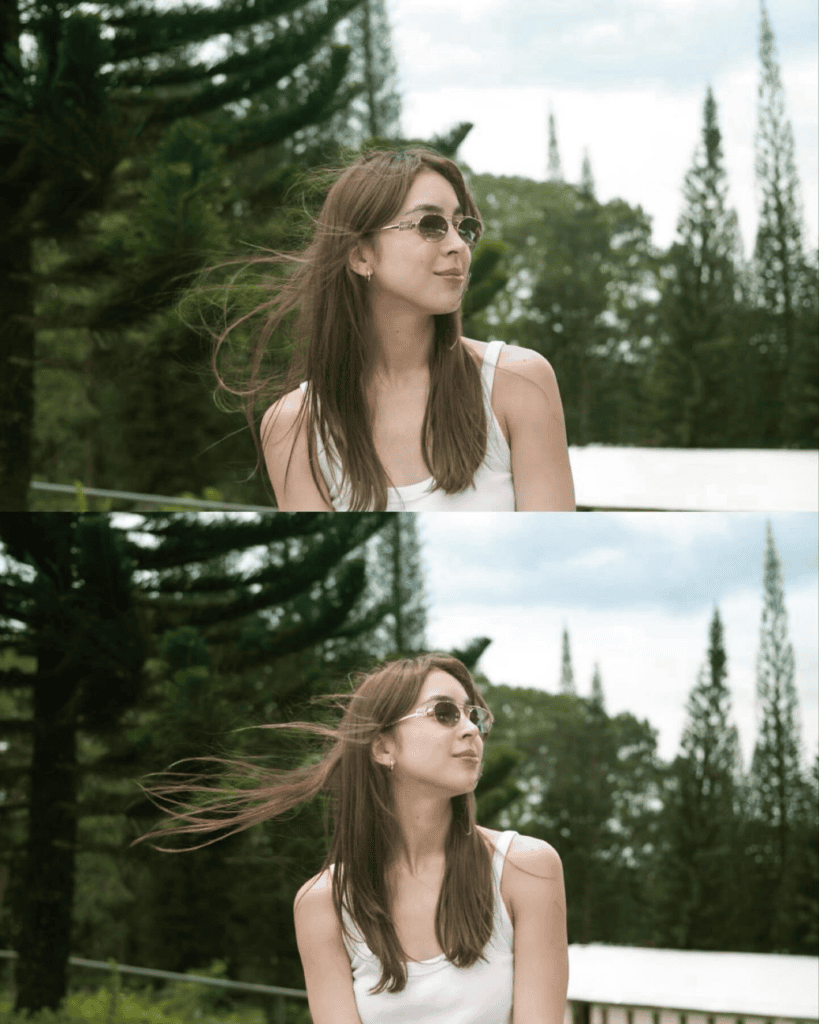
That security has also made her more conscious of boundaries, something she admits she did not always protect. “I’m so protective these days of my boundaries as a person,” she says. “I think this is something that I’ve always adjusted or forgot about to make other people comfortable or make other people feel good about themselves. And I didn’t realize how much of me I was losing because of that.”

There is a difference between kindness and constantly shrinking yourself to keep another person comfortable, and Julia seems to be learning where that line sits for her. She says she is trying to become “more outspoken and protective and consistent” with her boundaries, while leaving behind the tendency to automatically agree or suppress what she actually feels out of fear that honesty might hurt somebody else.
It is one of the places where Luna, rather unexpectedly, becomes instructive to the actress playing her. Julia describes her character as someone clear about what she feels and willing to stand by it even when another person finds that truth difficult to accept. “I think Luna is always very clear about her truth. And I think she’s just getting hurt because of the way it’s being received by the other end. Because it’s probably hurting someone, her truth.”
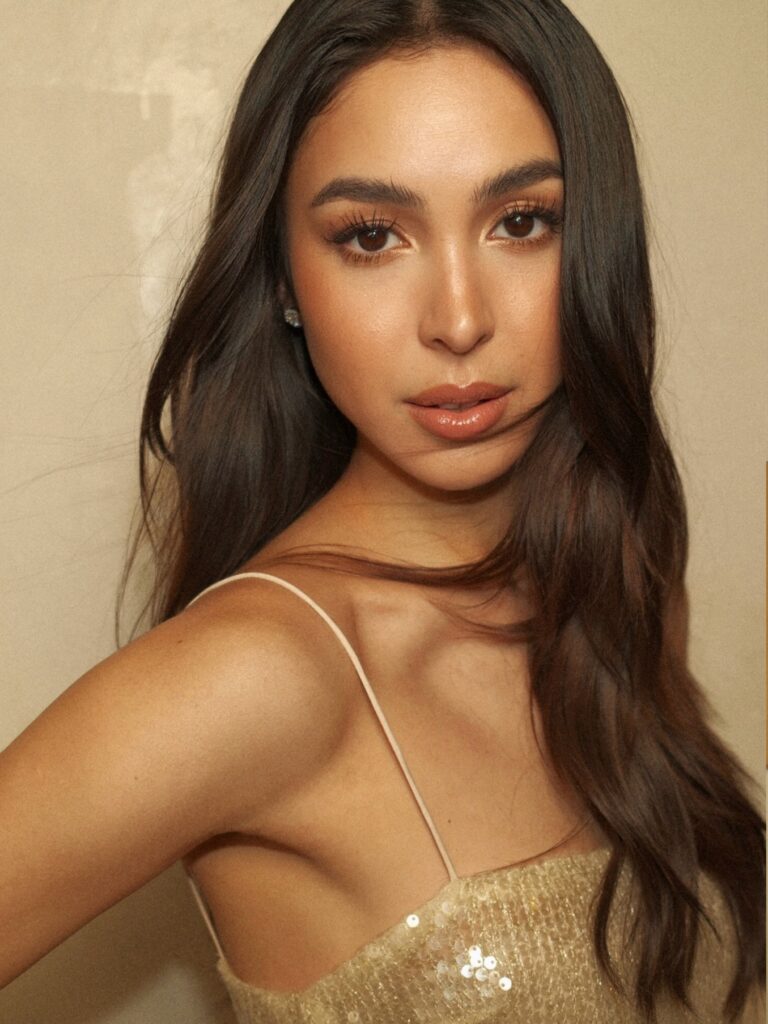
Julia says Luna does not intend to hurt anyone. She simply refuses to pretend that she feels something she does not. “And the thing with her is she’s going to be consistent with what she thinks is right despite somebody else not being comfortable with that decision,” she says. “But I think what’s important is that she’s being truthful (rather) than pretending and someone else is getting hurt along the way.”
For someone who has spent much of her career being watched through the lens of other people, there is something significant about Julia arriving at this particular realization now. Her twenties have contained careers beginning and changing, relationships becoming public and eventually becoming something else, familiar collaborators leaving and returning, and a growing understanding that not everything once important to you has to follow you forever.
Always Yours, Never Mine asks whether two people can keep choosing each other as time changes them. Julia’s own answers suggest another question underneath it: what happens when growing older teaches you to choose yourself with the same intention?
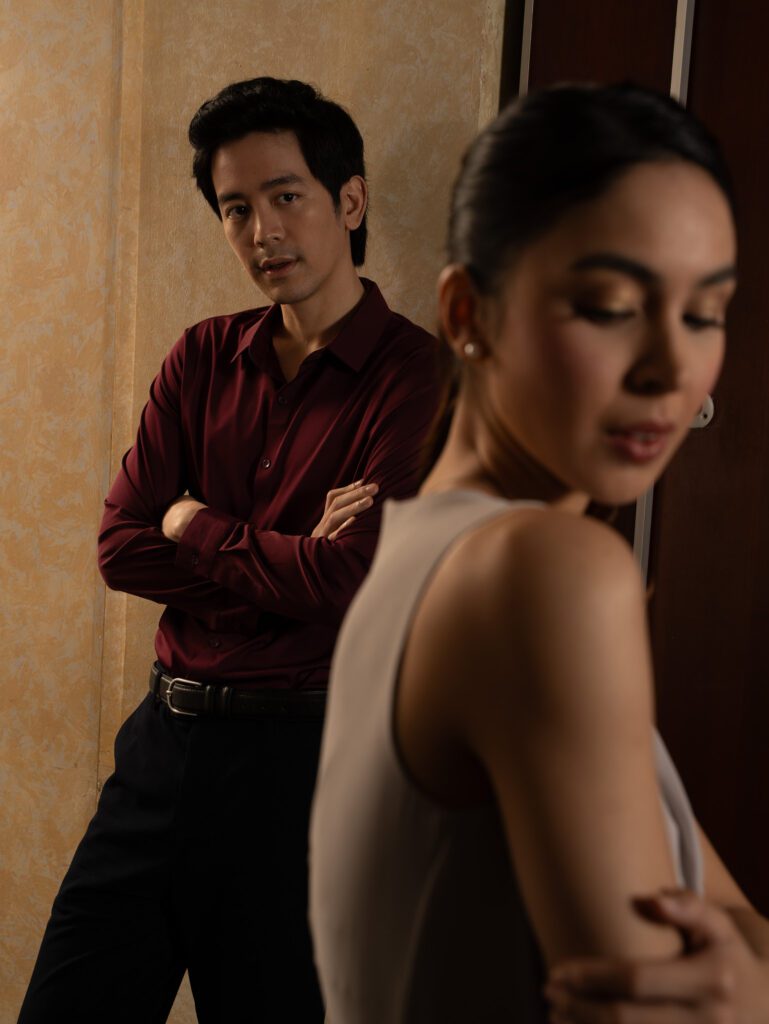
She is not describing some sweeping reinvention. If anything, Julia seems less interested in announcing a new version of herself than in protecting the one she has taken years to understand. She can accept that people may still misunderstand her. She can allow relationships and careers to evolve. She can value independence while still welcoming help. She can tell the truth without believing she has to make that truth comfortable for everyone around her.
When asked what she would hope her 39-year-old self could tell her about the decade ahead, she does not mention another box-office hit, a relationship, or any particular milestone. Her answer is much simpler. “That you’re just entering the best years of your life.”
For Julia, perhaps the next chapter is not about knowing exactly what stays, but about finally trusting herself enough to decide.
Related story: Lani Misalucha revisits ‘Bukas Na Lang Kita Mamahalin’ with a remastered version
Related story: Cinema ’76 is closing after nearly 11 years—here’s where cinephiles can go next