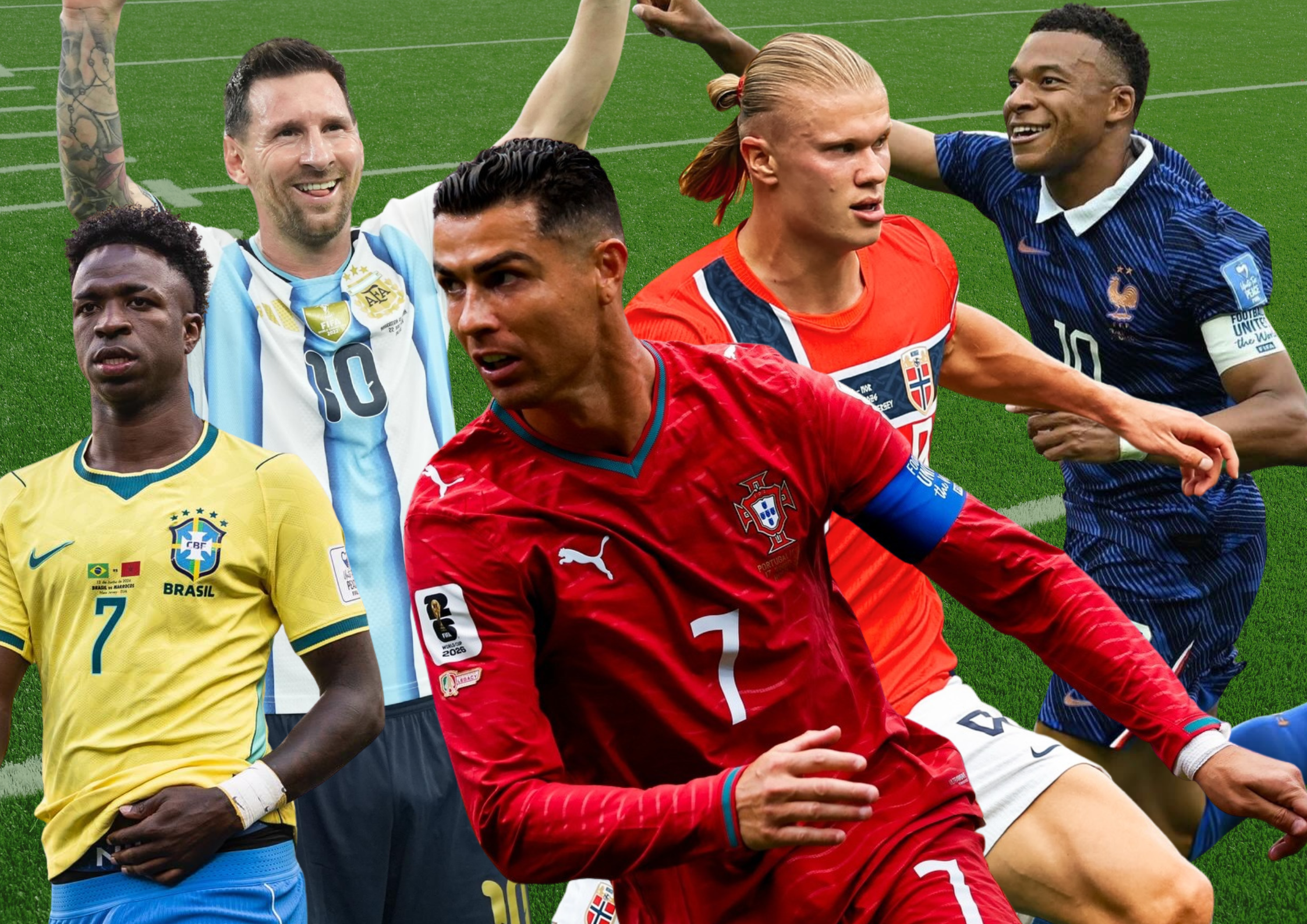

The biggest names in football are earning far beyond their club salaries, with money coming from endorsements, investments, and businesses built off the pitch.
Football’s biggest stars aren’t just competing for trophies anymore. They have become multinational brands, signing blockbuster contracts, fronting global advertising campaigns, investing in businesses, and launching ventures that generate millions long after the final whistle. According to Forbes, the highest-paid players competing at the 2026 FIFA World Cup earned a combined US$950 million over the past year, with income coming from club salaries, bonuses, licensing deals, endorsements, and personal businesses.
Related story: Before the first whistle: The chants, jerseys, and storylines defining FIFA World Cup 2026
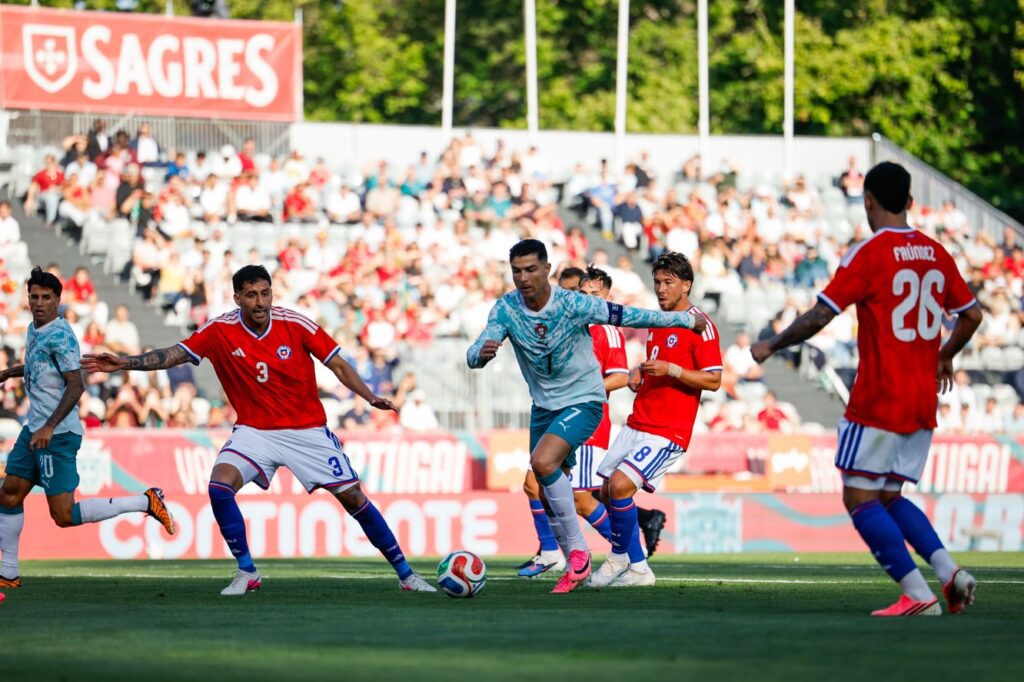
Leading the list are two names that have defined football for nearly two decades: Cristiano Ronaldo and Lionel Messi. Their success is even more remarkable considering where they started. Ronaldo grew up in a working-class family on the Portuguese island of Madeira, where money was often tight. Messi, meanwhile, was raised in Rosario, Argentina, and nearly saw his football dream cut short when his family struggled to afford treatment for the growth hormone deficiency he was diagnosed with as a child.
Today, both are billionaires whose influence extends well beyond football, proving that the modern game’s biggest stars are as valuable in boardrooms as they are inside stadiums.
Here’s a closer look at the five highest-paid football players in the world in 2026
5. Vinícius Jr.
Estimated earnings: US$60 million
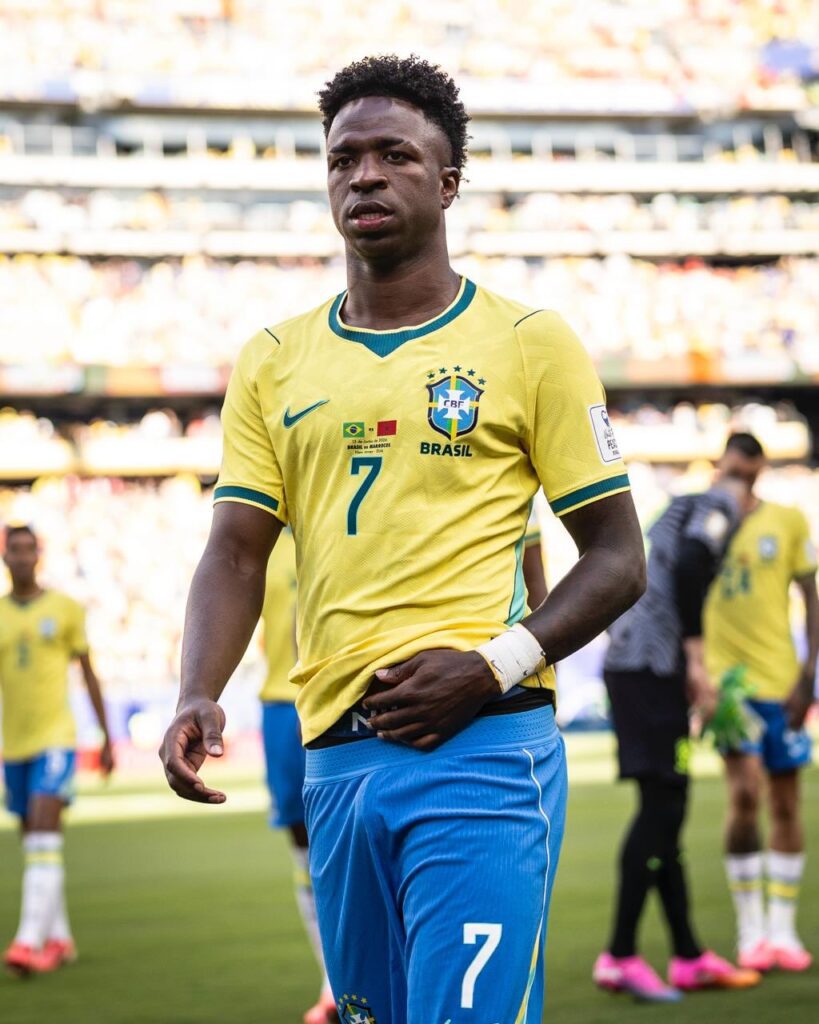
At just 25, Vinícius Jr. has become one of Real Madrid’s most important players and one of Brazil’s biggest sporting exports. Since arriving from Flamengo as a teenager, he has helped the Spanish giants win multiple La Liga and UEFA Champions League titles while establishing himself as one of football’s most exciting wingers.
Forbes estimates the Brazilian earned US$40 million on the field and another US$20 million through endorsements over the past year. His growing popularity has attracted global partnerships with brands like Nike, while his influence continues to expand across Europe, Latin America, and Asia. Still entering the prime of his career, Vinícius is widely expected to become one of football’s biggest commercial stars over the next decade.
4. Erling Haaland
Estimated earnings: US$80 million
Related story: If every country welcomed home its losing team like Norway did, the world would be a better place
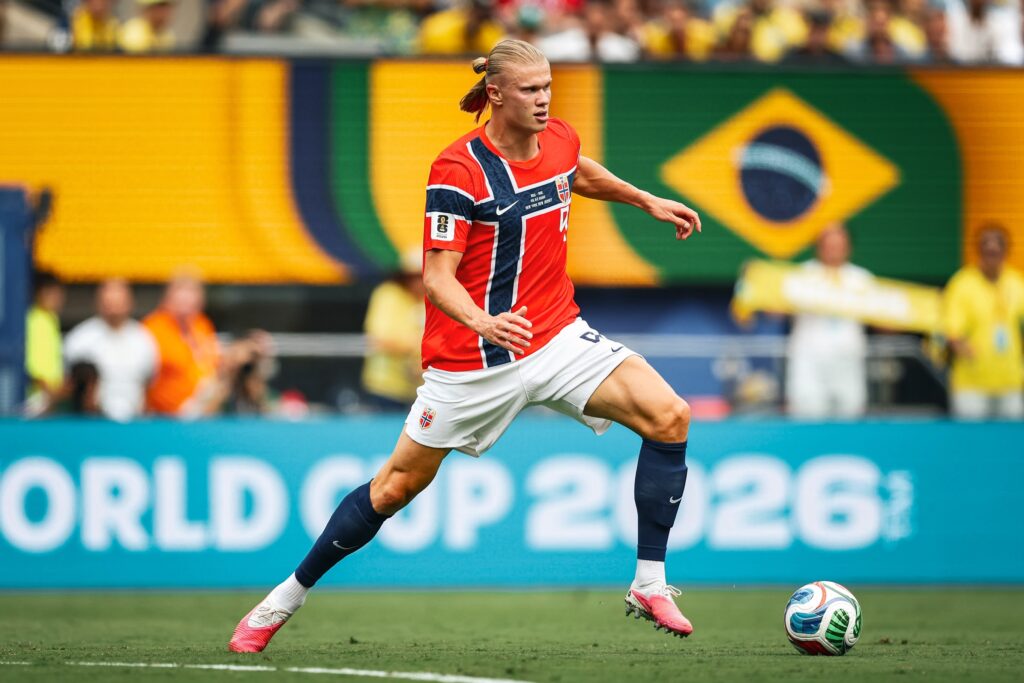
Erling Haaland has made breaking scoring records look routine. Since joining Manchester City in 2022, the Norwegian striker has helped the club win major domestic and European trophies while becoming one of football’s most feared forwards.
His estimated US$80 million in annual earnings reflects both his Manchester City contract and an expanding list of endorsement deals, including a long-term partnership with Nike. Off the pitch, Haaland’s calm personality and dominant performances have made him one of the sport’s most recognizable young faces. As Norway returns to the FIFA World Cup for the first time since 1998, he also carries the hopes of a nation eager to make its mark on football’s biggest stage.
3. Kylian Mbappé
Estimated earnings: US$95 million
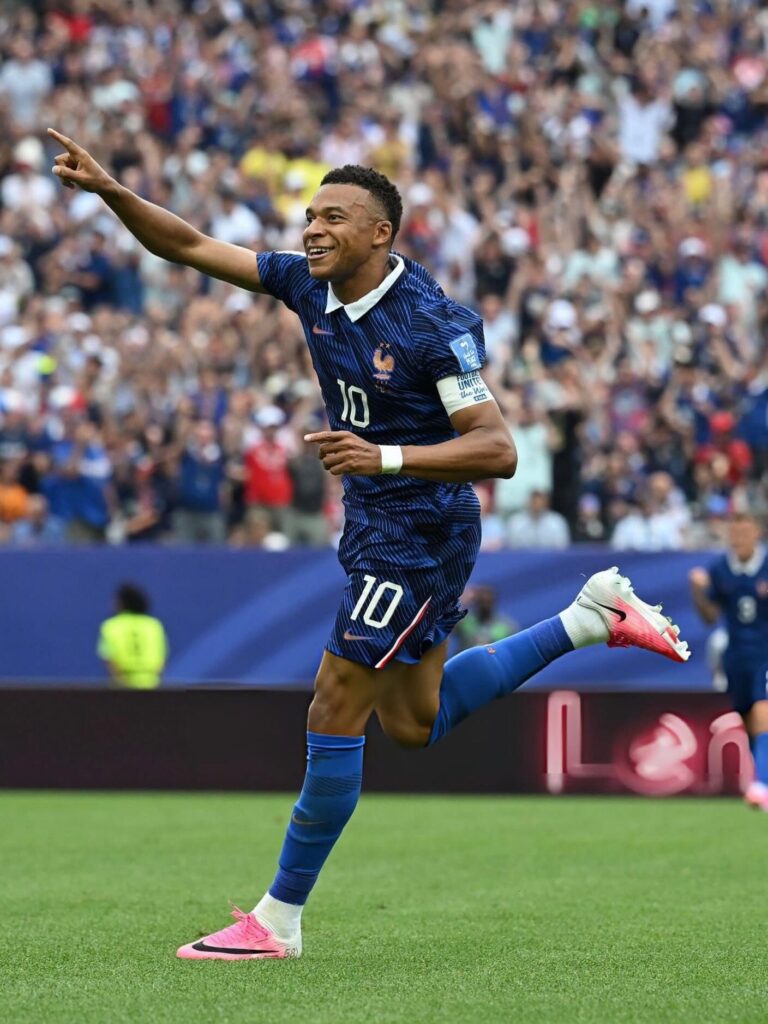
Few players have shaped football’s future quite like Kylian Mbappé. Already a FIFA World Cup champion with France, the 27-year-old finally completed his long-awaited move to Real Madrid, where he now headlines one of the world’s biggest clubs.
According to Forbes, Mbappé earned US$70 million through football and US$25 million from endorsements during the past year. Beyond Nike, he has expanded his portfolio with brands such as Fairmont Hotels & Resorts and French health-tech company Alan, where he is also an investor.
2. Lionel Messi
Estimated earnings: US$140 million
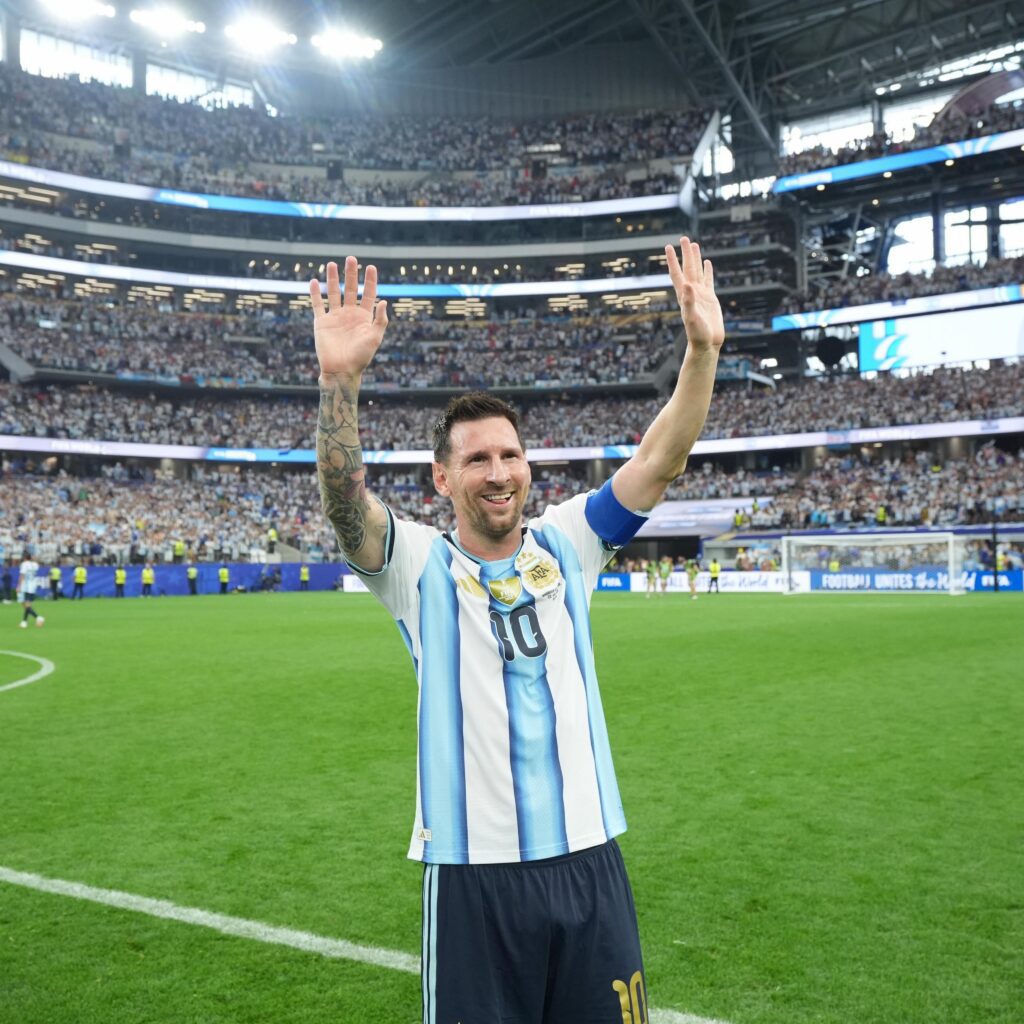
Lionel Messi’s legacy was already secure before he arrived in Major League Soccer, but his move to Inter Miami has only expanded his global reach. Forbes estimates the Argentine captain earned US$70 million on the field and another US$70 million through endorsements, making him the second highest-paid football player in the world.

His commercial portfolio includes long-standing partnerships with Adidas, Apple, Hard Rock, and other international brands, while his presence has increased global interest in MLS and Inter Miami.
Messi’s journey, however, began far from the spotlight. At age 13, he left Argentina after Barcelona agreed to fund treatment for his growth hormone deficiency, giving him an opportunity his family could not afford on their own. That decision changed football history. More than two decades later, the eight-time Ballon d’Or winner remains one of the sport’s most influential figures, proving that his impact extends well beyond goals and trophies.
1. Cristiano Ronaldo
Estimated earnings: US$300 million
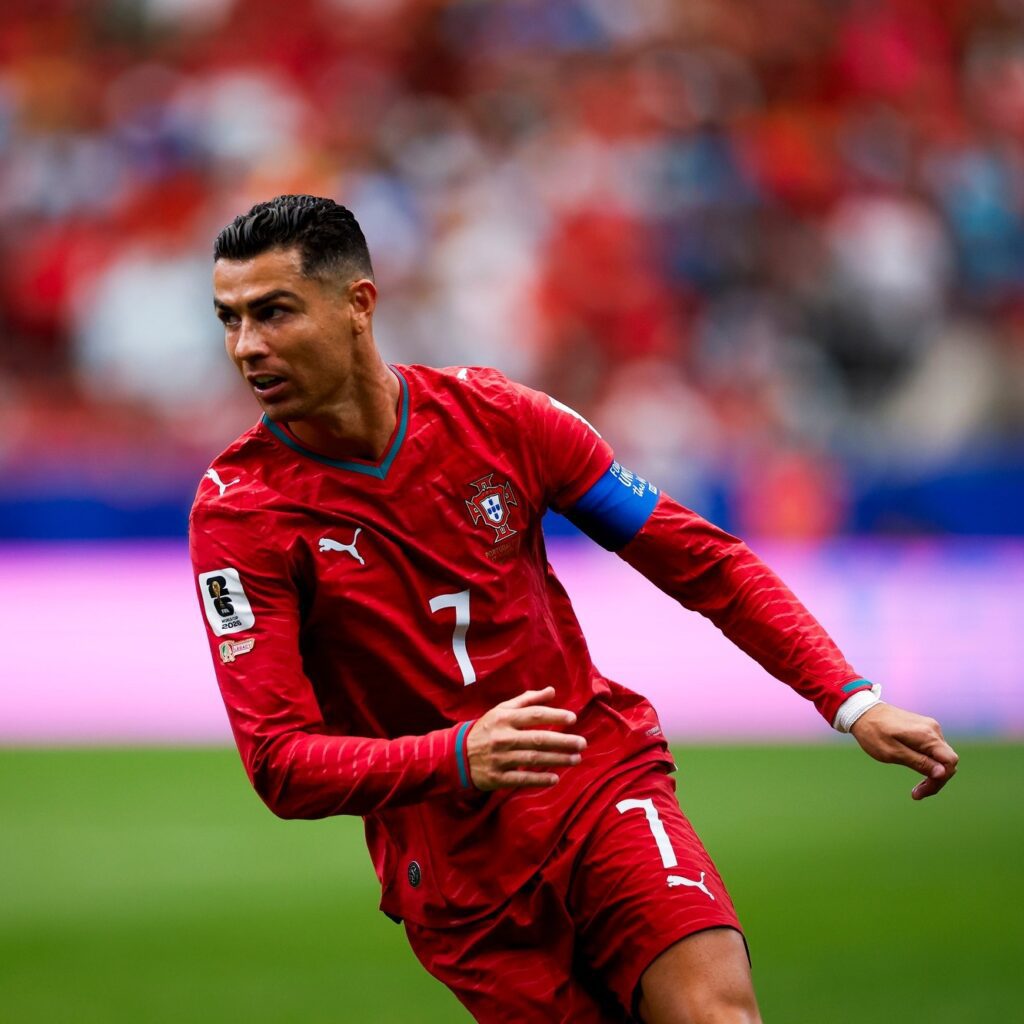
Cristiano Ronaldo continues to set the financial standard in football. Forbes estimates he earned US$235 million from football and another US$65 million through endorsements and business ventures, making him not only the highest-paid football player in the world but also the highest-paid athlete across any sport.
His record-breaking contract with Saudi Pro League side Al-Nassr forms the foundation of his earnings, but Ronaldo’s empire stretches much further. Through the CR7 brand, he has invested in hotels, fitness clubs, fragrances, fashion, and digital businesses while maintaining a lifetime partnership with Nike. He also remains the most-followed person on Instagram, giving brands unparalleled access to hundreds of millions of fans worldwide.
His story is one of football’s greatest rags-to-riches journeys. Raised in a modest home in Madeira, Ronaldo has often spoken about growing up with limited means before dedicating himself entirely to football. Decades later, he has become one of only a handful of active billionaire athletes, transforming sporting excellence into one of the world’s most recognizable personal brands.
Football’s biggest stars have become global businesses
Modern football is no longer powered solely by television rights and transfer fees. Today’s elite players generate value through sponsorships, investments, licensing deals, social media, and entrepreneurial ventures that continue to grow alongside their sporting careers. It’s also reflected in the businesses they’ve built, the audiences they’ve cultivated, and the global influence they’ve earned far beyond the pitch.
Related story: Game, set, match! Five unforgettable moments at Wimbledon 2026
Related story: From chubby cheeks to center court conqueror: Alex Eala’s history-making hour
Related story: From grit to gold and glory: The year in Philippine sports