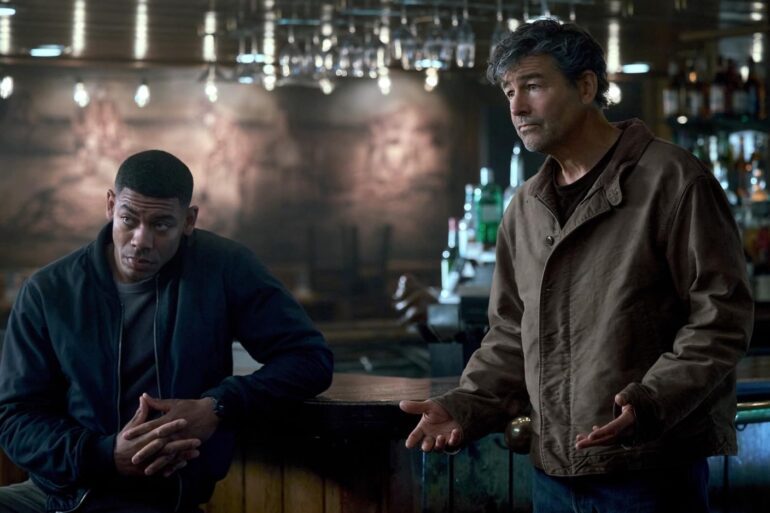

Beyond the film industry’s tendency to treat nostalgia as an infinite pipeline of content and a bankable asset, true cultural nostalgia runs much deeper than marketability and fan service.
Hollywood keeps nostalgia on loop through reunions, reboots, and sequels that bring our childhood favorites back to the screen. Read more about these nostalgic revivals here. But beyond fan service and box-office appeal, nostalgia can reflect a deeper longing for identity, stability, and belonging, as seen in the cultural movement known as Ostalgie.
Related story: Nostalgia on loop: How today’s film industry keeps bringing back our childhood classics
What is Ostalgie?
In eras of disorienting, rapid societal shifts, nostalgic media stops being mere entertainment and transforms into a vital psychological refuge for a culture seeking its footing. Out of this tension between modern anxiety and a lost historical moment came one cultural movement of the late 1990s and early 2000s: Ostalgie, a portmanteau of Ost (East) and Nostalgie (Nostalgia).
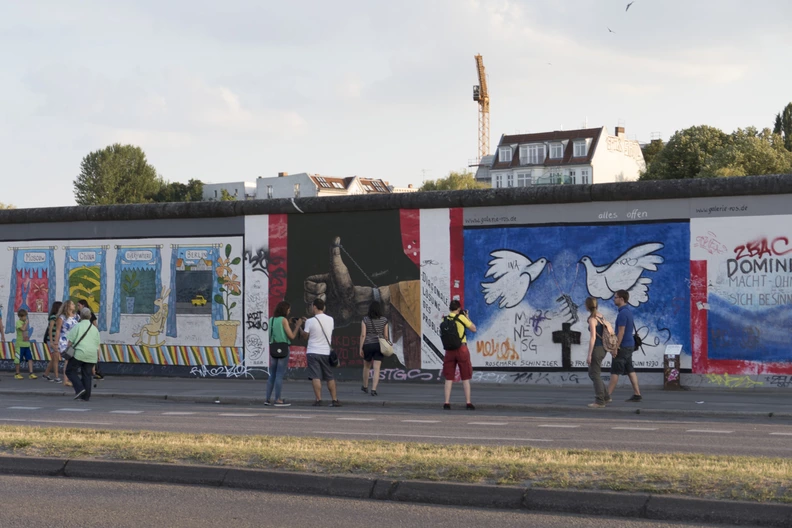
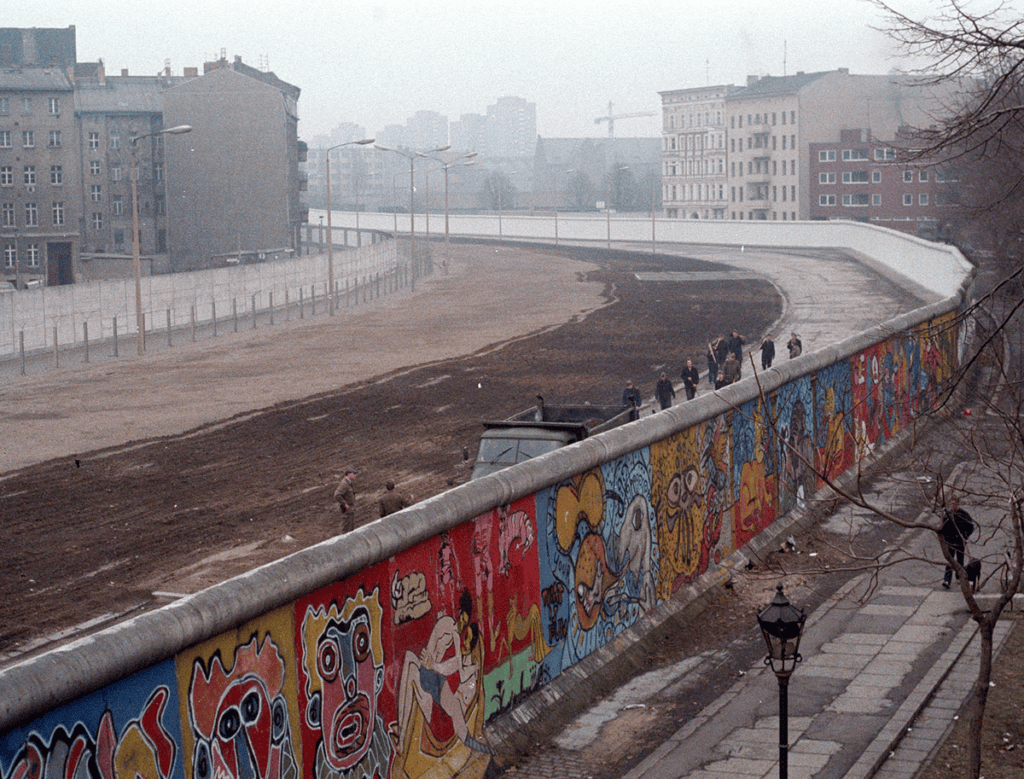
Emerging in the wake of the 1989 Berlin Wall collapse and German reunification, the movement was a bittersweet ache for the lost social fabric and a wish to resurrect the human bonds of Eastern everyday life.
Why East Germans turned to the past
The socio-historical roots of Ostalgie were grounded in the brutal economic and cultural transition experienced by East Germans (Ossis). Virtually overnight, the collapse of the German Democratic Republic (GDR) resulted in mass factory closures, soaring unemployment, and the total erasure of daily East German products and institutions. Treated by Westerners as second-class citizens whose history needed to be discarded, East Germans used Ostalgie as an emotional defense mechanism to reclaim their dignity.

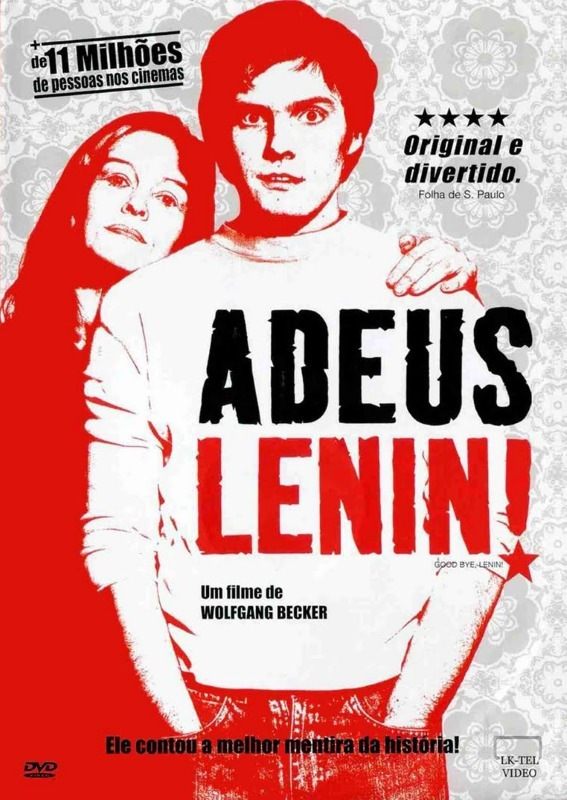
Cinema became the primary medium to explore this delicate balance, most famously in Wolfgang Becker’s global hit Good Bye, Lenin! (2003), where a young man recreates the defunct GDR inside his comatose mother’s bedroom, using humor and melancholy to demonstrate how memory can be both an act of love and a fragile, constructed lie.
Nostalgia beyond East Germany
Crucially, this phenomenon of post-transition longing was never limited to East Germany or the Cold War. Across the former Eastern Bloc, identical psychological movements surfaced wherever the sudden arrival of “Wild West” capitalism created systemic instability.
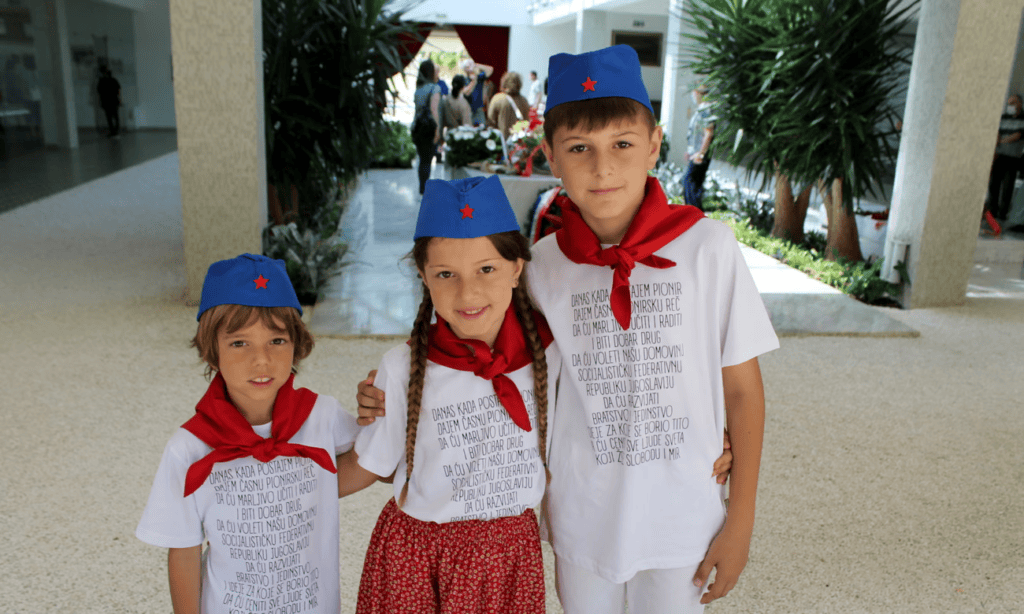
In the Balkans, Yugonostalgia emerged following the violent dissolution of Yugoslavia in the 1990s, where citizens across Bosnia, Croatia, and Serbia looked back with deep fondness at the multi-ethnic peace and social security enjoyed under Josip Broz Tito. Similarly, across post-Soviet Russia, the chaotic economic collapse of the 1990s birthed a powerful wave of USSR nostalgia, where citizens grieved not the totalitarian regime, but the lost guarantees of employment, healthcare, and collective solidarity.
From Shōwa Retro to Industrial Nostalgia
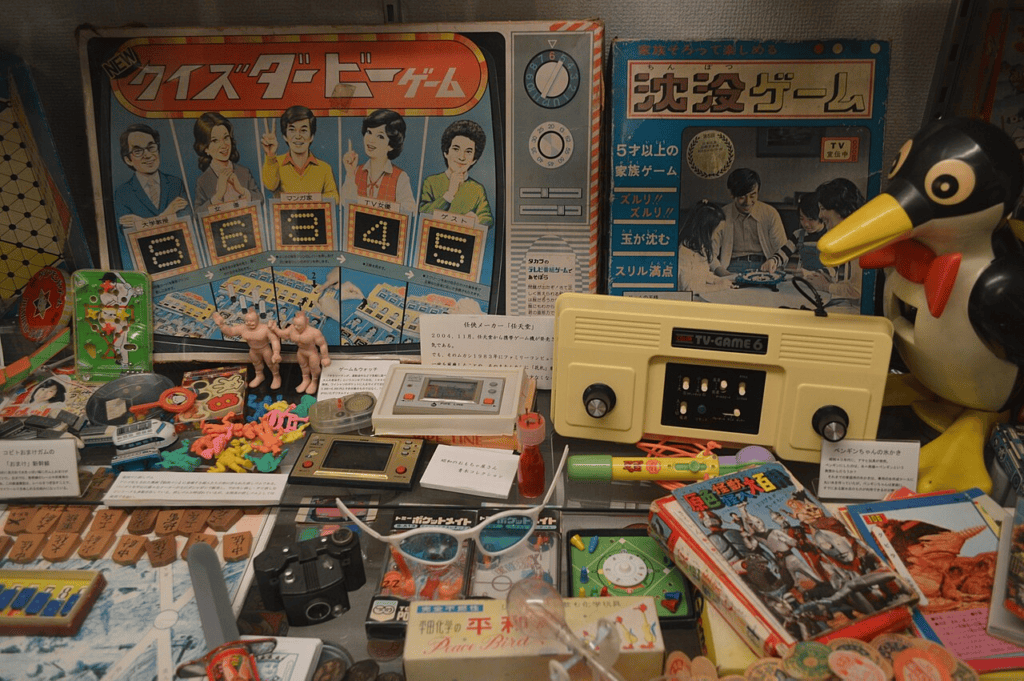
Far beyond the borders of socialist collapse, parallel nostalgic movements consistently ignite whenever rapid economic or industrial shifts strip away a population’s sense of identity. In Japan, the sudden bursting of the nation’s asset price bubble in the early 1990s gave rise to Shōwa Retro, a massive cultural movement romanticizing the mid-20th-century post-World War II economic boom, captured in cinematic landmarks like Always: Sunset on Third Street (2005).
A similar pattern defines Industrial Nostalgia across the Rust Belt regions of the United States and the former mining towns of Northern England, where cinema, music, and art frequently mourn the death of mid-century working-class stability, union brotherhood, and the lost dignity of labor.

When memory becomes a form of survival
What unites these global movements from Berlin and Belgrade to Tokyo and Detroit is the human need to preserve identity in the face of erasing progress. Contrasting Hollywood’s polished, profit-driven reboots with movements like Ostalgie reveals two fundamentally different uses of memory.
While legacy media uses nostalgia as a commercial tool to sell us back our childhoods, socio-cultural nostalgia uses memory to heal the emotional wounds of historical dislocation, reminding us that while empires, economies, and trends inevitably collapse, the human desire for belonging and dignity remains indestructible.
Returning to these worlds with a new set of eyes feels like a triumph. We’ve come back to the beginning, but we’re bringing all the lessons, the scars, and the growth of our twenties and thirties with us.
Related story: Oh, the nostalgia! Louis Vuitton resurrects the iPod in its music-themed accessory collection
Related story: A ‘Gilmore Girls’ documentary is coming. Here’s your excuse to revisit Stars Hollow
Related story: The FFOREVER concert is a love letter to our ‘Meteor Garden’ years