
The controversy surrounding Josh Aquino exposes a disturbing culture of casual cruelty. Disability is not entertainment, and no amount of laughter makes humiliation harmless.
There is nothing clever about making fun of someone with autism. Nothing courageous about ridiculing a person who hasn’t done anything to deserve public humiliation. And absolutely nothing entertaining about watching grown adults turn someone’s disability into a punchline.
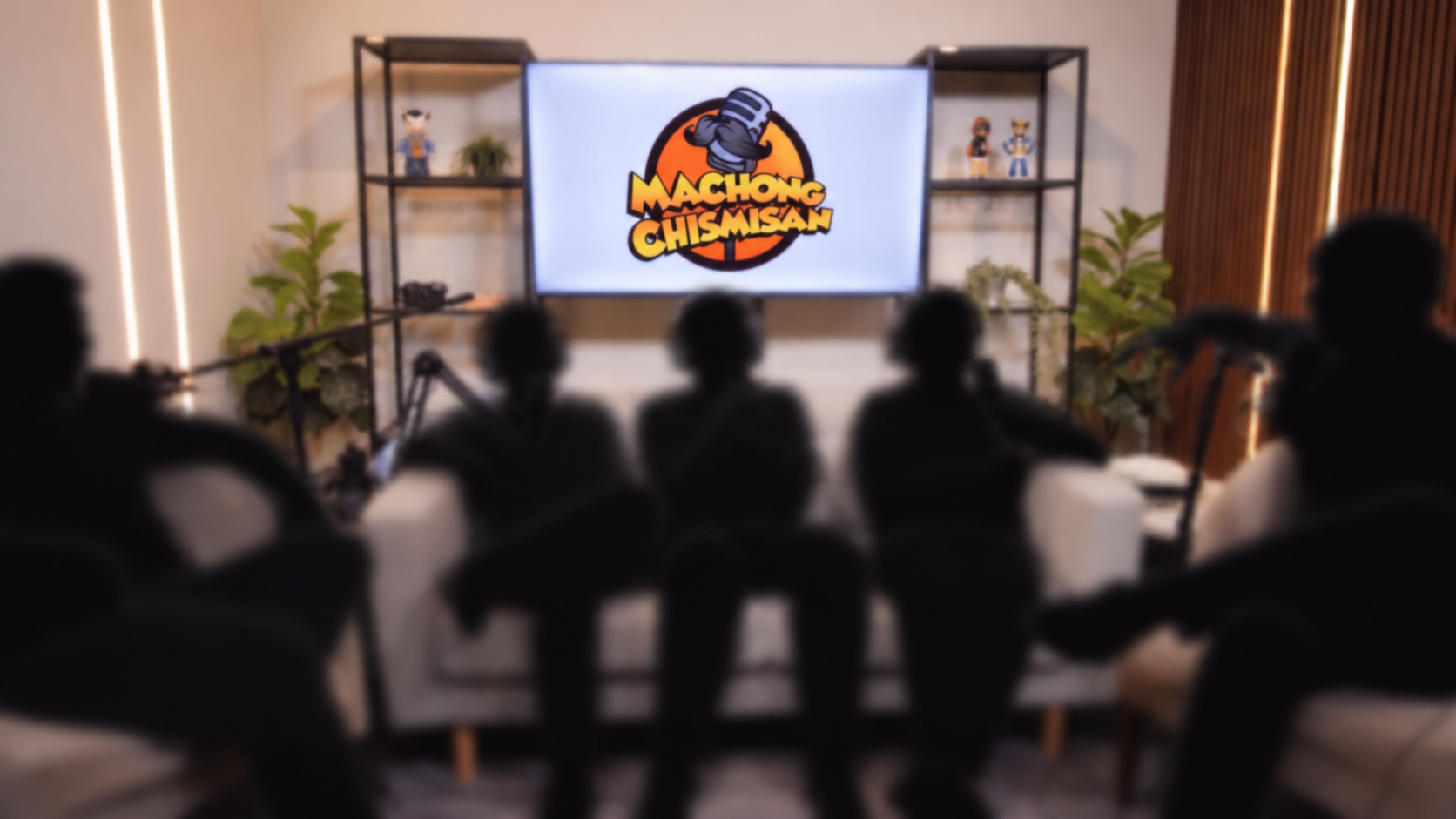
The controversy involving the now-deleted Machong Chismisan podcast and Joshua “Josh” Aquino, the eldest son of Kris Aquino, has reignited a conversation Filipinos should have settled a long time ago: When did cruelty become comedy, and why are we still allowing disability to be part of the joke?
In a now-deleted episode titled Ang Pagbabalik ni Kris Aquino, the podcast personalities discussed Kris’ sons, Josh and Bimby, comparing the brothers before one participant declared, “Si Josh, walang kuwenta eh.” Another remark mocked Josh’s behavior, prompting laughter during the exchange.
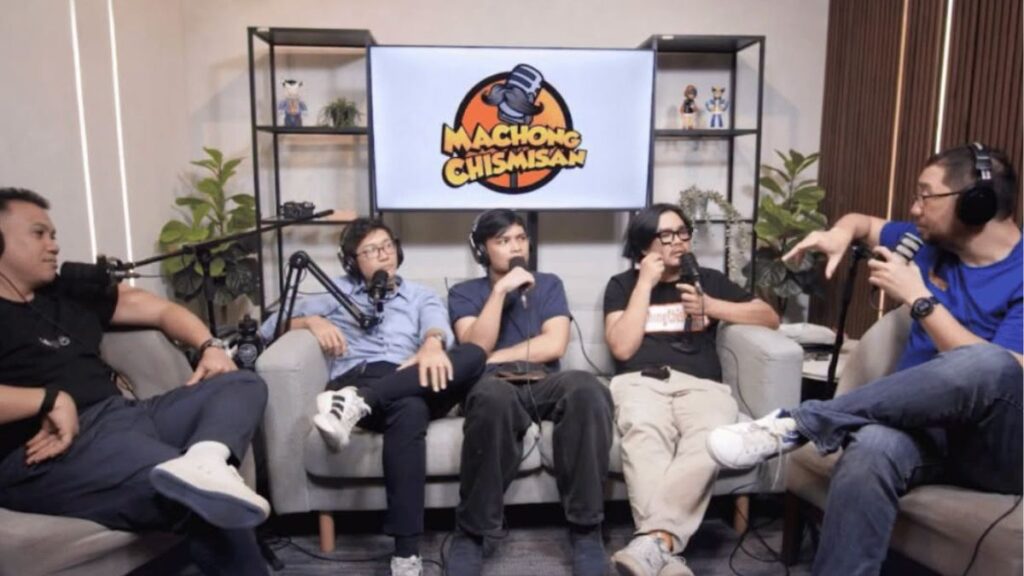
The remarks drew widespread condemnation. The podcast’s official Instagram account issued an apology, while The Pod Network, which previously distributed the show, announced through its official Facebook page that it had terminated its contract with Machong Chismisan, effective immediately.
The Department of Social Welfare and Development (DSWD) also condemned the remarks on October 15, warning content creators about the legal consequences of publicly ridiculing persons with disabilities.
The real problem, though, isn’t confined to five men sitting behind microphones; it’s a culture that has become disturbingly comfortable confusing humiliation with humor.
The problem with making disability the joke
Autism spectrum disorder is a neurodevelopmental condition that can affect communication, social interaction, sensory processing, and behavior. Its characteristics and support needs vary widely from person to person. It isn’t a measure of someone’s worth, intelligence, character, or capacity to love.
In January 2026, the DSWD called on Filipinos to support National Autism Consciousness Week, reinforcing the importance of protecting the rights and welfare of individuals on the autism spectrum. The campaign’s theme, Mula Kamalayan Tungo sa Gawa: Pag-unlad ng Autism-OK Philippines, emphasized moving from awareness to meaningful action.
The irony is difficult to ignore. We dedicate national campaigns to inclusion, yet people with disabilities can still become targets of public ridicule for the sake of online entertainment.
The most troubling part is how casually these insults can be delivered. A derogatory remark, a round of laughter, a viral clip—and suddenly someone’s disability has become content. As DSWD spokesperson Irene Dumlao stated on October 15, exploiting someone’s disability for amusement or online engagement reinforces stereotypes and discrimination.
A joke that depends on degrading someone for being different isn’t clever commentary. Instead, it’s downright prejudice with a microphone.
The numbers make this conversation impossible to dismiss
According to the Department of Education’s 2026 General Appropriations Act performance indicators, the agency reported a baseline of 384,649 public-school learners under Special Needs Education, with a target of 425,312 learners for 2026.
These figures cover different special educational needs, not autism alone. The 2026 figure is a target, not a confirmed enrollment count.
A separate DepEd Caraga report published in 2025 documented 759 learners with autism spectrum disorder in the region during school year 2024–2025, including 728 elementary pupils. These numbers represent real Filipino learners navigating classrooms, communities, and social spaces where acceptance should be an expectation, not an exception.
When adults publicly mock developmental differences, what message does that send to children who hear them?
It tells children with disabilities that their differences can be used against them. It tells their classmates that humiliation is acceptable when everyone else is laughing. Most dangerously, it teaches people that empathy is optional whenever entertainment is involved.
Philippine law already draws the line
The Philippines doesn’t leave the protection of persons with disabilities entirely to public goodwill.
Under Republic Act No. 9442, which amended the Magna Carta for Persons with Disabilities, public ridicule and vilification of persons with disabilities are expressly prohibited. The law’s implementing rules and regulations address degrading mockery, including offensive imitation and jokes made at the expense of someone’s disability.
For a first violation, the law provides penalties ranging from P50,000 to P100,000 in fines, six months to two years of imprisonment, or both, depending on the court’s determination.
Following the controversy, the DSWD issued an official warning against content creators who use disability for amusement and online engagement. The department stressed that digital platforms have a responsibility to uphold the dignity and rights of vulnerable individuals.
The National Bureau of Investigation has also initiated an investigation into the podcast participants. Whether their conduct constitutes a criminal offense remains subject to due process and the applicable legal standards.
Still, the message behind these safeguards is unmistakable: Freedom of expression isn’t a free pass to humiliate someone for having a disability.
A mother’s love shouldn’t have to come with a public defense
Kris Aquino has spoken openly about her eldest son’s role in their family. On her official Instagram account, she has shared personal moments involving Josh, including his affection and the care he provides during her ongoing health struggles.
Following the controversy, she addressed what she described as irresponsible and uninformed opinions, choosing not to engage in the public confrontation surrounding the podcast.
Meanwhile, longtime family friend Boy Abunda publicly condemned the remarks and expressed his support for Kris and Josh.

Their responses are understandable, yet raise a troubling question: Why should a mother have to publicly demonstrate her son’s kindness to establish that he deserves respect? Josh doesn’t have to prove he’s affectionate, accomplished, articulate, or exceptionally talented to be treated with dignity. Neither does any Filipino living with a disability.
The Council for the Welfare of Children has also spoken against discriminatory remarks targeting persons with disabilities, warning that such behavior can reinforce harmful stereotypes and contribute to bullying and exclusion among children.
The warning deserves attention. Josh may be an adult, but the attitudes directed at him can also affect children growing up on the autism spectrum.
As parents, we spend so much of our lives teaching our children kindness, compassion, and consideration. We remind them not to bully classmates, not to laugh at differences, and not to judge people they don’t understand. Then adults go online and demonstrate the exact opposite.
Being funny should never require being cruel
The public backlash against Machong Chismisan shouldn’t be mistaken for a demand that comedy become humorless or criticism become impossible.
Comedy can be confrontational, controversial, and courageous. It can challenge powerful institutions, expose hypocrisy, and question cultural conventions without reducing someone’s disability to a cheap laugh.
The decision by The Pod Network to terminate its association with the podcast demonstrates how public pressure can prompt professional consequences. Its official channels also provide a record of the network’s public response.
What happened to Josh deserves scrutiny not simply because he’s Kris Aquino’s son, but because the same dignity should extend to every Filipino whose disability has made them vulnerable to ridicule. An apology can acknowledge harm. Losing a platform can demonstrate consequences. Neither automatically repairs the attitudes that allowed the mockery to happen.
We shouldn’t need a celebrity mother, a viral controversy, or an NBI investigation to remind us that people with disabilities deserve basic human decency. Autism isn’t the joke. The troubling belief that another person’s dignity is disposable for entertainment is what deserves our collective attention.
And if humiliating someone is the only way to get an audience laughing, perhaps the problem was never a lack of humor. Perhaps it was a lack of humanity.
Related story: Reddit, Discord, and the question of online anonymity in the Philippines
Related story: Cyberbullying is an overlooked cause of teenage suicide. Here’s how to prevent it