
New Zealand will bring the adventurer out of you (like it did for Frodo!) and I beseech you to allow it.
When I first started travelling to New Zealand in 2022, the question people asked me most often was, “Why?” It seemed almost unthinkable to choose Middle-Earth-like landscapes over shopping in Tokyo or following K-drama trails in Seoul, especially when both destinations are easier and less expensive trips.
At that time—at least within my circle—New Zealand, also known as Aotearoa in the indigenous Māori-language, was still considered tricky to get to, a destination only Lord of the Rings nerds visited. And while I am proud to mildly fall under that category, after three separate weeks-long adventures exploring the North and South Islands, I have yet to visit Hobbiton. There’s just so much to see beyond the obvious tourist attractions.
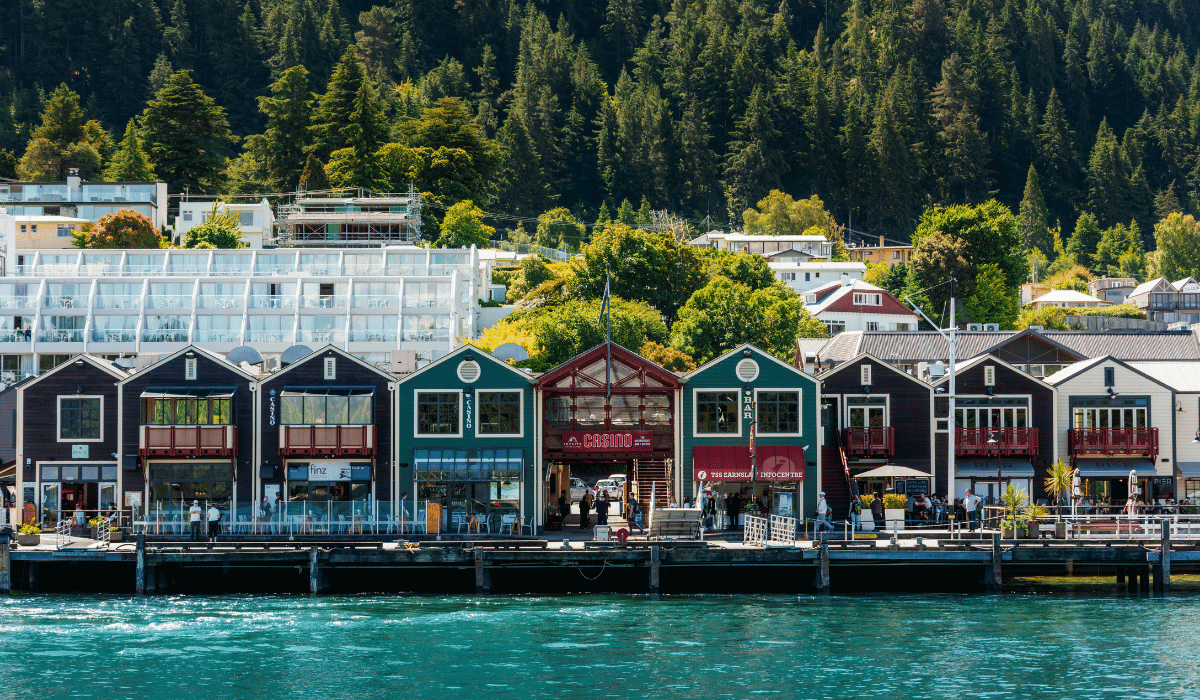
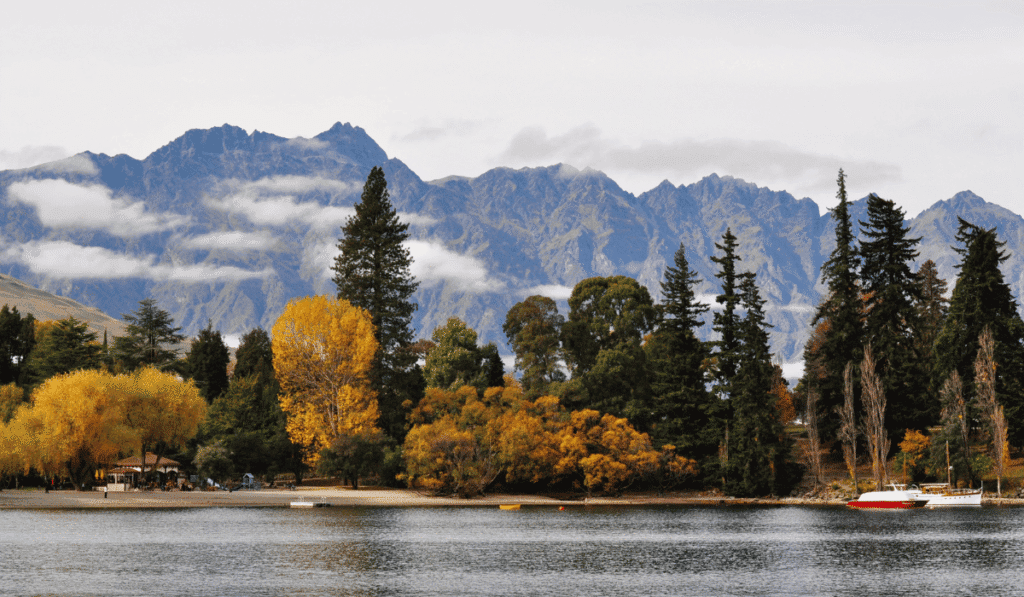
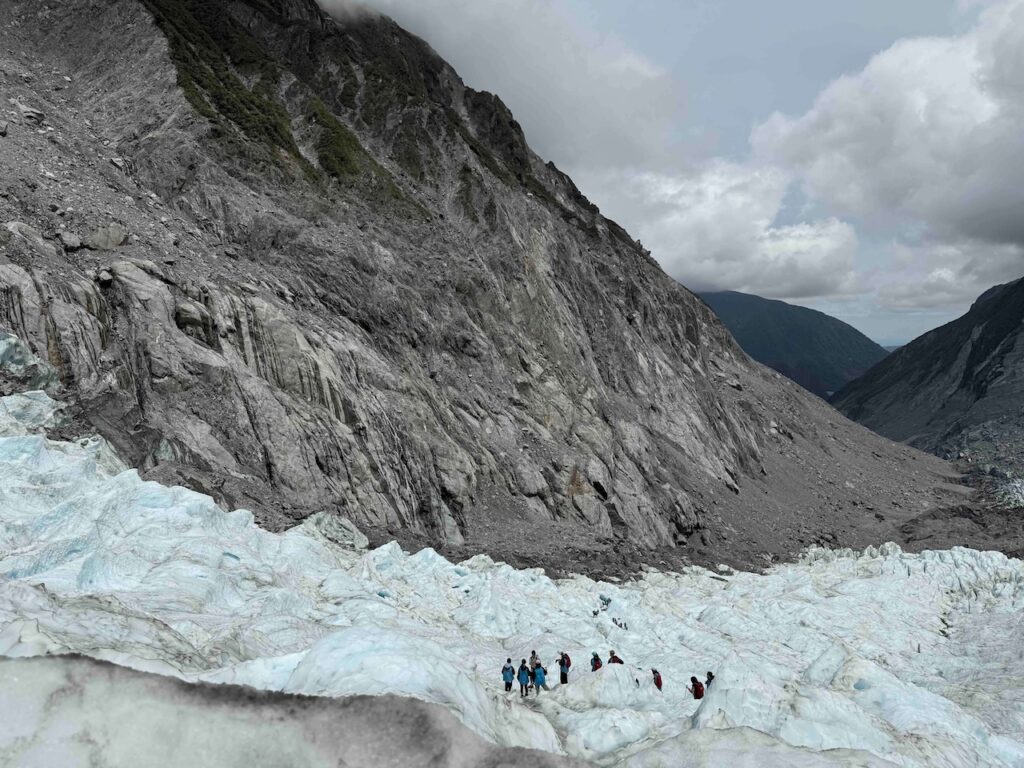
I remember checking into the Holiday Inn Express in Queenstown—possibly the most picturesque Holiday Inn on the planet (now upgraded to a Voco)—and being overcome by this alien sense of awe upon looking out the room. The Remarkables were right there, bathing in a cinematic sunset glow. For the first time in my indoor-girlie life, nature called to me. On my second trip, I hiked Tongariro Alpine Crossing, which overlooked Mount Doom. On my third, I nearly impaled myself on a glacier hike.
I can’t say I’m a changed person, but every time I set foot in that country, the spirit and audacity of a male Caucasian hiker embolden me. New Zealand will bring the adventurer out of you (like it did for Frodo!) and I beseech you to allow it.
Here are more reasons to add New Zealand to your 2027 travel plans, from living out your gorpcore dreams to experiencing the richness of Māori culture.
Related story: These 10 hotels are officially the world’s best in 2026
Related story: Where to next? These are the world’s 10 friendliest countries in 2026—and four are in Asia
Yes, it is easy for Filipinos to travel to New Zealand.
Traveling to New Zealand from the Philippines has never been more straightforward, thanks to a booming local diaspora and streamlined travel logistics.
Over 108,000 Filipinos are now residing in New Zealand, making up one of the country’s fastest-growing ethnic communities according to Stats NZ. First-time travelers will find a comforting home-away-from-home atmosphere (imagine my joy when I found a Filipino restaurant serving authentic caldereta in the glacier town of Franz Josef). Whether you are seeking local advice, craving familiar Filipino food, or looking for community support, the strong Filipino presence makes navigating the country smooth and welcoming.
Getting there and securing permission to enter is equally hassle-free. Immigration New Zealand provides an entirely paperless online portal for Philippine passport holders applying for a Visitor Visa, with simple documentation and multi-entry validity granted for up to two years. Flight connectivity between Manila or Cebu and New Zealand is also highly accessible through major regional hubs like Singapore, Sydney, Melbourne, and Hong Kong via carriers like Philippine Airlines, Qantas, Cathay Pacific, and Singapore Airlines.
It’s for safe and hassle-free solo travel and family holidays.
New Zealand is a dream destination for families with children and independent travelers who want total peace of mind. The country consistently ranks among the safest nations on the Global Peace Index, boasting exceptionally low crime rates, high social trust, and a welcoming culture that looks out for visitors. For solo travelers, the environment offers an unmatched sense of security. You can focus entirely on exploring without the constant vigilance required in higher-risk global destinations.
You can count on accommodations to be extremely clean and well-appointed, and more often than not, with an excellent view. Supermarkets like Woolworths, Four Square, and New World are everywhere, so you don’t have to worry about running out of supplies for your road trips. If you happen to find yourself short on water, tap water is safe to drink in urban areas.
Navigating the country independently is straightforward and intuitive, although you may need to rent a four-wheel-drive vehicle for the best experience. A well-maintained highway network, clear signage, reliable mobile coverage, and a culture built around road-tripping make long drives pleasant and uncomplicated. Just be mindful of animals crossing and watch out for roadkill. Alternatively, you could also choose from the many tours to handle all the logistics for you if you don’t mind being herded. The options range from fully guided coach excursions across both islands to flexible hop-on, hop-off bus networks tailored for independent travelers.
It offers opposite-season travel.
And then there’s the simple bliss of the seasonal swap. Because New Zealand is in the Southern Hemisphere, its weather is always a pleasant change. When Manila gets unbearably hot around April and May, you can escape to crisp, cool autumn weather. Or, when the monsoon rains hit the Philippines mid-year, you can trade the downpours for actual snow in Queenstown, Wanaka, or Mt. Ruapehu. December and January are my favorite months for hiking and other outdoor activities.
If you’re an aspiring hiker, New Zealand is the place to start.

Speaking of hiking, New Zealand is the ultimate training ground if you are an aspiring hiker or simply a fan of Type 2 fun. The country’s trail infrastructure is ridiculously forgiving for beginners—everything is impeccably marked, well-maintained, and designed to make nature accessible.
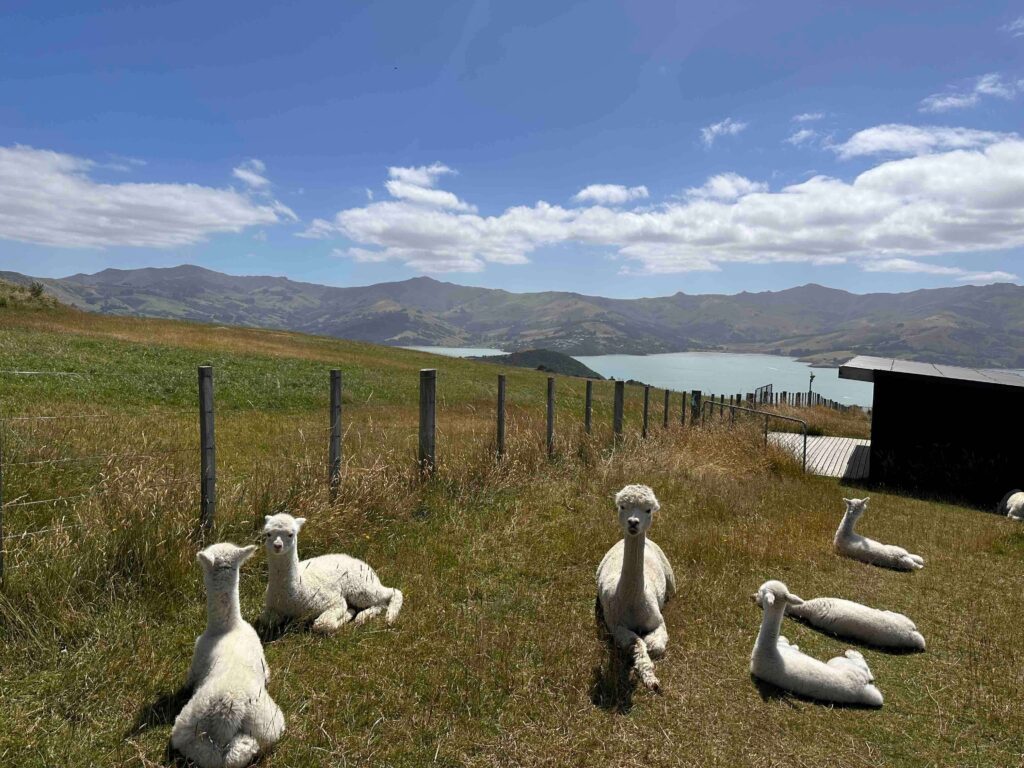
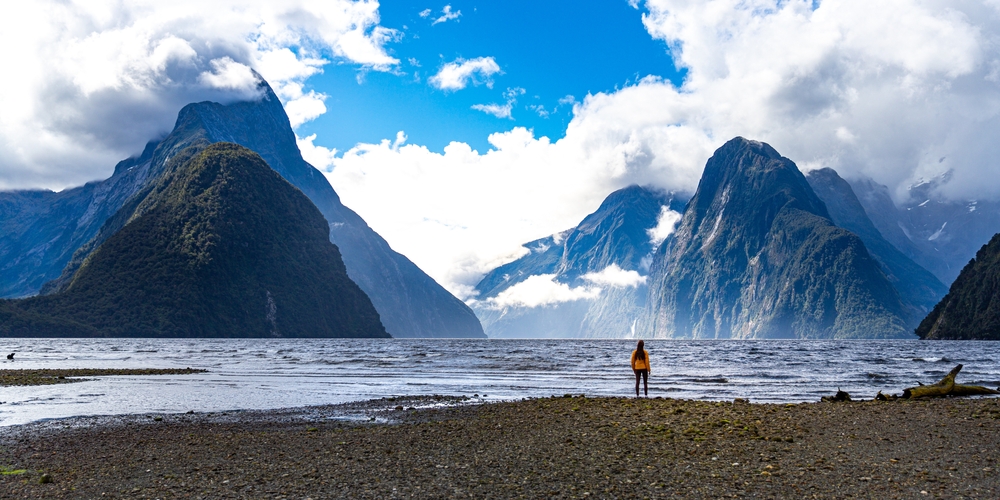
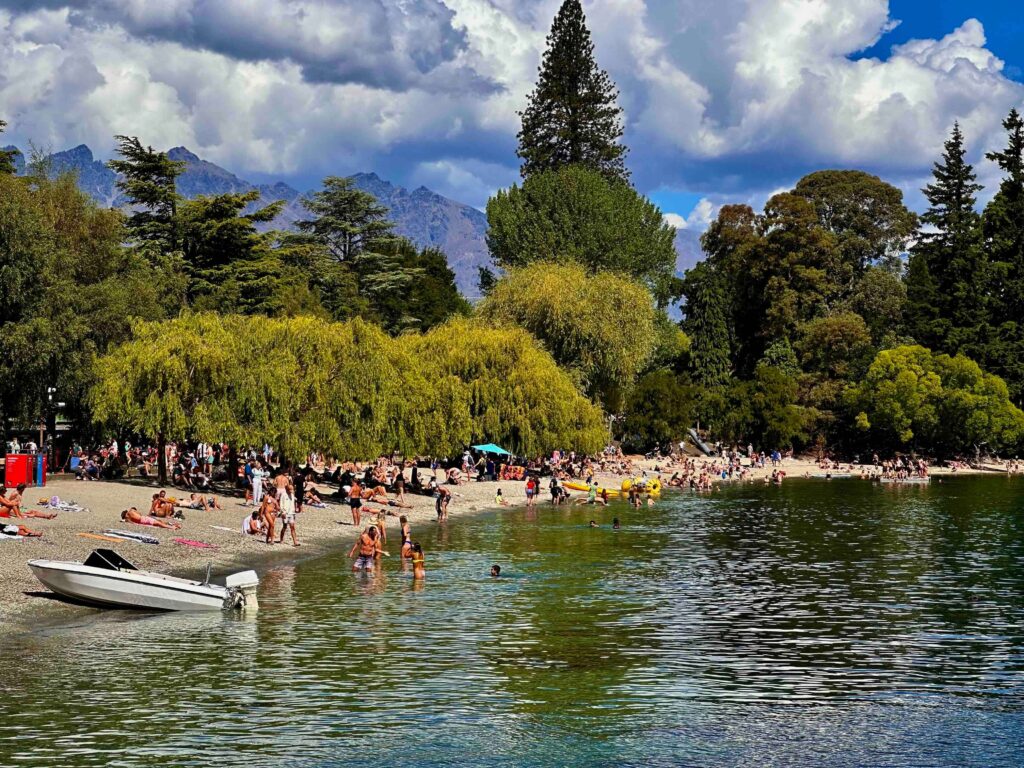
In places like Queenstown, you can ease in with gentle lakefront walks or short uphill trails that reward minimal effort with great views. Even at Milford Sound—often called the unofficial 8th Wonder of the World—where the towering fjords and cascading waterfalls look intimidatingly dramatic, the experience itself couldn’t be more approachable. Well-maintained boardwalks and short nature tracks allow you to wander right beneath roaring falls and sheer rock faces without needing any technical gear.
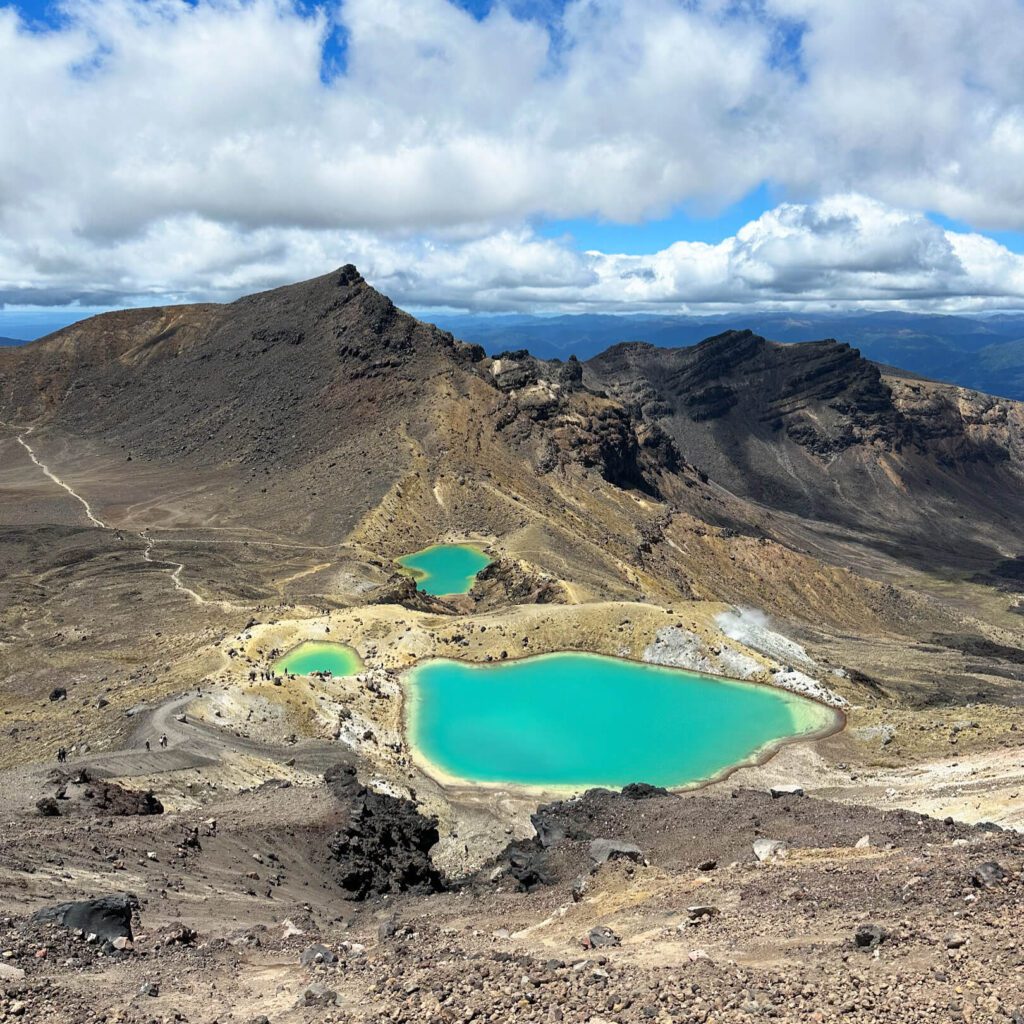
When you’re ready to step it up, you can strap on crampons for a guided glacier hike on Fox or Franz Josef Glacier, or take on the famous Tongariro Alpine Crossing—a 19.4-kilometer day hike that threads past emerald lakes and active volcanic craters (yes, including Mount Doom).
In New Zealand, you don’t need to be a seasoned mountaineer to experience world-class terrain. Of course, this doesn’t mean you can come untrained or without gear. A moderate level of fitness is often required for these hikes, which usually means you should be able to scramble, scree, bushwalk, and descend independently. In the event that you forget to pack essential gear, head over to a Macpac or Kathmandu store. They carry absolutely everything you’ll need for an outdoor adventure and are comparatively affordable.

There are also chill natural attractions if you’re more into that.
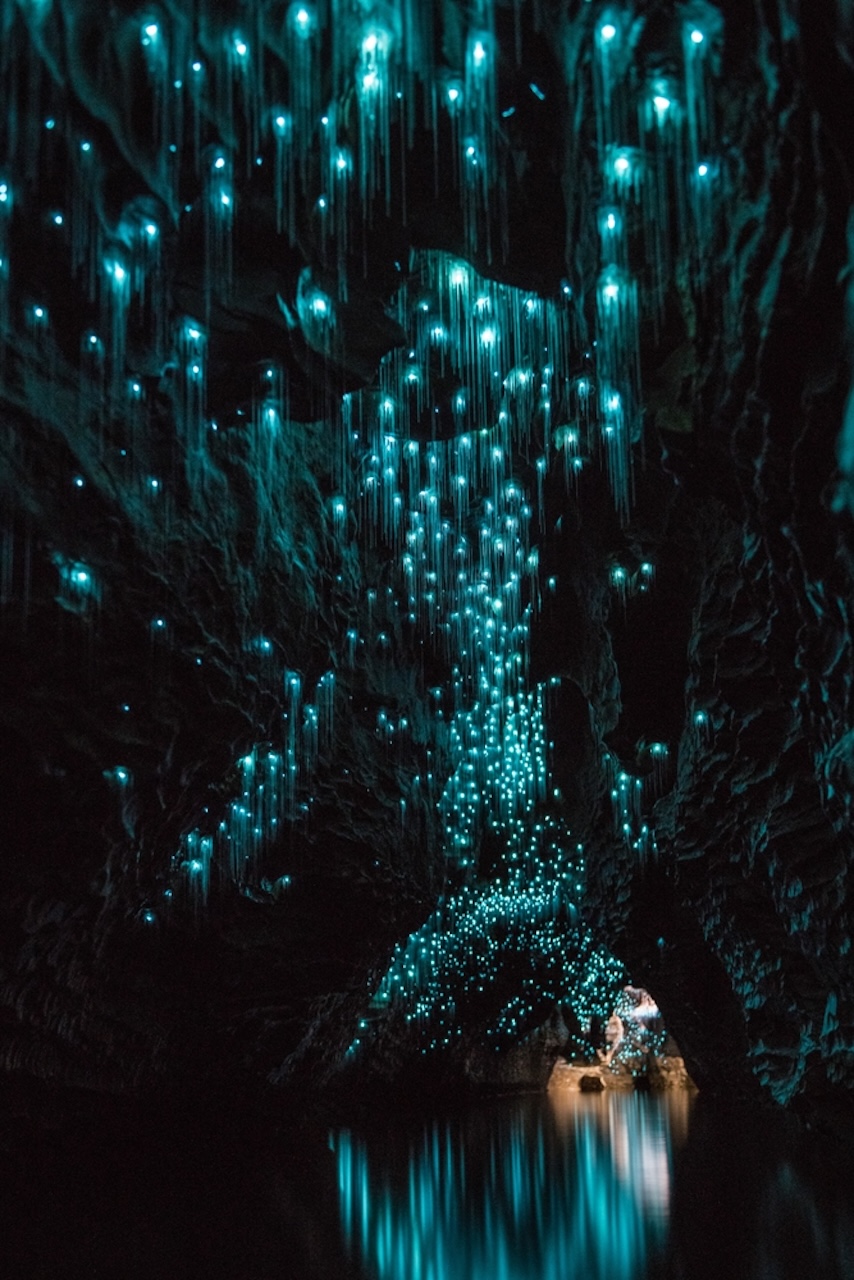
If hardcore trails sound like too much work, there are plenty of relaxed natural attractions around. New Zealand’s landscape is surprisingly generous to easygoing travelers. You can take a serene boat ride through the Waitomo Glowworm Caves under thousands of tiny bioluminescent lights, soak in natural geothermal hot springs in Rotorua, or sit by the mirror-like waters of Lake Tekapo and Lake Wanaka.
Or you can just come for the wine.
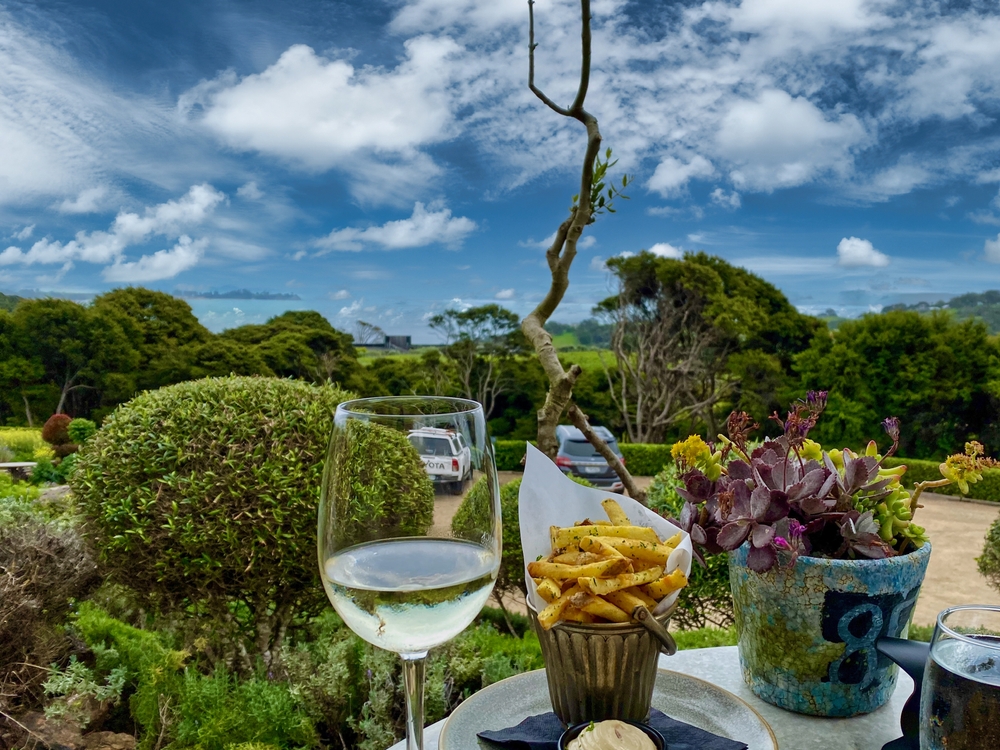
New Zealand produces some of the most celebrated wines in the world, and its wine regions double as some of the most stunning countryside you will ever drive through. The country is most famous for its crisp, intensely aromatic sauvignon blanc—particularly from the Marlborough region at the top of the South Island, which put New Zealand on the global winemaking map. If you lean toward off-dry or sweet whites, the cooler regions also yield vibrant Rieslings that are perfect for pairing with Asian dishes. Also look out for New Zealand’s dessert wines—especially late-harvest Rieslings and botrytised Noble wines.
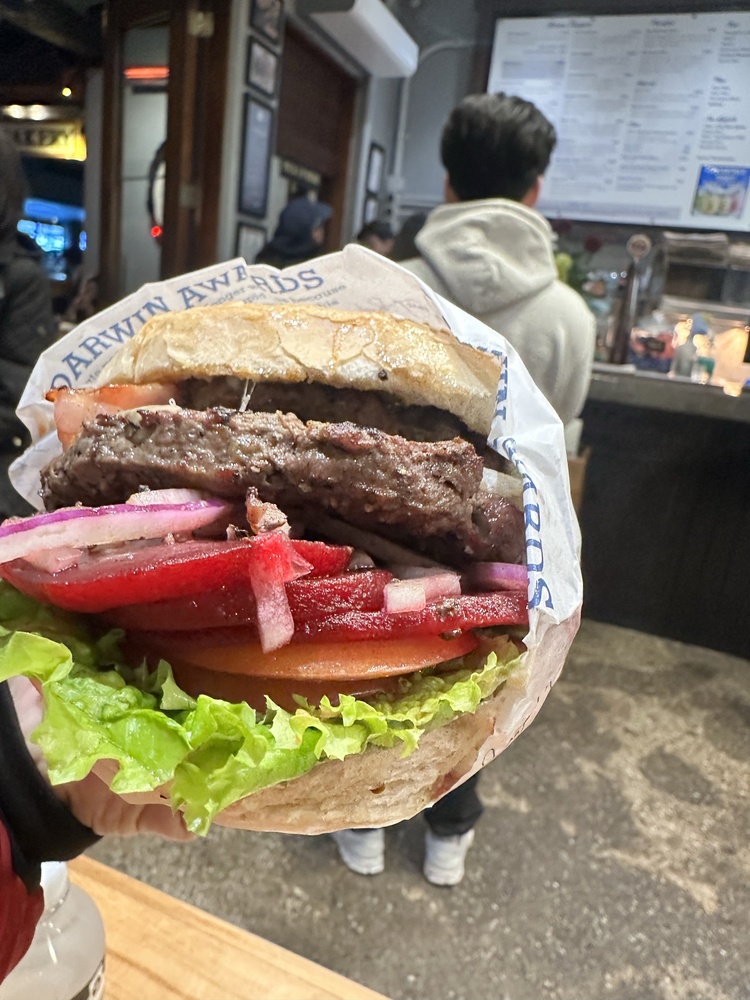
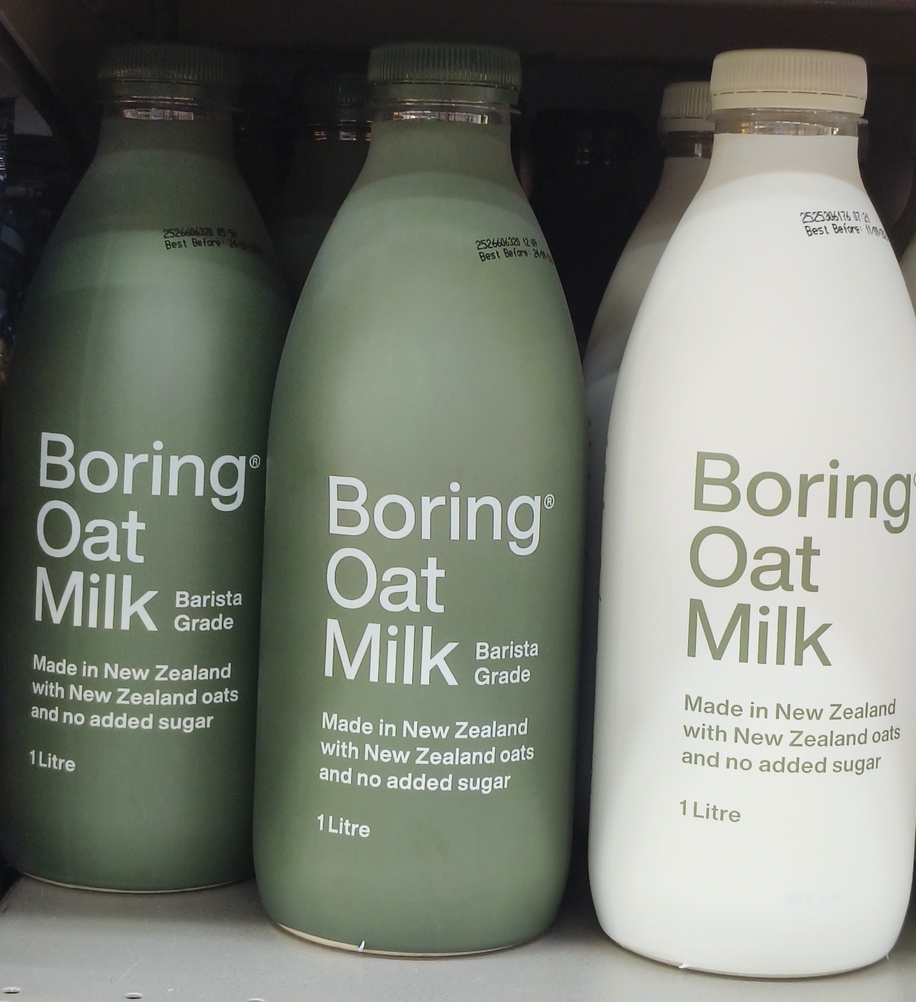
If you prefer reds, Central Otago near Queenstown is world-renowned for producing exceptional, earthy pinot noir grown against a backdrop of rugged alpine mountains. Meanwhile, regions like Hawke’s Bay and Martinborough on the North Island offer incredible syrahs, chardonnays, and boutique cellar doors connected by quiet, scenic backroads.
Wine tasting here is wonderfully unpretentious and easy to weave into any road trip. In some places like The Winery in Queenstown, you can enjoy Filipino tingi culture by purchasing a prepaid card that lets you taste small sips of as many wines as your card allows before you commit to a bottle. If you don’t have a designated driver, Uber is available but can get scarce in the evenings, especially to and from remote locations.
And, more importantly, learn about Te Ao Māori.
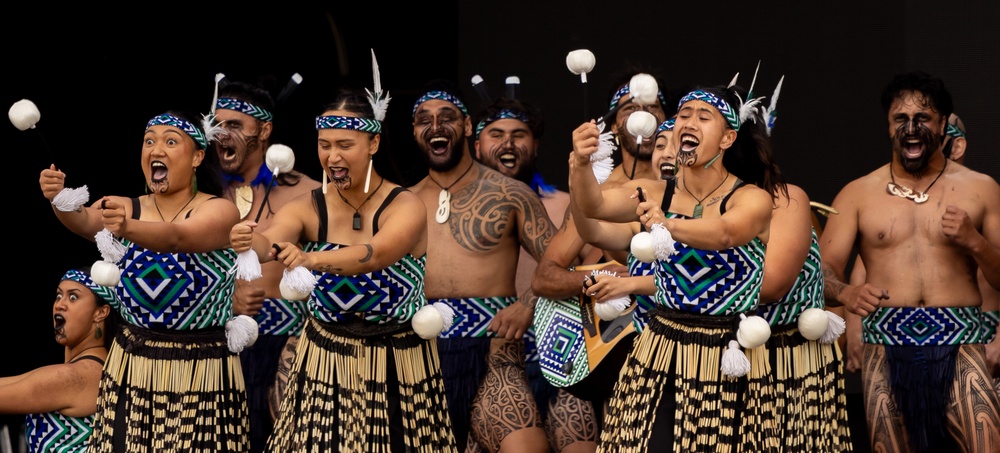
If you want a travel experience that grounds you in something deeper, make sure to carve out time to experience Māori culture. Te Ao Māori (the Māori worldview) is woven into the very fabric of everyday life in New Zealand—from the widespread use of te reo Māori (the Māori language) on official signage and regional greetings to the deep-seated value of kaitiakitanga (guardianship and protection of the environment). It’s a perspective that completely changes how you move through and appreciate the land.
The North Island, in particular, offers incredible, immersive ways to connect with indigenous heritage. Head to Rotorua, the cultural heartland, where you can visit traditional marae (tribal meeting grounds), witness a powerful haka, and share in a hāngī—a traditional feast cooked underground using geothermal heat and steam. But even as you travel down to the South Island, you’ll encounter Māori legends attached to nearly every mountain, river, and fjord. Experiencing this culture firsthand leaves you with a genuine appreciation for the stories and people that make Aotearoa so special.
Related story: What a solo road trip across the Balkans taught me
Related story: Spain is set to steal France’s tourism crown by 2040—here are 5 stops that show why
Related story: Stop overpacking: These are the only travel essentials that actually matter