
Road closures, heightened security, suspended public events, and special holidays are reshaping Metro Manila ahead of a major diplomatic gathering.
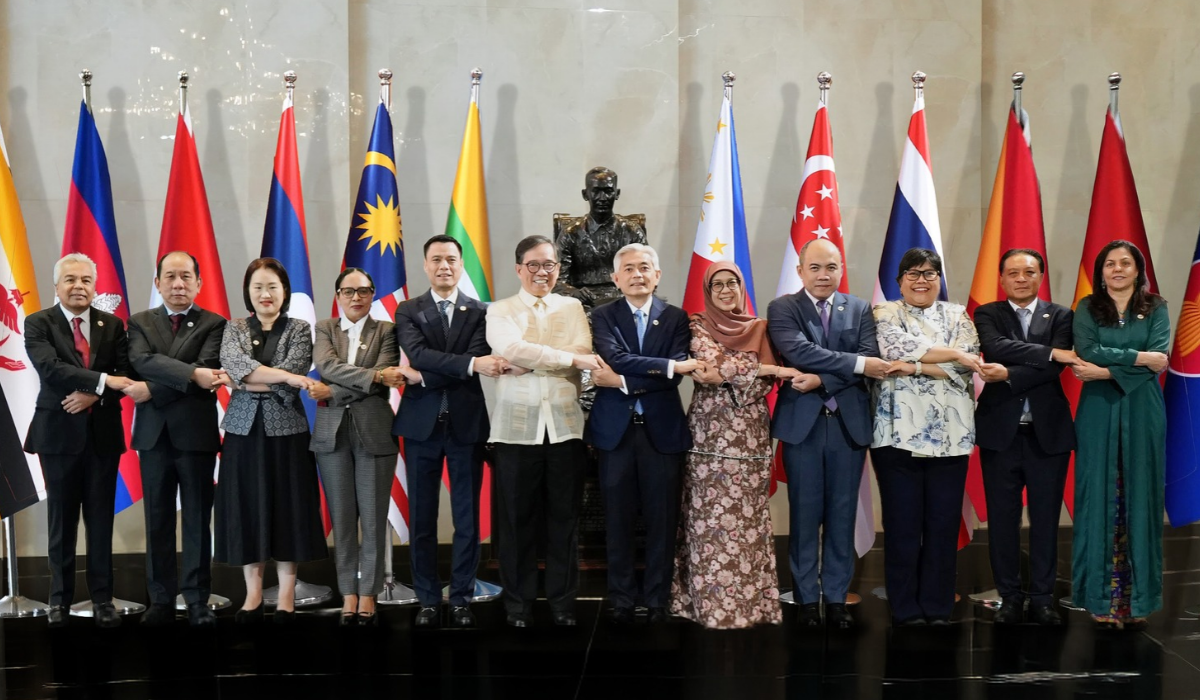
Metro Manila is preparing to welcome some of the world’s most influential political leaders, but hosting a major diplomatic gathering comes with considerable logistical demands. Security operations are intensifying, public activities are being restricted, and traffic arrangements are being revised as the Philippines prepares for the 49th ASEAN Summit and Related Summits this November.
With approximately 20 heads of state and government, alongside thousands of delegates and business leaders expected to attend, preparations extend well outside the conference halls. Authorities are coordinating security deployments, managing diplomatic convoys, and introducing restrictions that will affect residents, commuters, and businesses across the capital.
The government says preparations are nearly complete. For Metro Manila, however, the adjustments are only beginning.
A capital preparing for world leaders
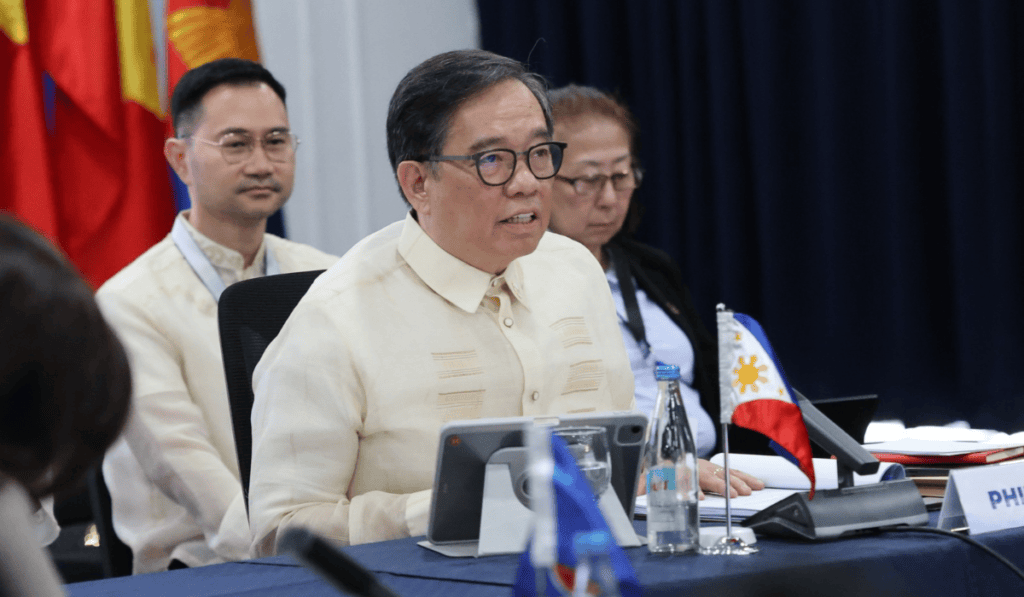
The Philippines’ hosting duties will place the Philippine International Convention Center (PICC) in Pasay City at the center of high-level diplomatic discussions involving Southeast Asian nations and their international partners.
According to the Philippine News Agency, Executive Secretary Ralph Recto, who chairs the ASEAN National Organizing Council, reported during an October 19 command conference that nearly all preparations had been completed.
The remaining arrangements involve everything from airport receptions and official motorcades to security protocols, conference logistics, and traffic management.
President Ferdinand Marcos Jr. also personally inspected the PICC in September, while the newly renovated Coconut Palace has been identified as an additional venue supporting the country’s hosting responsibilities.
Beyond the ceremonial engagements, the summit is expected to address regional economic cooperation, digital trade, maritime concerns, and security priorities. Among the anticipated outcomes are developments concerning the ASEAN-Canada Free Trade Agreement and the ASEAN Digital Economy Framework Agreement.
Lockdowns and restrictions begin October 24
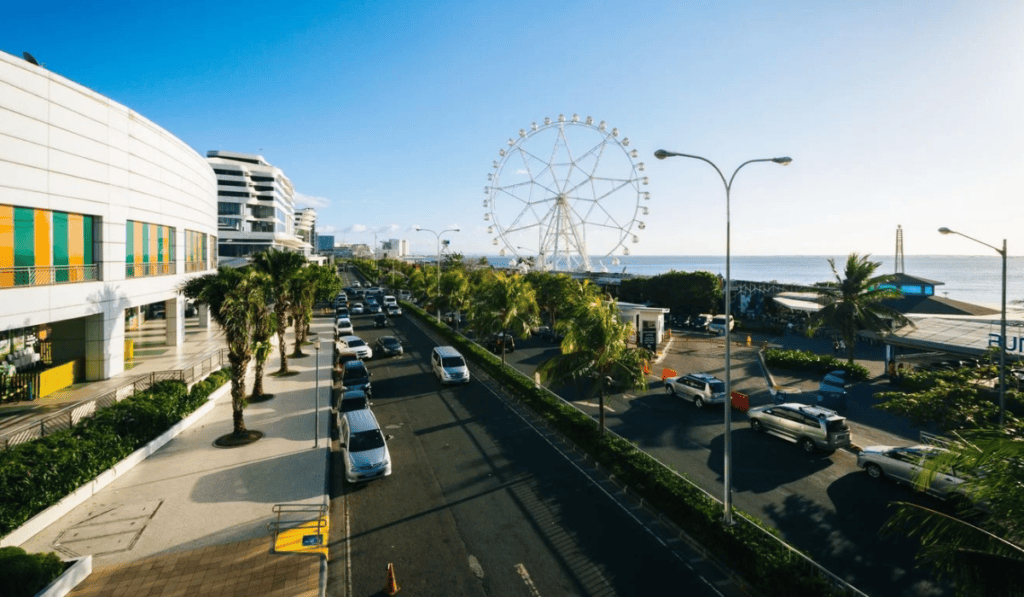
Security measures will be introduced weeks ahead of the arrival of foreign dignitaries. Based on the Metropolitan Manila Development Authority’s announcements, partial restrictions around the PICC and Cultural Center of the Philippines (CCP) Complex will begin on October 24, followed by a full lockdown of the designated summit venues on November 7.
Pasay City is also implementing restrictions affecting public gatherings and activities around the PICC, Roxas Boulevard, and other designated areas. Fun runs, motorcades, processions, and similar events will face temporary permit suspensions from October 24 to November 20.
The extensive suspension of permits will cover five Metro Manila cities: Manila, Pasay, Parañaque, Makati, and Taguig. These measures do not constitute a citywide lockdown of Pasay or the entire National Capital Region. Restrictions apply to specified locations, activities, and security arrangements, with access and movement subject to further advisories from authorities.
For residents and businesses operating near the venues, the coming weeks may require adjustments to deliveries, appointments, public events, and daily travel arrangements.
Security extends beyond summit venues
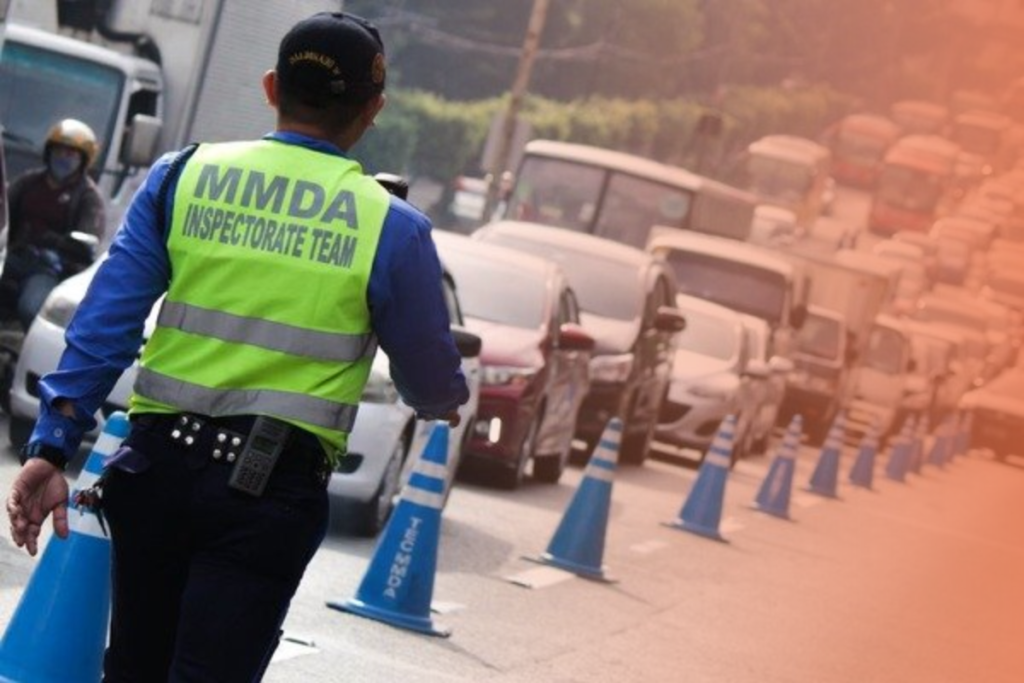
Protecting visiting leaders involves securing not only conference facilities but also hotels, airports, major transportation hubs, and routes used by diplomatic convoys.
The National Capital Region Police Office has intensified coordination with the Armed Forces of the Philippines, MMDA, Department of Tourism, Department of the Interior and Local Government, and other concerned agencies.
Preparations include heightened police visibility, intelligence monitoring, crowd management, emergency response arrangements, and security coverage along designated routes.
The Armed Forces of the Philippines has also confirmed preparations involving surveillance, communications, mobility, and rapid-response capabilities. Specific military deployments will depend on the approved security plan and operational requirements.
Authorities have emphasized the need to maintain security while limiting inconvenience to residents and motorists. With several agencies responsible for different aspects of summit operations, coordination will be essential to keeping both diplomatic activities and everyday city functions moving.
Roadworks suspended as traffic plans intensify
Metro Manila’s already demanding traffic conditions present another challenge for summit organizers, particularly with Undas preparations taking place during the same period.
According to the Philippine Information Agency’s October 23 report, the MMDA and local governments have strengthened traffic and public safety arrangements ahead of both events.
A moratorium on road excavation works will take effect on November 1 and remain in place until midnight on December 23. The suspension is intended to minimize disruptions during the summit preparations and the Christmas season.
Meanwhile, 2,419 MMDA personnel will be deployed specifically for Undas operations from October 24 to November 3, assisting motorists and cemetery visitors. Ambulances, rescue vehicles, traffic rerouting arrangements, and emergency response teams will support the operation.

The overlapping preparations place additional demands on traffic personnel and government agencies, which must accommodate holiday travelers while preparing routes for visiting dignitaries.
Three special non-working days in Metro Manila
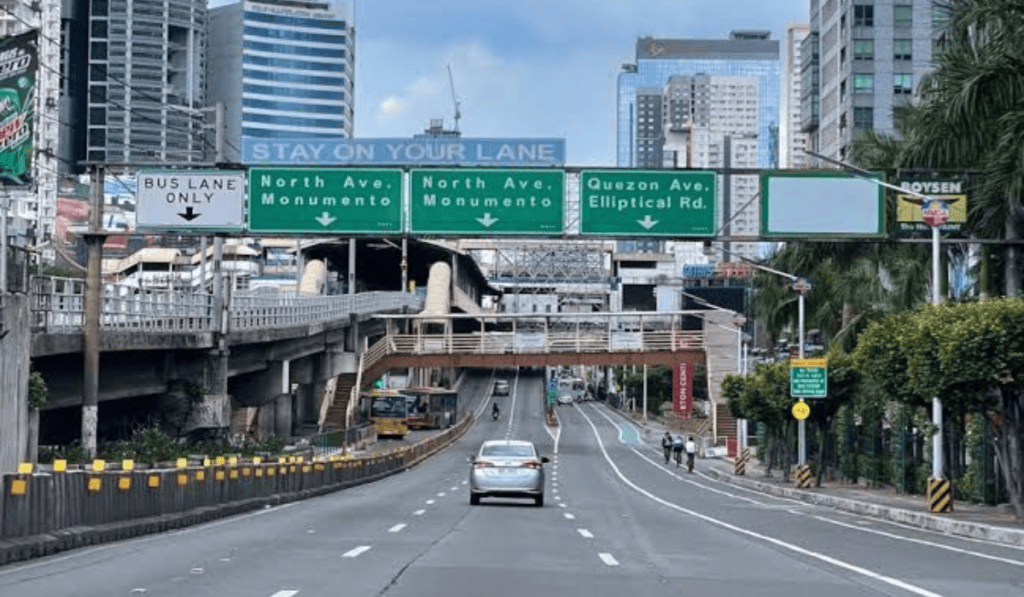
To ease congestion and support security operations, Malacañang has declared November 16, 17, and 18 as special non-working days throughout the National Capital Region.
The three-day declaration is intended to reduce traffic volume and facilitate the movement of summit participants, including foreign leaders and their delegations.
For employees required to report to work, the Department of Labor and Employment has issued corresponding pay guidelines. Workers reporting for duty on these special days are generally entitled to 130% of their basic wage for the first eight hours, with higher premiums applicable under certain conditions.
The holidays do not automatically mean all establishments will close. Businesses, transport operators, and essential services may continue operating, subject to applicable labor regulations and security restrictions.
What residents and travelers should expect
With restrictions beginning weeks before the summit, residents and visitors should anticipate changes in traffic circulation, access to certain public spaces, and scheduling of events in affected districts.
Those traveling through Pasay, particularly around the PICC, CCP Complex, and Roxas Boulevard, should pay close attention to official advisories. Motorists may also encounter adjustments along routes used by diplomatic delegations, although specific road closures and convoy schedules will depend on subsequent announcements.
Travelers with flights, hotel reservations, business appointments, or scheduled activities in Metro Manila during the summit period would benefit from checking transportation and venue advisories in advance.
For the Philippines, the ASEAN Summit represents an opportunity to strengthen diplomatic relationships and advance regional priorities. For Metro Manila, it also presents a test of coordination among national agencies, local governments, and security authorities.
The coming weeks will reveal how effectively the capital can accommodate a major international gathering while keeping disruptions to everyday life manageable.
Related story: Three PH nature spots join ASEAN’s five newest heritage parks
Related story: Inside the renovated PICC: A Filipino architectural landmark restored for the ASEAN Summit