
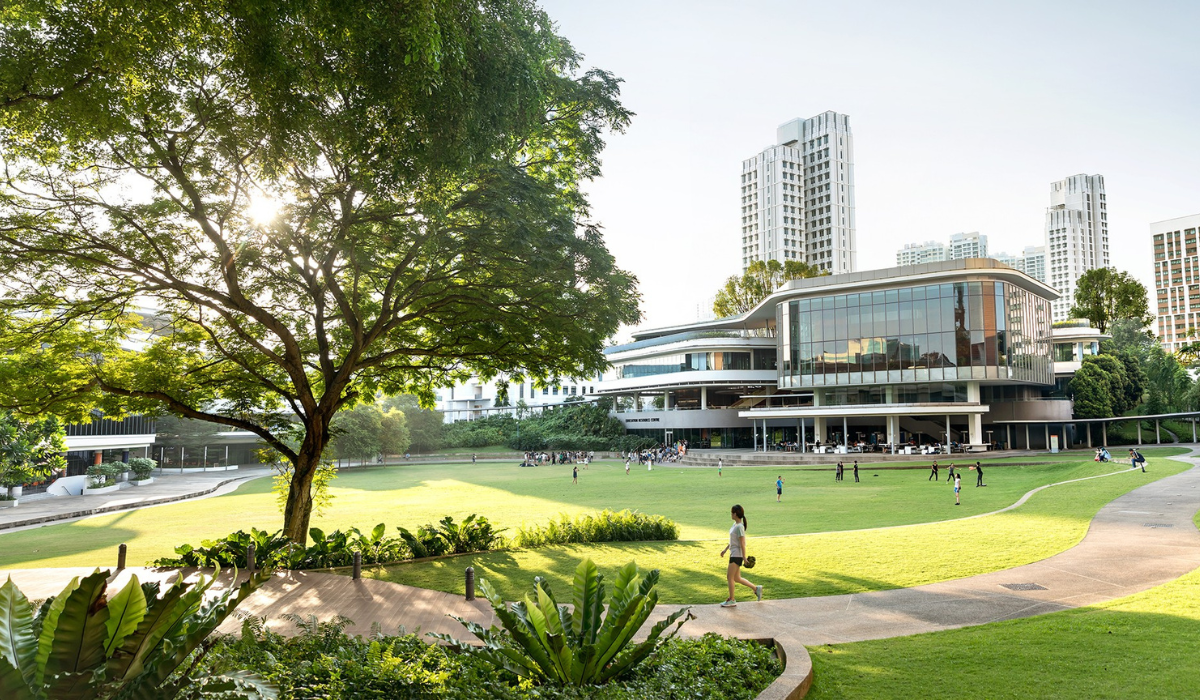

Hong Kong dominates the latest QS Asia University Rankings, while mainland China and Singapore secure the remaining spots. Here’s a closer look at the institutions leading the region.
Asia’s academic elite has a familiar leader, but the competition behind it is shifting. The newly released QS Asia University Rankings 2027 place the University of Hong Kong at the summit for a second consecutive year, followed by Peking University and Tsinghua University, as institutions across the region compete for stronger research credentials, international recognition, and academic influence.
Published on November 3, the latest rankings assessed 1,722 universities across 26 higher education systems. The evaluation considers academic and employer reputation, research performance, faculty resources, and international engagement, among other indicators.
Hong Kong claims five of the top 10 positions, followed by mainland China with three and Singapore with two. Although the same institutions occupied the top 10 in the previous edition, eight changed positions, with Tsinghua University making the biggest leap, climbing from ninth to third. QS
Here are the 10 highest-ranked universities in Asia for 2027, along with the academic disciplines and areas of study for which they are particularly recognized:
1. University of Hong Kong (HKU)
Hong Kong
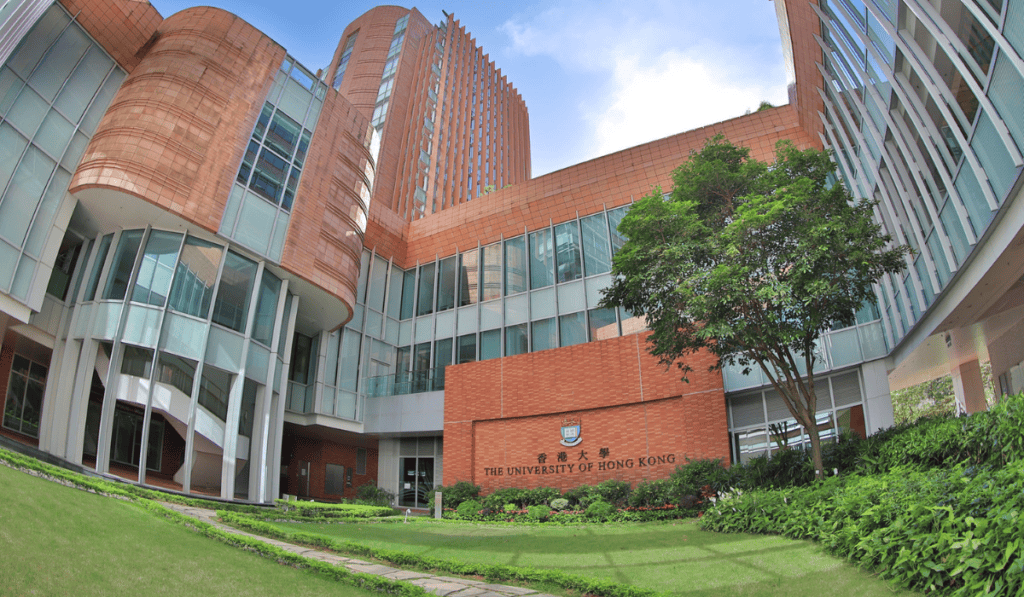
Hong Kong’s oldest university retains its place at the top of the regional rankings, maintaining its reputation for rigorous academics and internationally connected research. Established in 1911, HKU offers a broad selection of programs and maintains academic partnerships with institutions worldwide.
Fields of focus: Medicine, dentistry, law, business and economics, education, and biomedical sciences. Its research also spans public health, artificial intelligence, and sustainability.
2. Peking University
Beijing, China
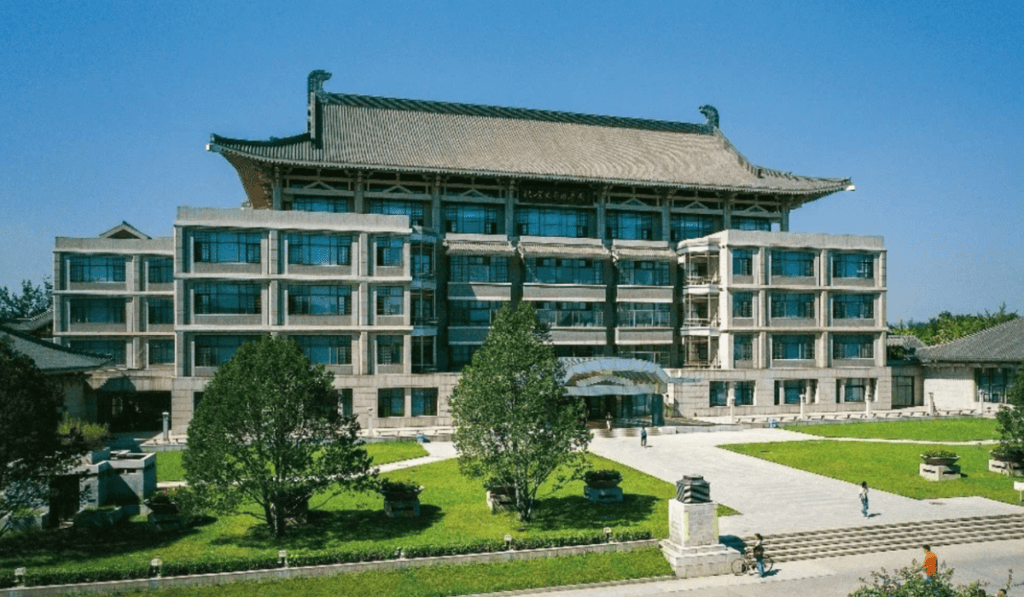
One of China’s most prestigious institutions, Peking University holds second place for another year. Founded in 1898, the university has played an influential role in the country’s intellectual and scientific development, combining a strong liberal arts tradition with extensive research programs.
Fields of focus: Humanities, philosophy, economics, political science, mathematics, physics, and computer science. Its medical and life sciences programs are also prominent areas of research.
3. Tsinghua University
Beijing, China
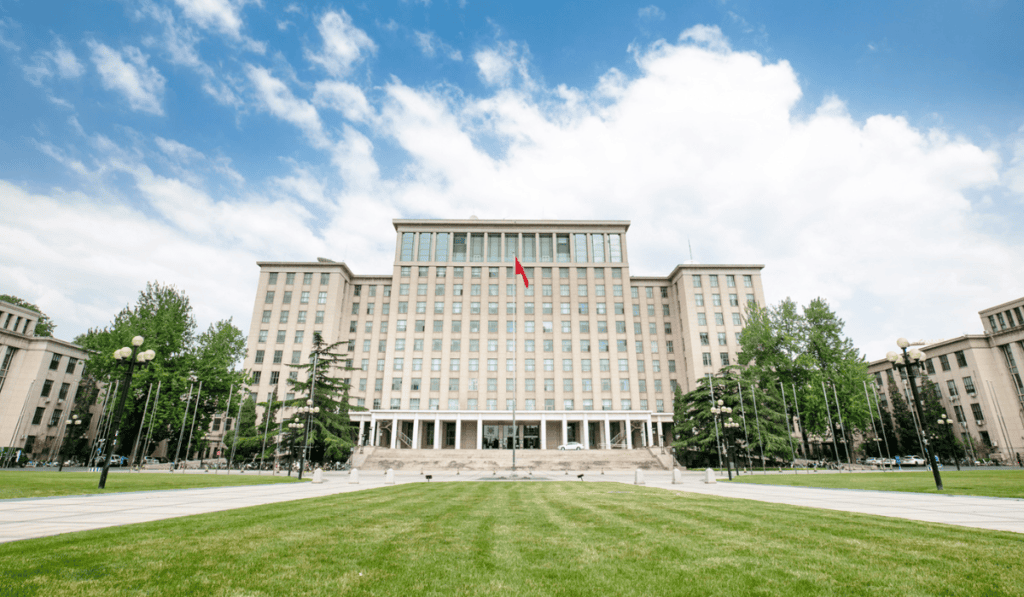
Tsinghua University records the strongest improvement among Asia’s top 10, advancing six positions from ninth place in 2026. Its longstanding emphasis on engineering and scientific innovation has helped establish the institution as an important center for technological research and interdisciplinary education.
Fields of focus: Engineering, computer science, artificial intelligence, architecture, materials science, and environmental technology. The university also offers established programs in economics, management, and public policy.
4. City University of Hong Kong (CityUHK)
Hong Kong
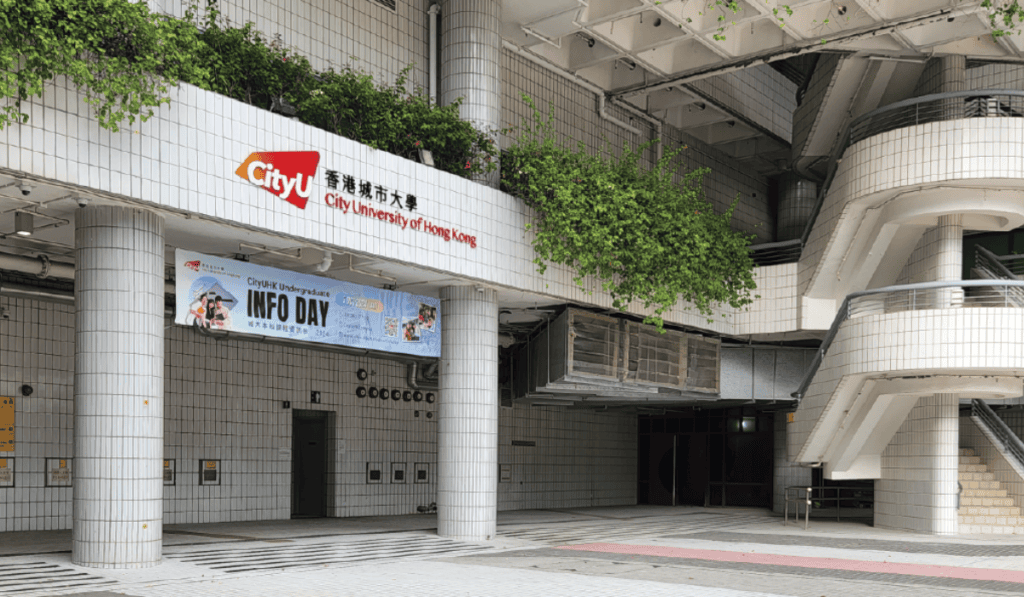
Rising from joint seventh to fourth place, CityUHK has established a strong position in applied research and technology-driven education. Its interdisciplinary approach connects scientific research with industry applications, particularly in fields associated with emerging technologies and advanced materials.
Fields of focus: Materials science, engineering, computer science, business, veterinary medicine, and creative media. Artificial intelligence and data science are also important components of its academic portfolio.
5. The Chinese University of Hong Kong (CUHK)
Hong Kong
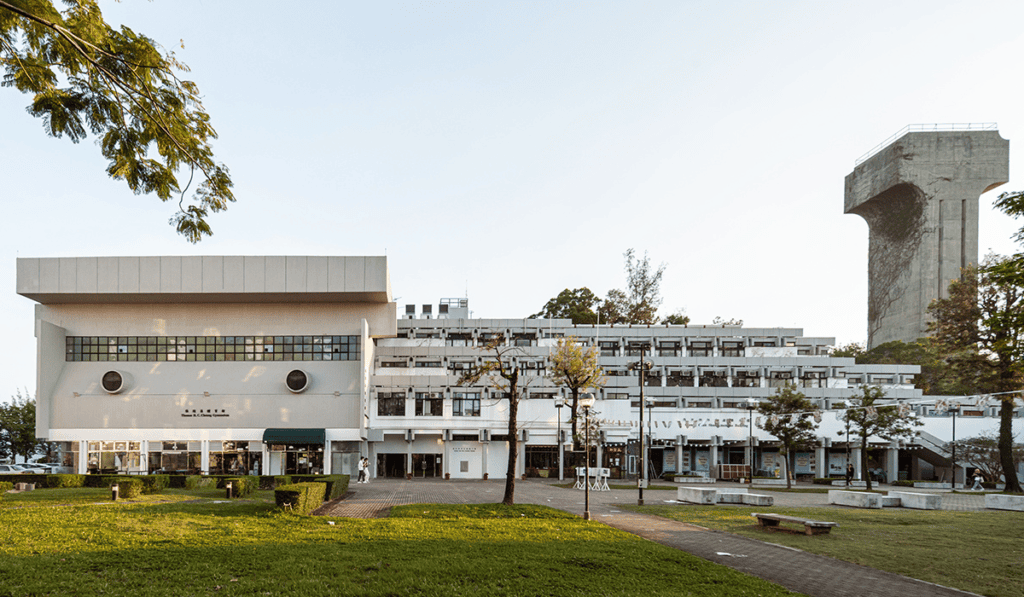
CUHK moves into fifth place, continuing its strong performance in research and international education. Established in 1963, the university is distinguished by its collegiate system and bilingual academic environment, with teaching and research spanning traditional disciplines and emerging scientific fields.
Fields of focus: Medicine, business administration, economics, information engineering, artificial intelligence, and Chinese studies. Biomedical research and public health are among its established research strengths.
6. Fudan University
Shanghai, China
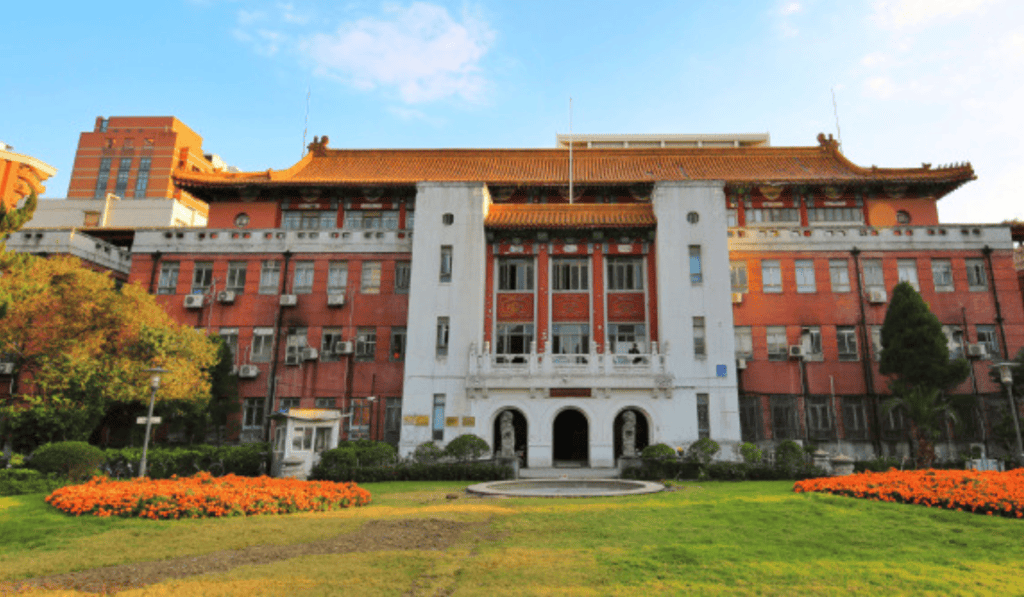
Shanghai’s Fudan University shares sixth place with the National University of Singapore. Founded in 1905, Fudan is recognized for its comprehensive academic offerings, extensive research programs, and contributions to China’s scientific and intellectual development.
Fields of focus: Medicine, life sciences, economics, international relations, journalism, and management. Its research strengths also include chemistry, physics, and interdisciplinary scientific studies.
7. National University of Singapore (NUS)
Singapore
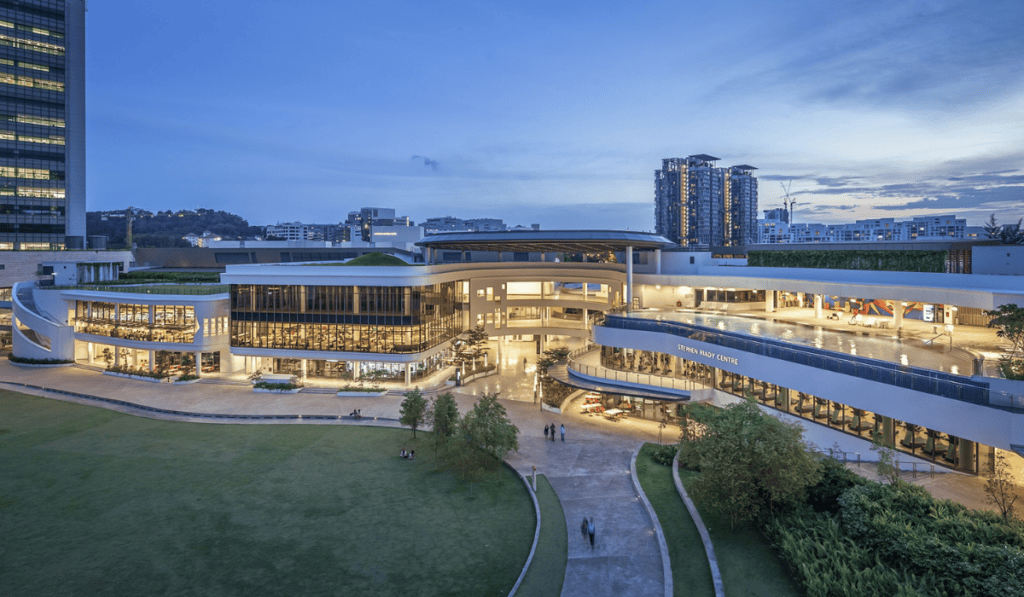
Singapore’s flagship university shares sixth place after ranking joint third in the previous edition. NUS remains internationally recognized for its comprehensive research ecosystem, multidisciplinary academic programs, and close connections with technology, business, and industry.
Fields of focus: Engineering, computer science, medicine, business, law, and environmental sciences. Its research activities also encompass artificial intelligence, quantum technologies, and sustainable urban development.
8. Nanyang Technological University (NTU Singapore)
Singapore
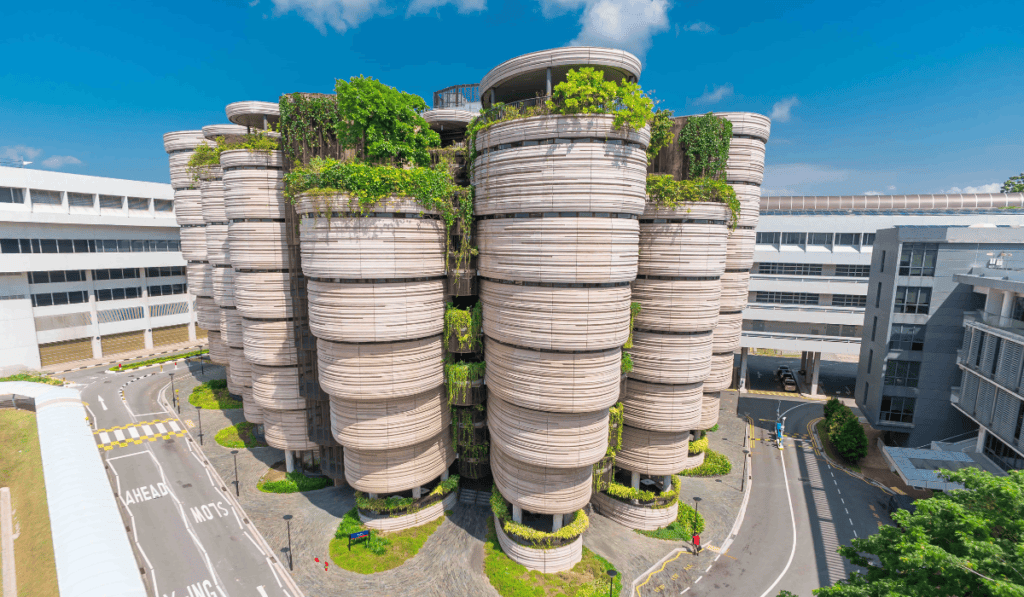
Known for its distinctive campus architecture and research-intensive programs, NTU places eighth in the 2027 rankings. The university has developed a strong international reputation in engineering and technology, supported by collaborations with industry and research organizations.
Fields of focus: Engineering, materials science, computer science, artificial intelligence, communication studies, and environmental sciences. Its academic portfolio also includes business, education, and medicine.

9. The Hong Kong Polytechnic University (PolyU)
Hong Kong
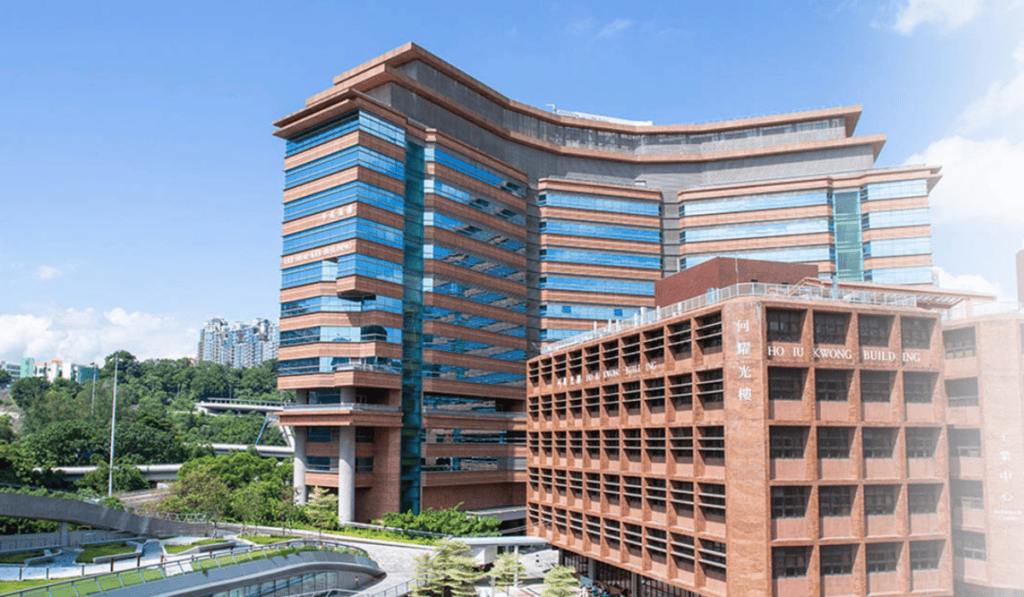
PolyU advances from tenth to joint ninth place, reflecting its established standing in applied sciences and professional education. The university emphasizes research with practical applications, particularly in disciplines connected to industry, design, healthcare, and urban development.
Fields of focus: Hospitality and tourism management, design, engineering, nursing, rehabilitation sciences, and construction. Its research also extends to smart cities, textiles, and sustainable technologies.
10. Hong Kong University of Science and Technology (HKUST)
Hong Kong
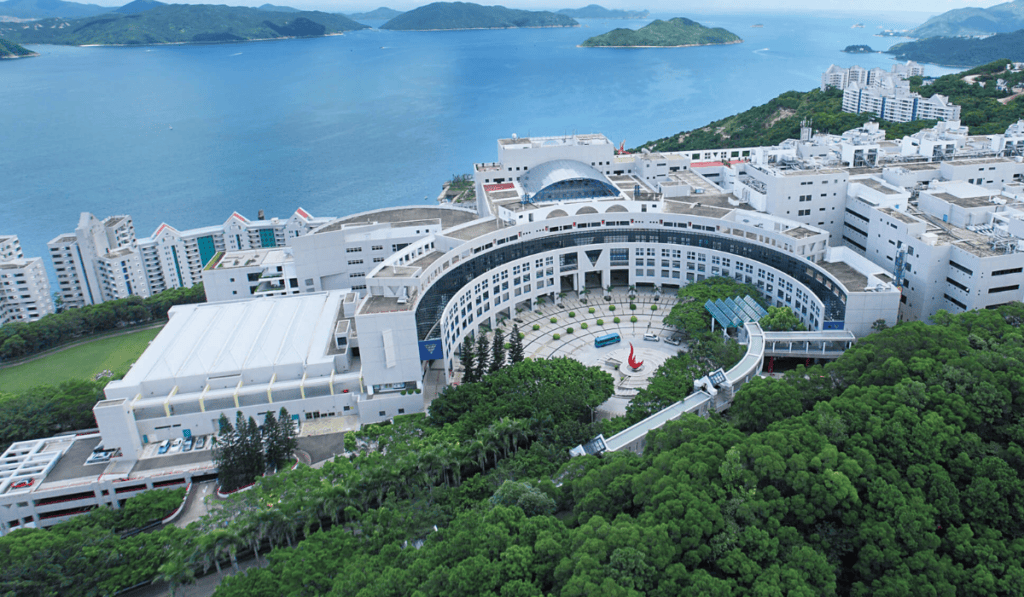
Completing the top 10 is HKUST, which shares ninth place with PolyU. Founded in 1991, the university has built an international profile in science, engineering, business, and technology, with particular emphasis on research commercialization and entrepreneurship.
Fields of focus: Computer science, electronic engineering, business and management, physics, chemistry, and data science. Artificial intelligence, robotics, and financial technology are among its areas of research and innovation.
The latest rankings illustrate the concentration of Asia’s leading universities in three higher education systems, with Hong Kong securing half of the top 10. Mainland China’s rise, particularly Tsinghua University’s six-place improvement, also highlights the evolving competition among the region’s most established academic institutions.
For prospective students considering an education abroad, the rankings offer a useful starting point, although academic specialization, program quality, research opportunities, and individual career goals remain important considerations when choosing a university.
How did Philippine universities fare in the QS Asia University Rankings 2027?
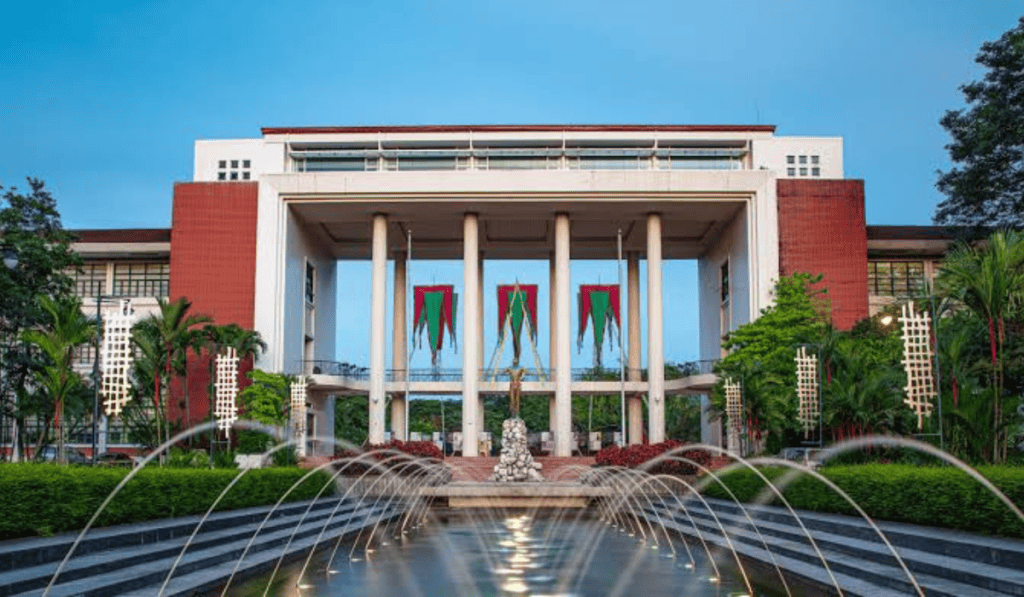
The University of the Philippines (UP) remains the country’s highest-ranked institution in the QS Asia University Rankings 2027, placing 123rd in the region, down from 104th the previous year. Ateneo de Manila University follows in 151st place, slipping from 141st. Both institutions remain the Philippines’ only representatives among Asia’s top 200 universities.
The University of Santo Tomas (UST) secured third place nationally at 202nd in Asia, followed closely by De La Salle University (DLSU) at 204th. Meanwhile, Mapúa University completes the country’s top five, climbing from 544th to 494th in the regional rankings.
Overall, 45 Philippine universities earned places in the 2027 rankings, including 10 new entrants. While the expanded representation reflects broader participation in the regional assessment, most previously ranked institutions experienced declines, highlighting the challenges Philippine universities face in keeping pace with their Asian counterparts.
Related story: Global grants guide: 5 government-funded scholarships for Filipinos
Related story: Asia is calling: National Geographic’s best places to visit in 2027 deserve a spot on your travel calendar