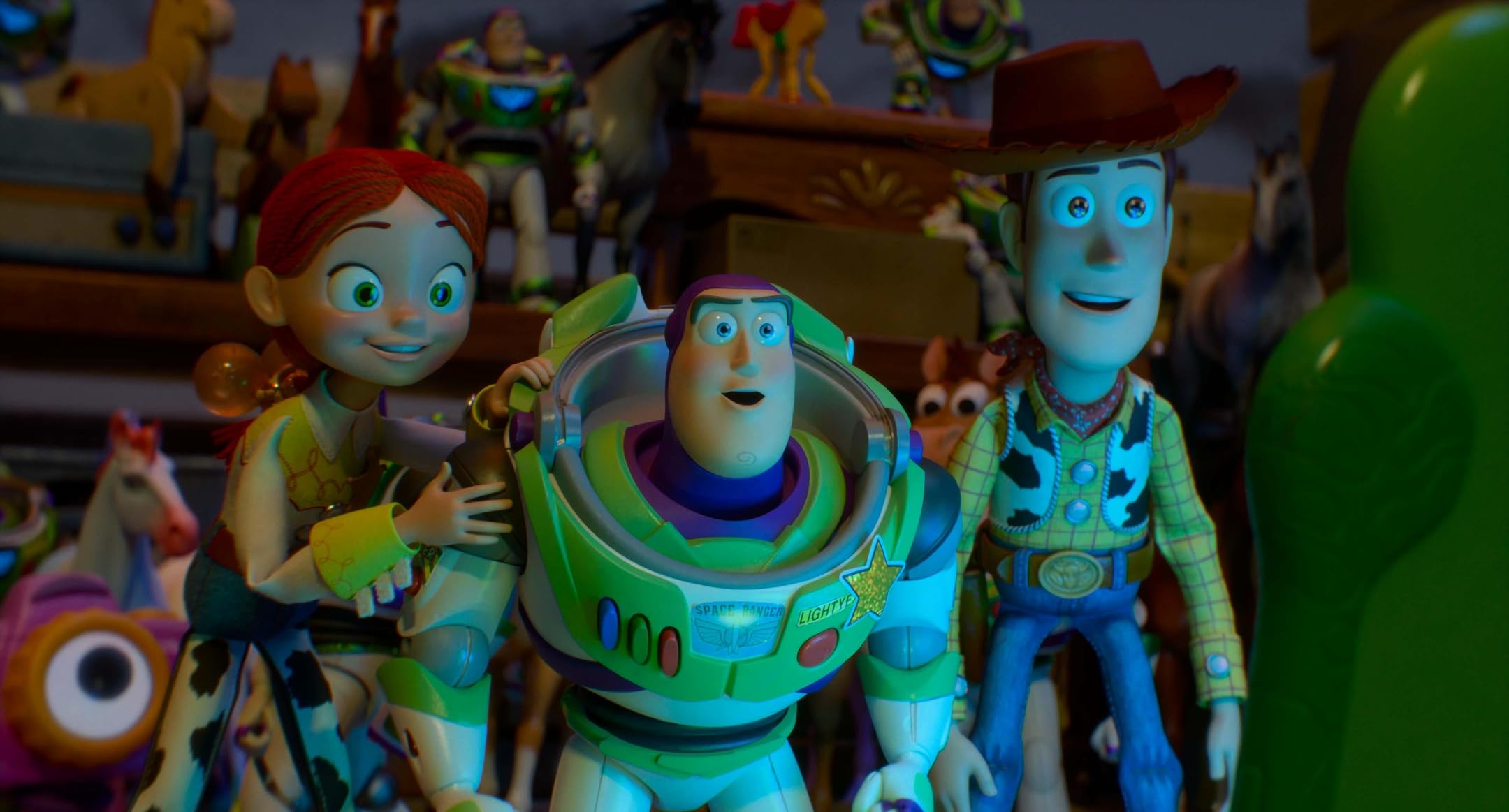

Unlike younger generations who grew up entirely online, millennials occupy the space between Andy’s analog childhood and Bonnie’s digital world.
Toy Story began with Woody and Buzz learning that change does not have to mean being replaced. The second movie explored what it means to be loved, kept, or forgotten. Toy Story 3 arrived just as many of us were heading to college and learning how to let go, while Toy Story 4 gave Woody a life beyond being Andy’s toy. Now, the fifth installment arrives at a time when childhood looks very different from the one Andy, and most of us, knew.
This time, the threat is not a toy collector, a destructive kid next door, or the uncertainty of being outgrown.
It’s a screen.
Spoiler Warning: You’ve been warned, partner. If you’re planning to watch spoiler-free, bookmark this and come back after your trip to the theater.
Related story: Taylor Swift joins ‘Toy Story 5’ with new original song ‘I Knew It, I Knew You’
Related story: Pop culture transformers: Inside Japan’s world of toys
A childhood caught between toys and technology
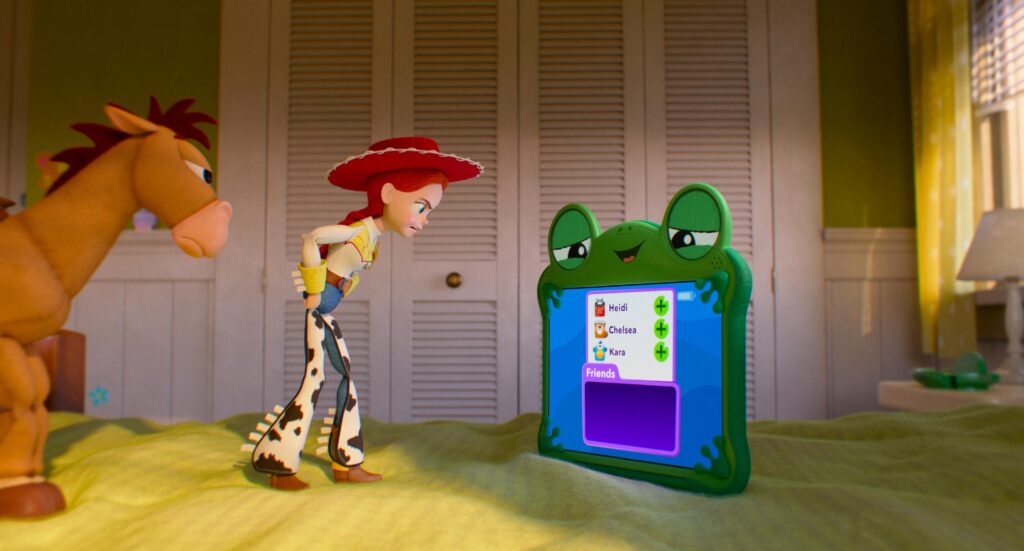
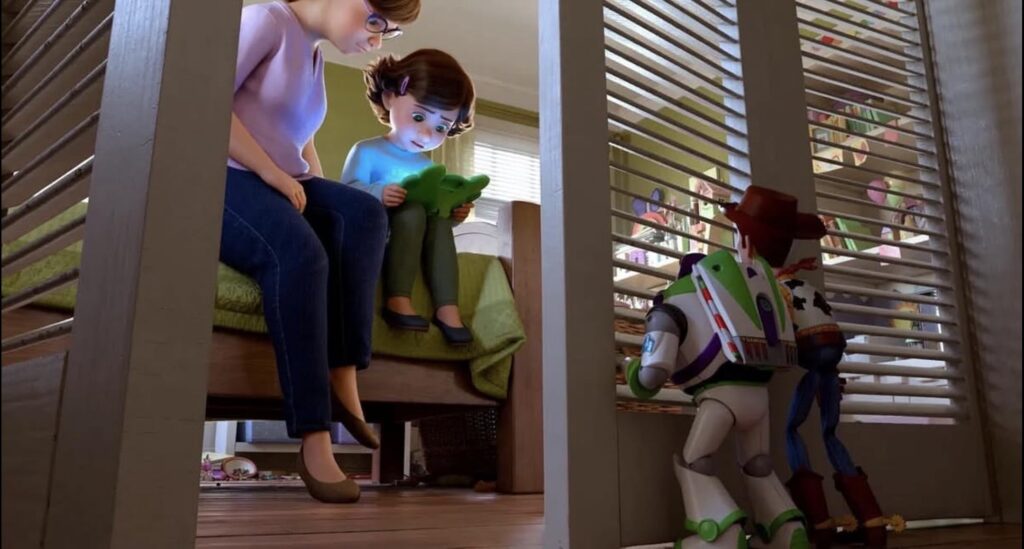
Toy Story 5 follows Bonnie as she begins spending more time with a new device called Lilypad, a tablet designed to help children learn, communicate, and make friends. As Bonnie becomes increasingly attached to the device, Jessie, Buzz, Woody, and the rest of the toys struggle to understand where they fit into a childhood that looks very different from the one they knew.
When Jessie and Bullseye become separated from Bonnie, they eventually find themselves at the ranch that once belonged to Emily, Jessie’s first owner. There, they meet Blaze, an energetic young girl whose love for play reminds Jessie of what being a toy is really about. Along the way, the toys encounter a mix of older tech toys and newer digital devices, forcing them to confront a question that sits at the heart of the film—can imagination survive in a world increasingly shaped by screens?
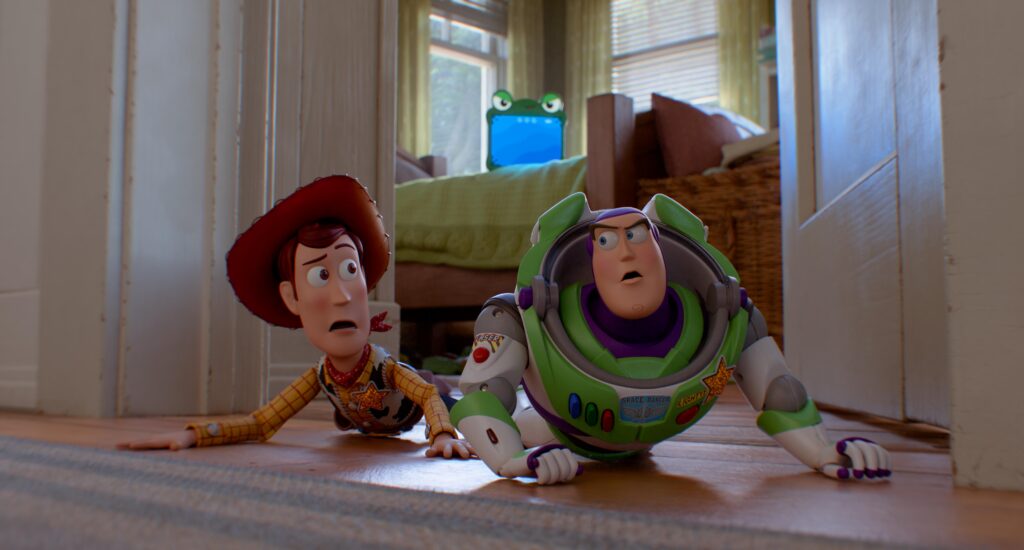
Jessie finally gets her moment
While Bonnie’s relationship with technology drives the plot, the emotional heart of the film belongs to Jessie. Watching Bonnie slowly outgrow her toys forces Jessie to relive the pain she experienced with Emily, the little girl who once loved her before eventually giving her away.
At first, Jessie sees history repeating itself.
But Toy Story 5 takes that familiar heartbreak and gives it a surprisingly mature conclusion. Jessie eventually realizes that growing up is not the same as forgetting. Children change. Their interests change, but that doesn’t erase the love that came before.
Related story: From Trolls to Labubu dolls: 10 iconic toys we were obsessed with over the last 30 years
Related story: Gen Z grew up online—now we’re tired of being perceived
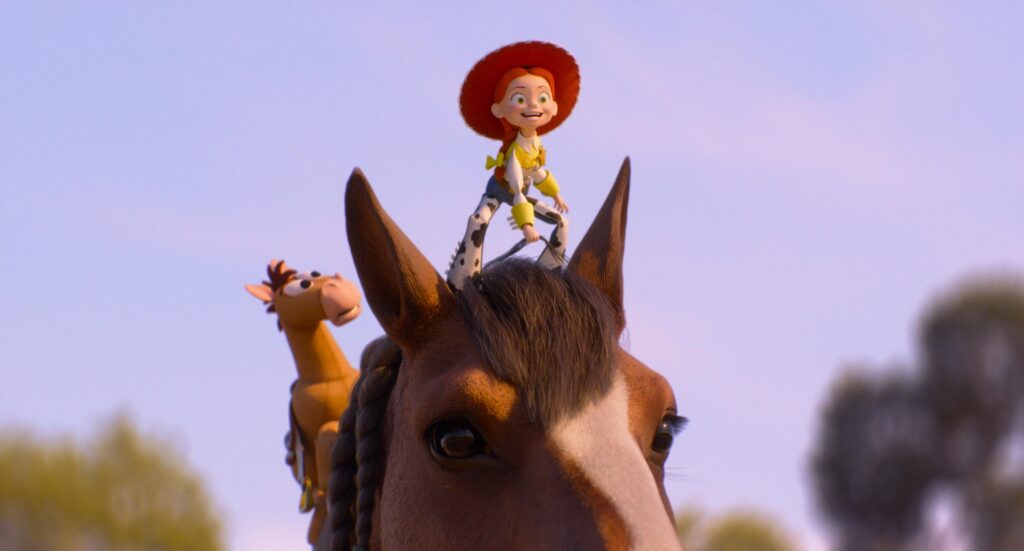
The movie’s most touching idea comes from Emily herself. Years after parting with Jessie, Jessie finds out that she named her daughter after her. It’s a simple detail, but it completely reframes Jessie’s fear. Emily never stopped loving her. Jessie became part of her story, even after playtime ended.
That part also echoes one of the franchise’s most emotional moments: Andy giving Woody and his toys to Bonnie. Andy wasn’t abandoning them. He was passing on something he loved.
Why millennials may connect with this the most
Many millennials grew up during the transition between physical and digital childhoods. We played with dolls, action figures, toy soldiers, and stuffed animals before spending our afternoons on computers, game consoles, and eventually smartphones.
I remember exactly what that shift felt like. One day my toys were taking over entire corners of our house alongside my broken crayons and sketches. Next, I was spending hours playing Mario and Tekken and slowly forgetting about the worlds I used to create.
Unlike younger generations who grew up entirely online, many millennials understand both sides. We know the joy of imaginative play, but we also understand the appeal of technology. We are the bridge between Andy’s childhood and Bonnie’s.
The movie isn’t anti-tech
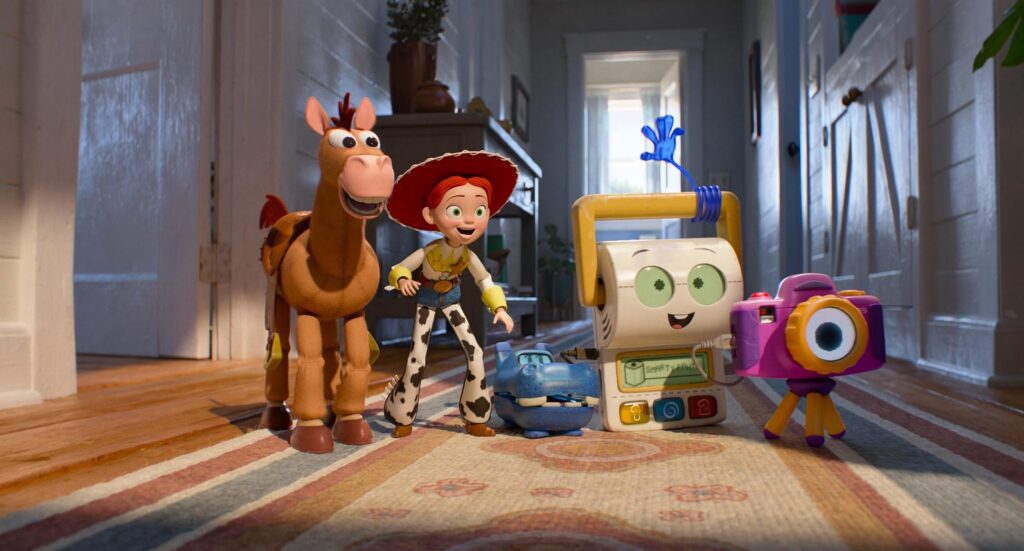
Thankfully, Pixar avoids turning this into a simple “screens are bad” story. Technology isn’t presented as the villain. The real issue is balance.
The film argues that while tablets, games, and online communities can be valuable, they shouldn’t completely replace creativity, imagination, and face-to-face connection.
As someone with younger cousins, nieces, and nephews, I often find myself buying board games, picture books, building blocks, art kits, and toys alongside whatever digital gifts they want. Not because technology is harmful, but because I worry that many kids are losing the chance to simply play, imagine, and create worlds on their own.
Play teaches children how to tell stories. It teaches creativity, empathy, problem-solving, and imagination. I know because I was that kind of kid. Play taught me to think beyond what was in front of me. A Barbie doll did not have to stay a Barbie doll. She could be a ninja, a spy, or the main character of whatever story I wanted to tell that afternoon.
Related story: Are screens taking over our lives?
Related story: What’s an analog bag? The low-tech trend taking over totes

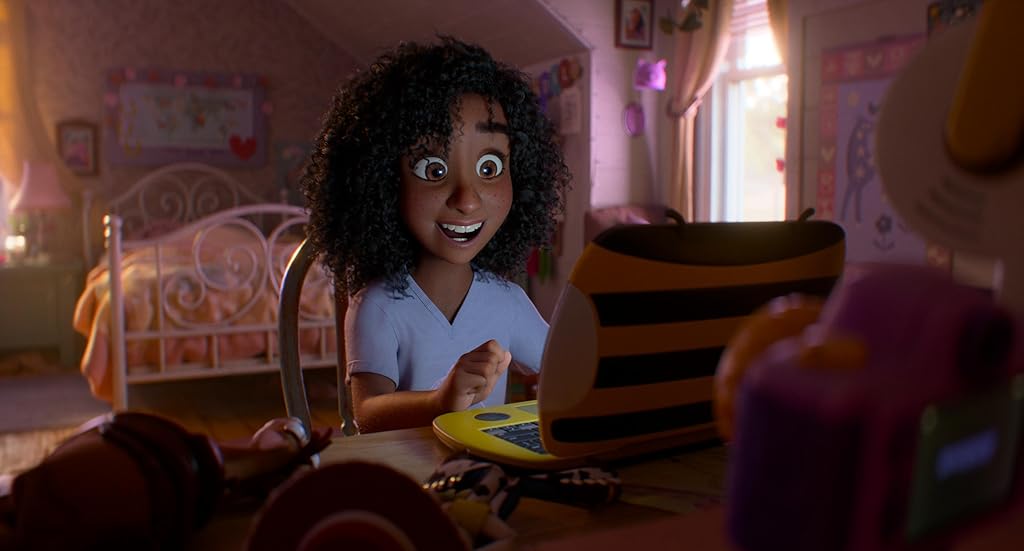
Toy Story 5 understands childhood from multiple perspectives
Kids will see themselves in Bonnie. Parents will recognize the struggle of managing screen time. Most millennials will likely see pieces of themselves in both the toys’ past and Bonnie, remembering what it was like to grow up during a time when toys slowly gave way to technology.
But do take note, the film never argues that we should go backward. Instead, it reminds us that even in a world filled with tablets, apps, AI, and endless digital distractions, there is still value in sitting on the floor, picking up a toy, and creating a world out of nothing.
That’s something worth remembering, no matter how old we are.
Toy Story 5 is now showing in Philippine cinemas. The film opens in U.S. theaters and worldwide on June 19, 2026.
Related story: Heads up, millennial parents: Here are 2026’s must-have toys to keep children entertained
Related story: Why adults can’t stop collecting toys: The rise of designer figures and the blind box hype