


Many people spend their lives building someone else’s vision. Is it wise to give so much of yourself to another person’s ambition?
Terror bosses. 16-hour workdays. Non-existent weekends. Unpaid leaves.
In a competitive world, these are common workplace realities. In older generations, this was par for the course. But the question is as old as organized labor: how much of yourself should you give to someone else’s dream?
This dilemma is sharper where one person’s ambition heavily depends on other people’s sweat and tears—nowhere more so than in fine-dining kitchens.
Difficult workplaces
In high-pressure kitchens, line cooks, prep staff, and dishwashers turn a chef’s vision into reality. While the pursuit of culinary perfection can boost a restaurant’s reputation, this sometimes relies on abusive management and unrewarding labor.
Behind the glamour and glowing reviews, toxic workplaces in fine dining often hide behind the language of excellence, discipline, and “high standards.” In reality, some kitchens normalize humiliation, punishing hours, and fear-based management, where staff are pushed to perform under constant pressure rather than supported to help them thrive and be at their best.
Sadly, you would not be too hard-pressed to find examples.
Related story: If food is memory, why do other people’s opinions matter?
Related story: Can restaurants reject their Michelin stars? These chefs did—and here’s why

In March, René Redzepi, the chef and co-founder of the acclaimed restaurant Noma, faced allegations that he fostered a toxic workplace marked by verbal abuse, mortification, and, in some accounts, physical mistreatment of staff over many years.
Reports describe a kitchen culture built on unrelenting pressure, unpaid or underpaid labor, and intimidation. Backlash ensued after former employees spoke publicly and a New York Times investigation revived the claims, leading Redzepi to step away from the restaurant’s operations. The Denmark-based restaurant had been preparing for a Los Angeles residency when corporate sponsors pulled out after the abuse claims and protests outside the pop-up location.
The New York Times reported on June 10, however, that Noma will reopen in Copenhagen on August 5, with Redzepi as creative director.
A recent controversy hit closer to home. Earlier in July, reports surfaced about former employees alleging that Manila’s celebrated Toyo Eatery required long hours, sometimes without proper overtime pay, and in some cases operated without clear written contracts.
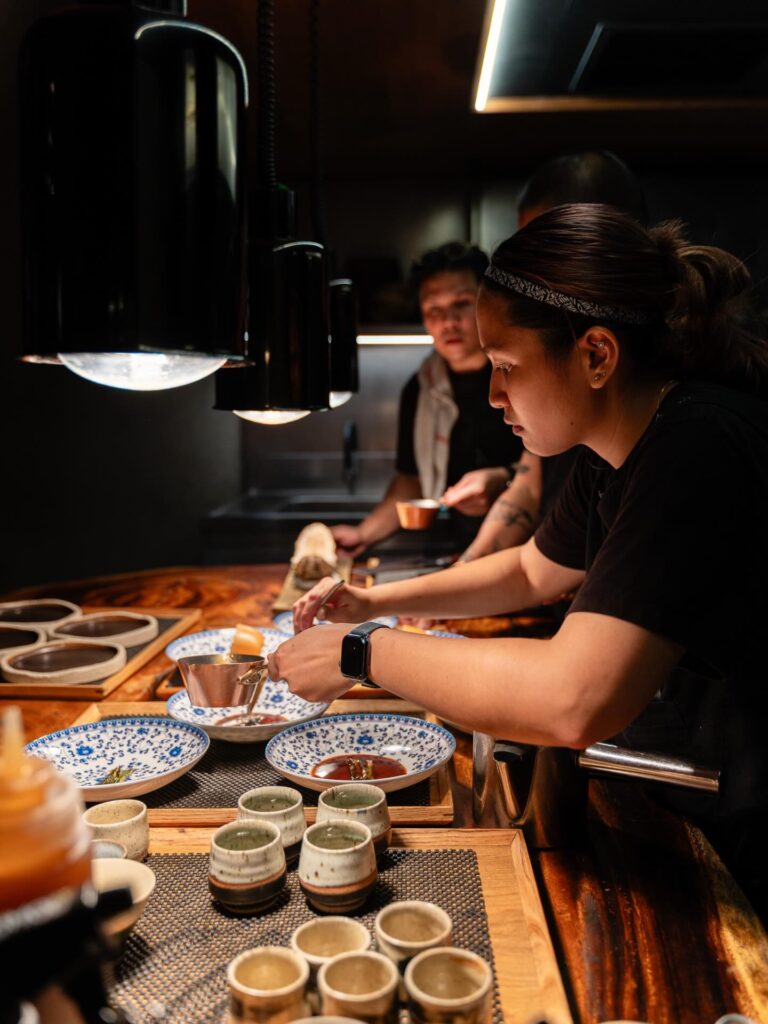
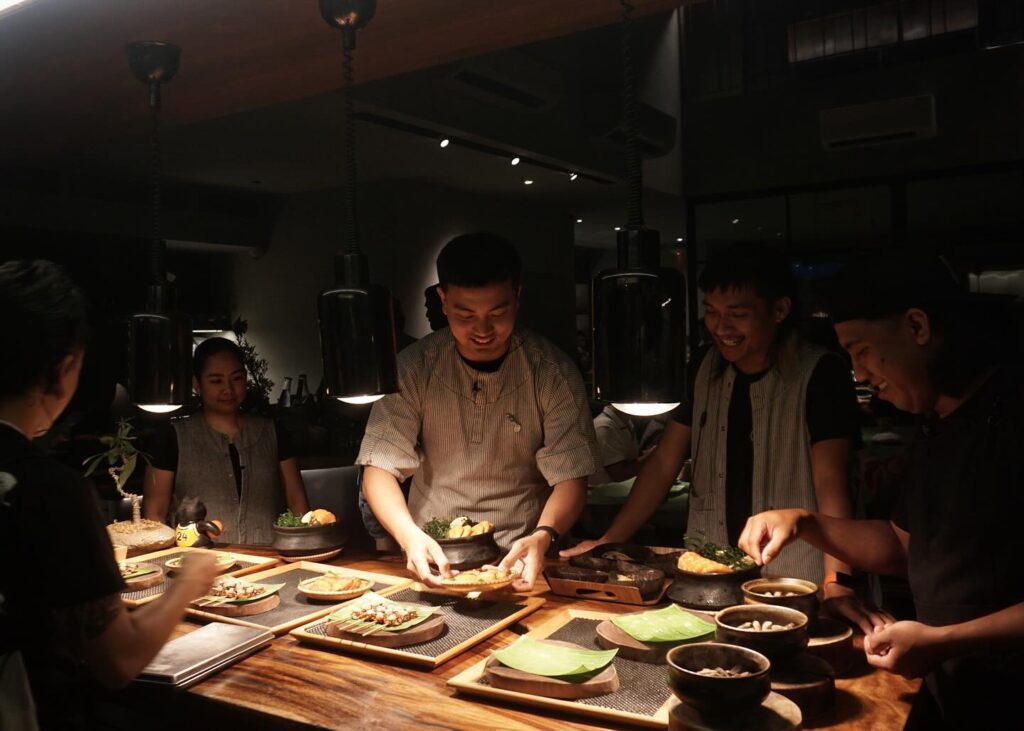
Reports also raised concerns about limited transparency around wages, benefits, leave, and even possible pressure tactics tied to resignation.
The Michelin-starred establishment has strongly denied the allegations, saying it has complied with Philippine labor laws and that its workplace is built on fairness and respect. The restaurant also said it cooperated with inspections by the Department of Labor and Employment, which reportedly found no occupational safety violations. Some aspects of the dispute, however, are still being reviewed.
As of writing, the allegations remain disputed. Toyo Eatery continues to deny any violation of Philippine labor laws, saying it has complied with all regulations and that it prioritizes the well-being of its team.
When working in a high-pressure workplace is beneficial
In many workplaces, not just in the restaurant industry, people spend their time and energy helping build a vision that is not their own. The question is whether it is wise to give so much of yourself to fuel another person’s dream.
At its best, this kind of work can be worthwhile. A high-performing kitchen under the leadership of gifted chefs, for example, can offer invaluable training and experience. It can sharpen your skills, widen your network, and open doors to more opportunities. Effort is not wasted, because it contributes to both the chef’s success and your growth.
Related story: From FOMO to JOMO: Why I find joy in protecting my peace
Related story: After years of telling us to buy, buy, buy, the internet is having second thoughts

This is echoed by Ryan Bergunio, a chef, in his comment on an ABS-CBN Facebook post about the Toyo Eatery issue. “There are no shortcuts in this profession, he writes. “You earn your skills through adversity, perseverance, discipline, consistency, and countless hours of hard work. Every real chef understands that.”
Bergunio goes on to say that “many people” cannot make it in the restaurant industry, adding that it “demands resilience, discipline, and the willingness to keep showing up, even when no one sees the sacrifices behind the scenes.” He wishes he “had done even more,” because that is how much he values learning.
For Bergunio—and perhaps for some of you—the knowledge and skills honed in high-stress workplaces are worth the 16-hour workdays, occasional humiliation, and frayed nerves.
…and when it’s not
On the flipside, there is a fine line separating commitment and exploitation. When long hours, pressure, and sacrifice are not complemented by fair pay, genuine respect, and real opportunity, the arrangement becomes questionable. If the pros skew toward only one party, then you have to start questioning if your efforts are still worth it.
Netizens were quick to weigh in on Bergunio’s Facebook comment, with some agreeing with him, but more calling him out on “glorifying” toxic workplaces. A user with the name John Lancaster said that a “glorified toxic work lifestyle with peanuts for pay” is already “outdated and is no longer viable in this economy.”

Another user, Marlene Cabahug, asked Bergunio if it isn’t “also right and legal to pay workers the right salary and for overtime rendered,” adding that excessive extended hours will compromise their health and quality of output. “You can say that again, since you are paid well, Sir. With the hard times in our country, that is actually slave driving and abuse, especially to those who are in dire need of a job,” she adds.
No dream is worth pursuing if it requires constant humiliation or burnout from the people helping to make it possible. A workplace should challenge its workers and be a venue for growth, but not at the expense of their dignity.

This is why you must be careful about where (and to whom!) you allot your time and energy. You should ask whether or not the job is helping you grow, whether the environment is healthy, and whether the sacrifice is temporary or just part of an endless, vicious loop.
If the experience leads you somewhere meaningful or if it helps you get closer to your own dreams, then it may be worth it. If not, then you may simply be giving too much for someone else’s ambition.
Related story: Reverse retirement: The midlife pause millennials are pursuing
Related story: Did millennials follow their dreams after all?
Related story: Not into lamb? This Michelin-selected Makati restaurant might change your mind
Practical takeaways
For workers: Be clear about what you want to gain. Set specific, time-bound goals, and track whether compensation and learning match the effort you are expending.
Per the Harvard Business Review, setting goals is a “deeply meaningful exercise.” It motivates us, gives us a sense of purpose, and helps us feel accomplished.
You should also know your rights as a worker. The Labor Code of the Philippines sets out a broad framework of rights designed to protect workers in terms of employment security, wages, working conditions, and collective representation.
Lastly, it’s always a good idea to have an exit plan.
For leaders: Demand excellence through respect and dignity, not humiliation. Reward extra effort with fair compensation and clear advancement paths.
According to an article on Forbes, dignity and respect are two sides of the same coin. A dignified leader commands respect, not by power or intimidation, but by character. This type of leadership can inspire the whole team, building a supportive atmosphere.
For both: Recognize when sacrifice leads to growth versus when it is already exploitative. Respect and reciprocity should be non-negotiable.

Finding that elusive balance
Putting energy into someone else’s ambition can be rewarding when it’s reciprocal and purposeful, especially if it also helps bring you closer to realizing your own dreams.
When it’s exploitative, step back, review your job description, renegotiate terms, or move on. Your labor has value—YOU have value! Make sure you earn the respect, skills, and compensation you deserve.
In the end, a meaningful workplace benefits both you and your leaders. When that balance exists, supporting someone else’s dream can be a worthwhile chapter in your own journey.
When it does not, it may be time for you to step away and hand in that resignation letter.