
Some restaurants become institutions not because they’re trendy, but because they’ve earned people’s trust over the years. Ogawa has long been one of those places.
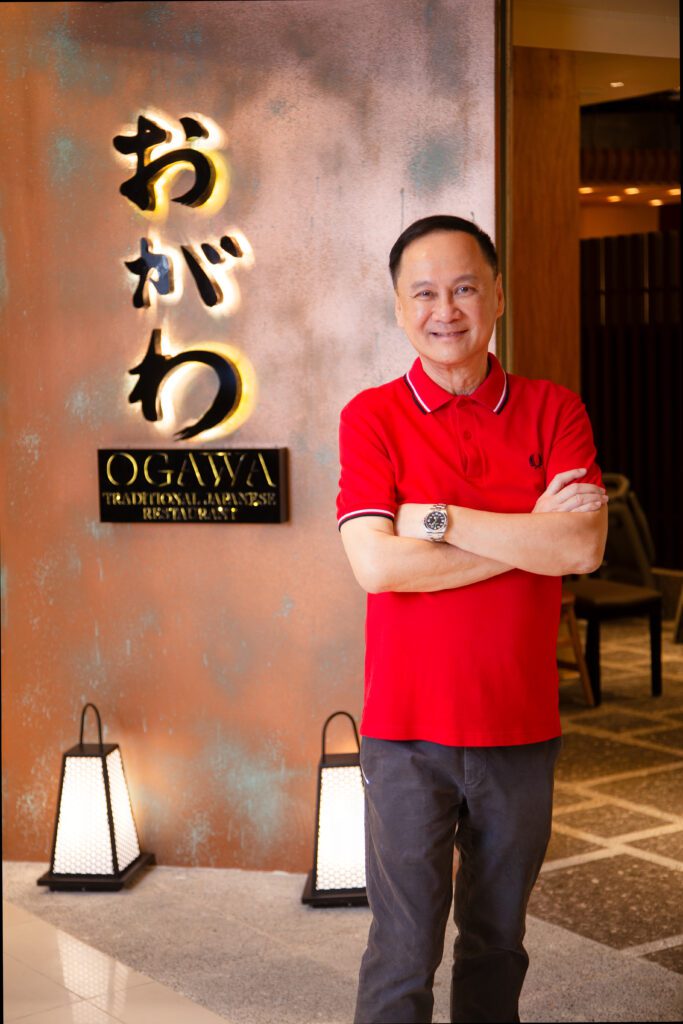
When I recently visited its newly reopened home in Park McKinley West, what struck me wasn’t just the food on the table—it was how effortlessly the restaurant transported diners into a slower, more intentional style of Japanese dining. In a city where restaurant openings often chase the newest food trend or the most “instagrammable” interiors, Ogawa Traditional Japanese Restaurant instead leans into something more enduring: authenticity.
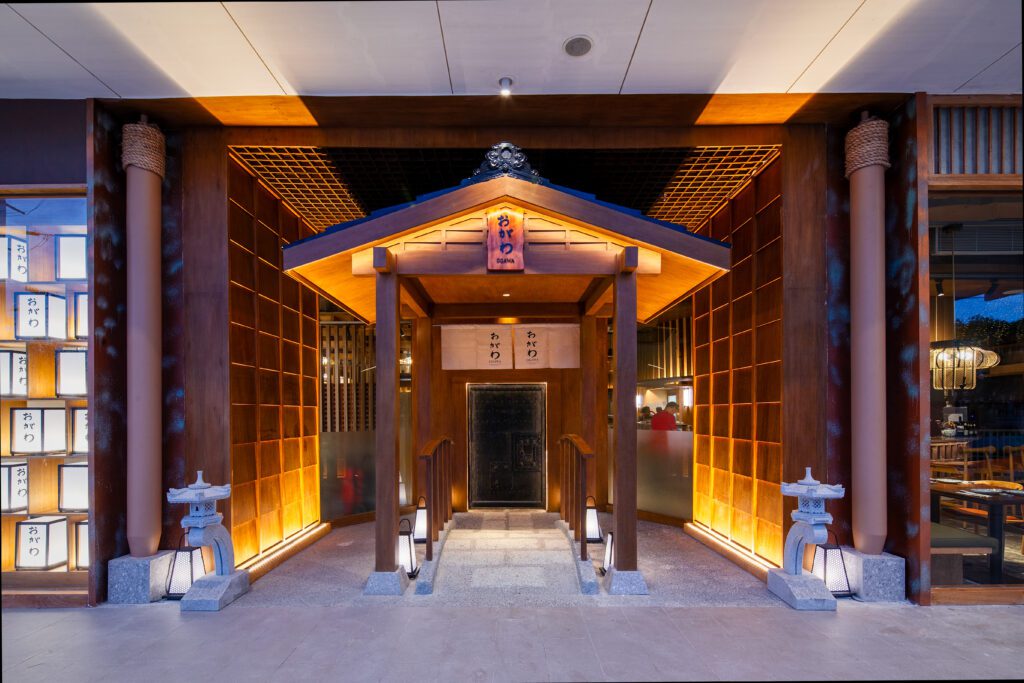
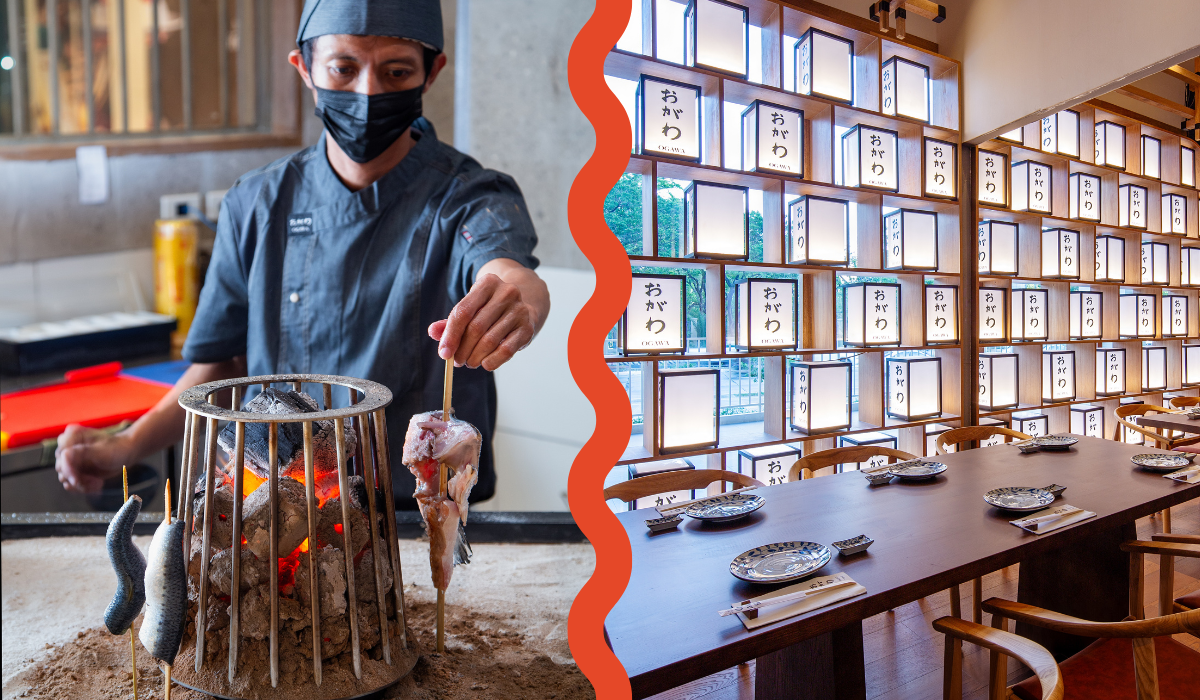
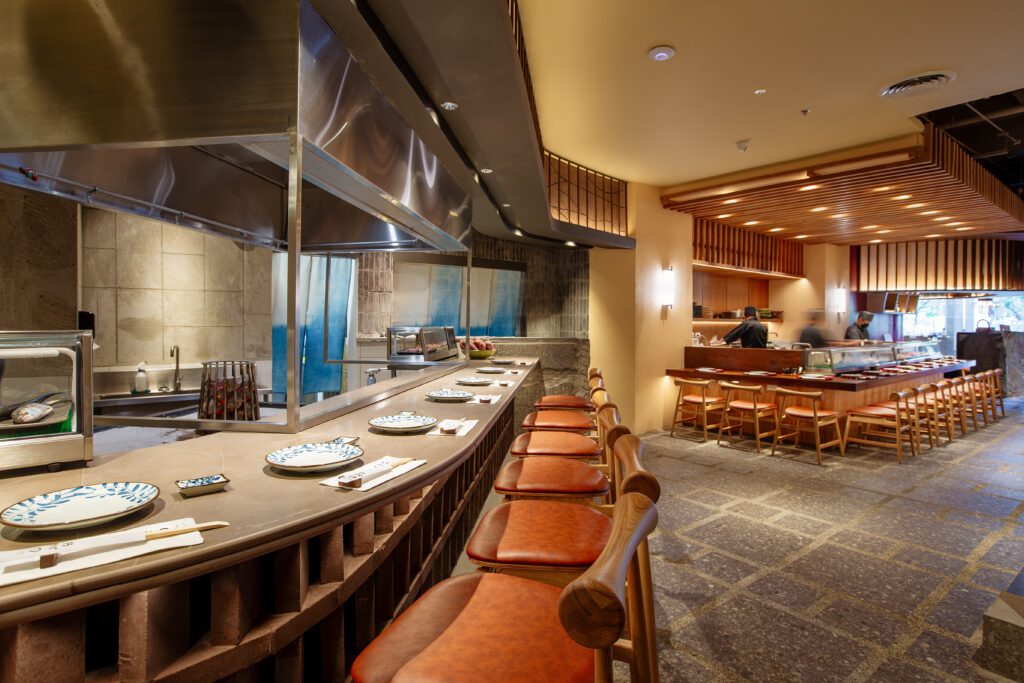
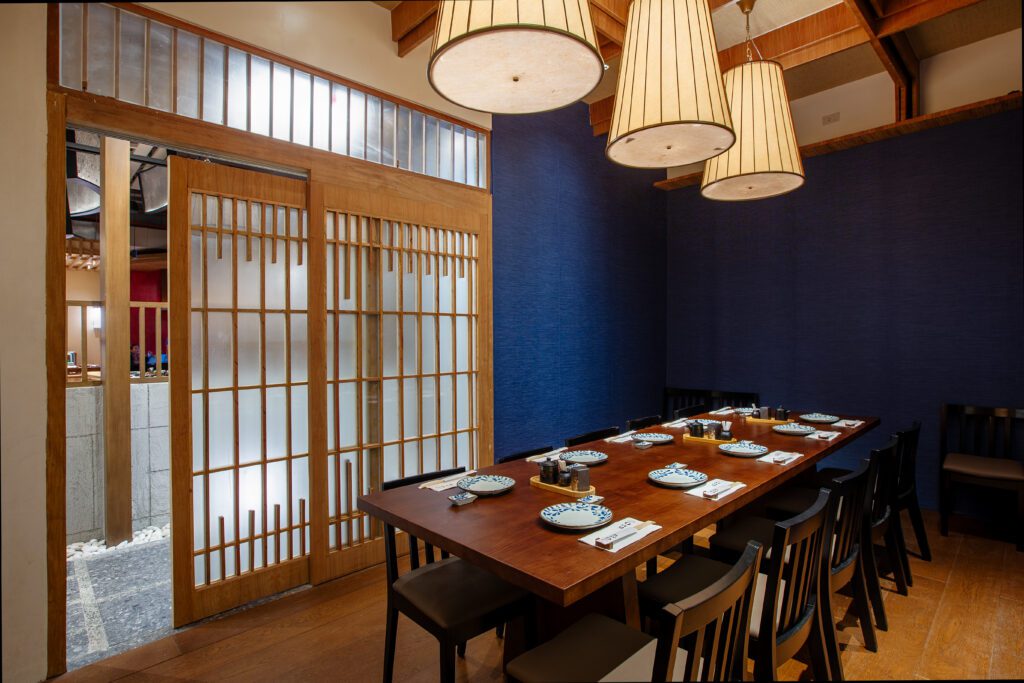
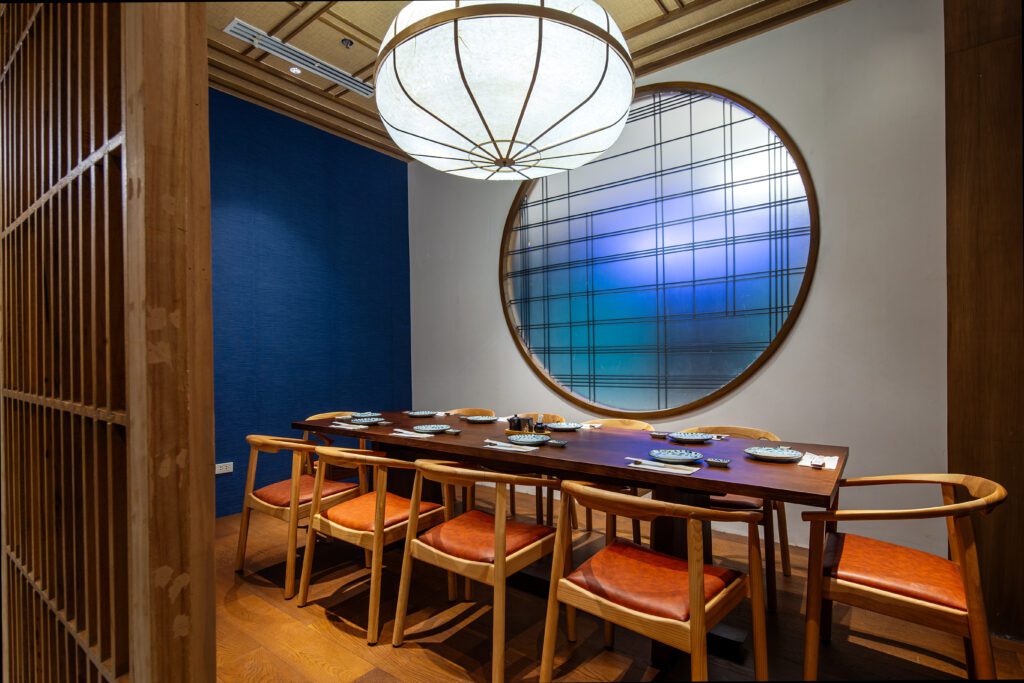
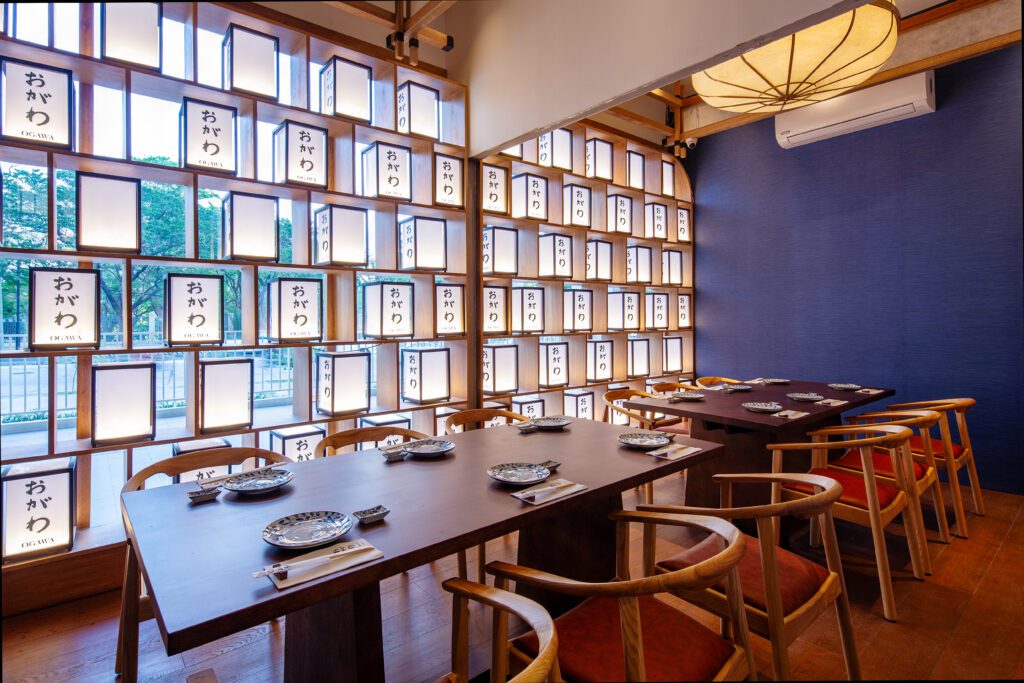
Walking inside, the space immediately feels familiar yet refreshed. Warm wood finishes, muted earth tones, and subtle Japanese minimalist design details create an atmosphere that’s elegant without being intimidating. The restaurant has even preserved signature architectural pieces from its previous home, including its iconic bridge and antique entrance—giving longtime patrons something nostalgic to reconnect with while introducing new guests to its heritage.
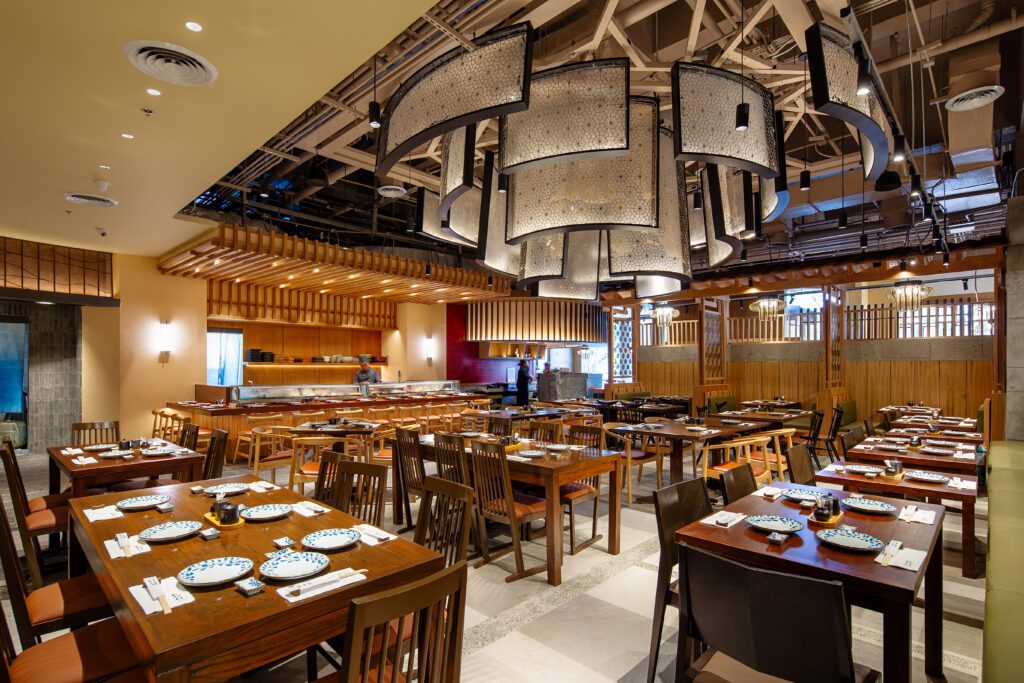
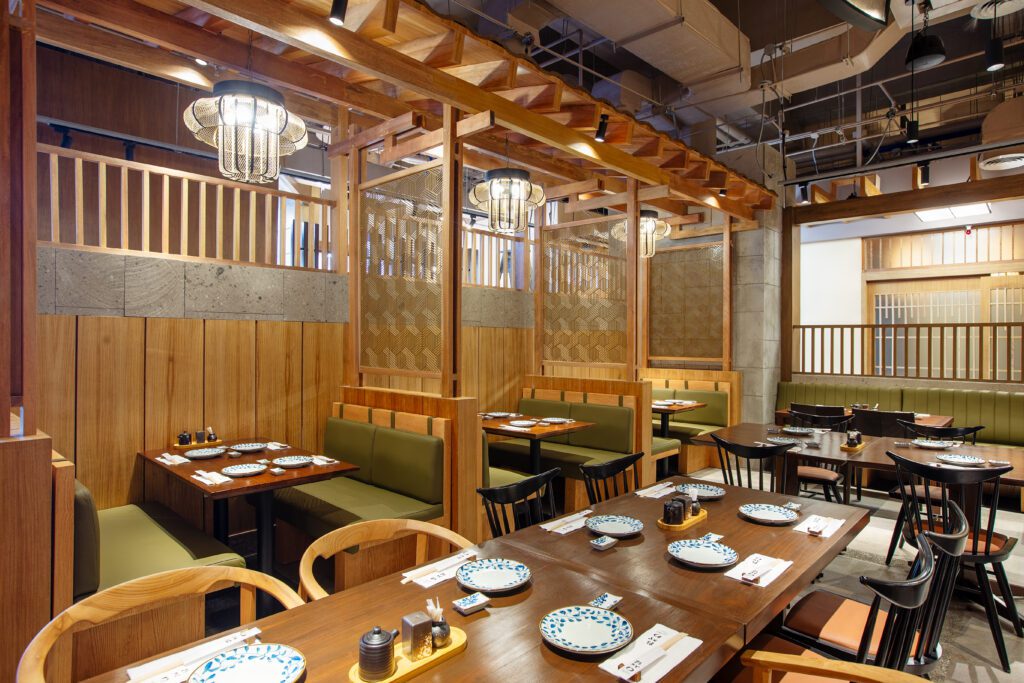
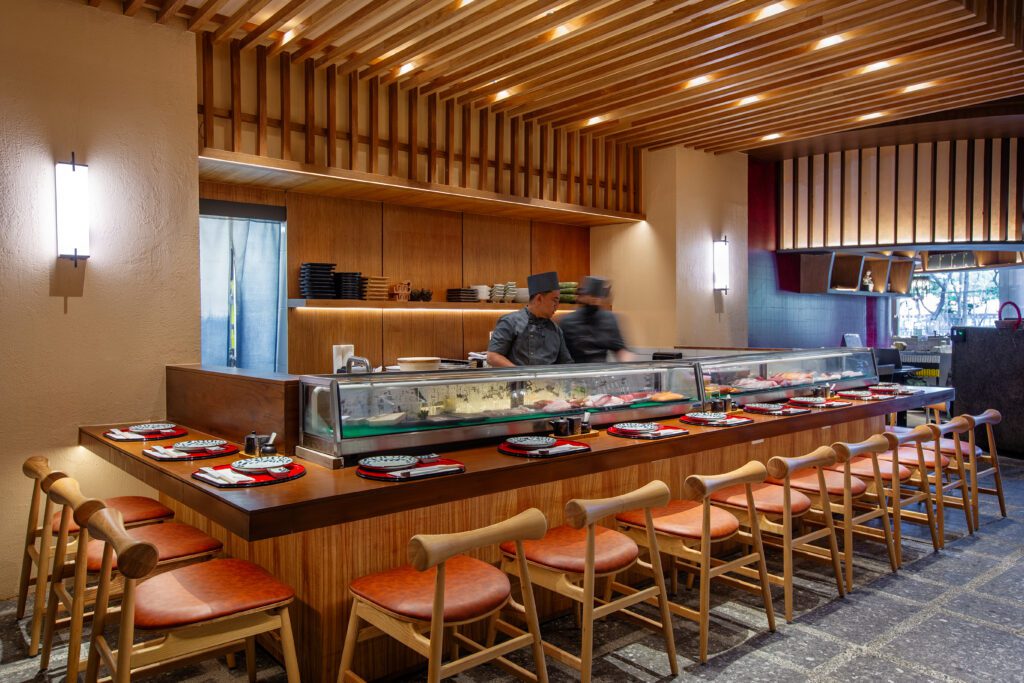
As someone who appreciates restaurants that let the experience unfold naturally rather than overwhelm diners with theatrics, I found myself enjoying exactly that. The open sushi counter gives guests a glimpse of the craftsmanship behind every order, while the restaurant’s private dining rooms make it easy to imagine family celebrations, business lunches, or milestone dinners taking place here.
With all the food I can’t pronounce or summon in my head, I can’t tell you every dish that landed on our table that evening. What I do remember, though, is the flavor and consistency. Nothing felt rushed. Every course arrived with the kind of careful presentation that’s become increasingly rare. It reminded me that Japanese cuisine has always been about more than simply eating well; it’s about respecting ingredients, technique, and timing. That philosophy appears to remain at the heart of Ogawa’s newest chapter.
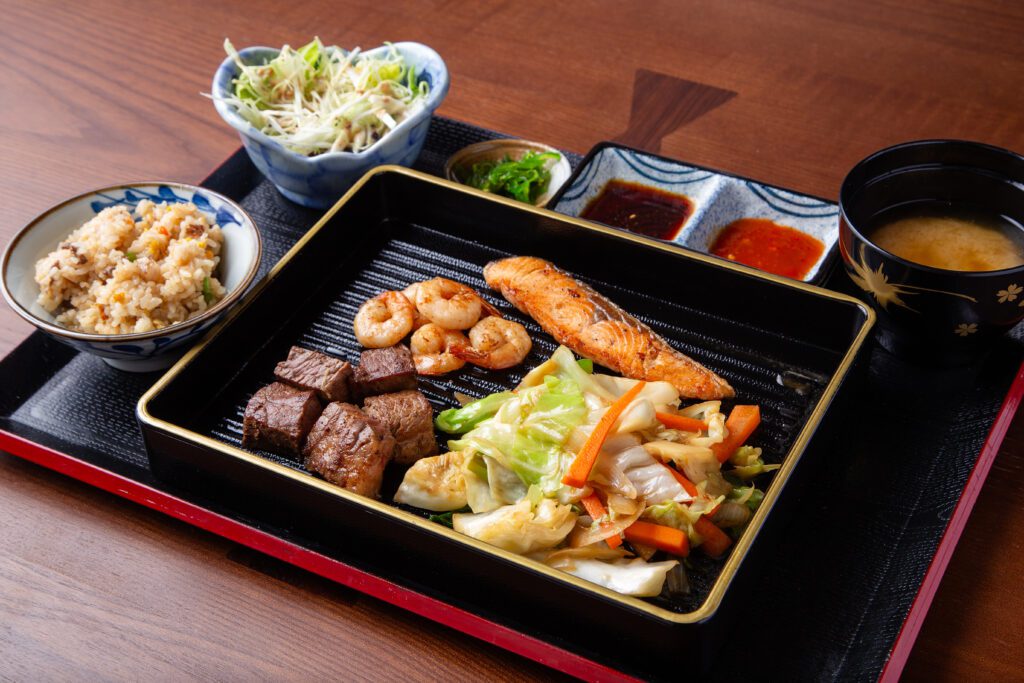
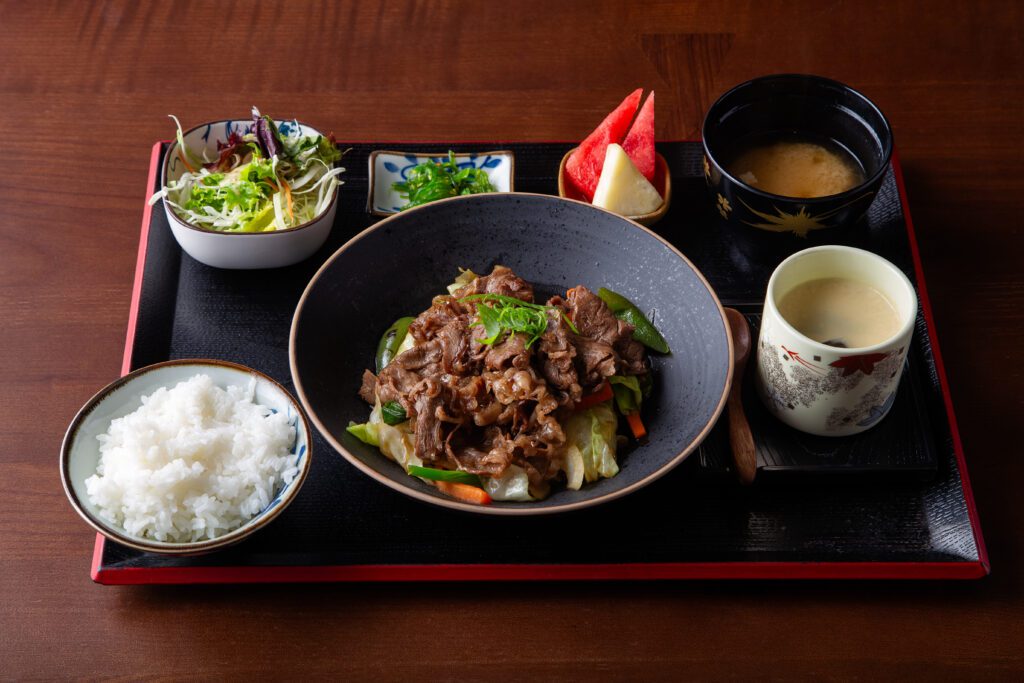
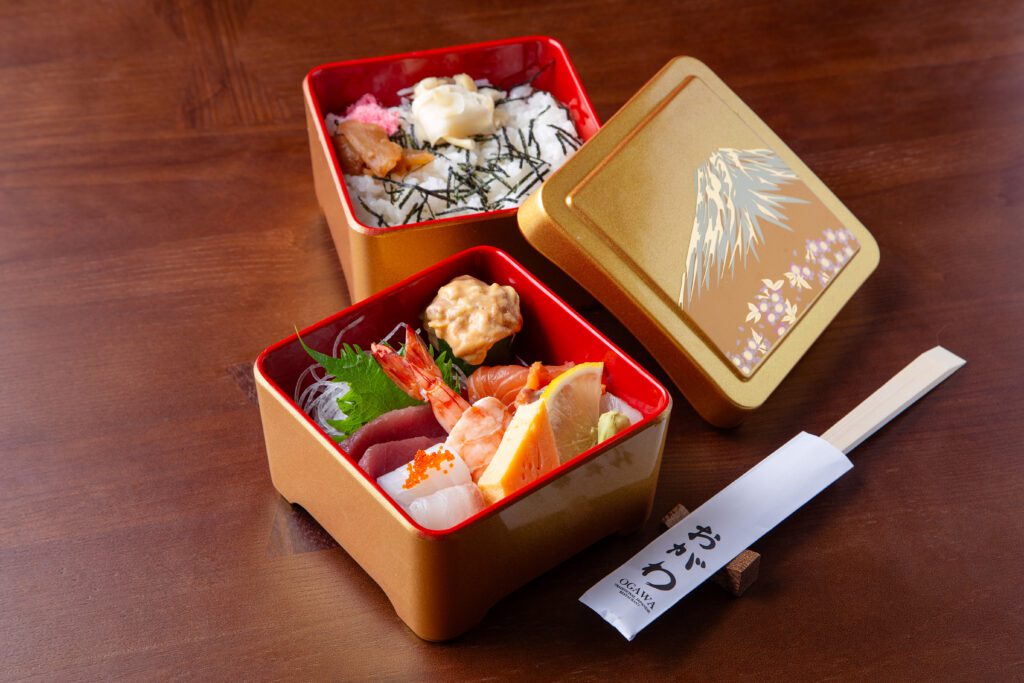
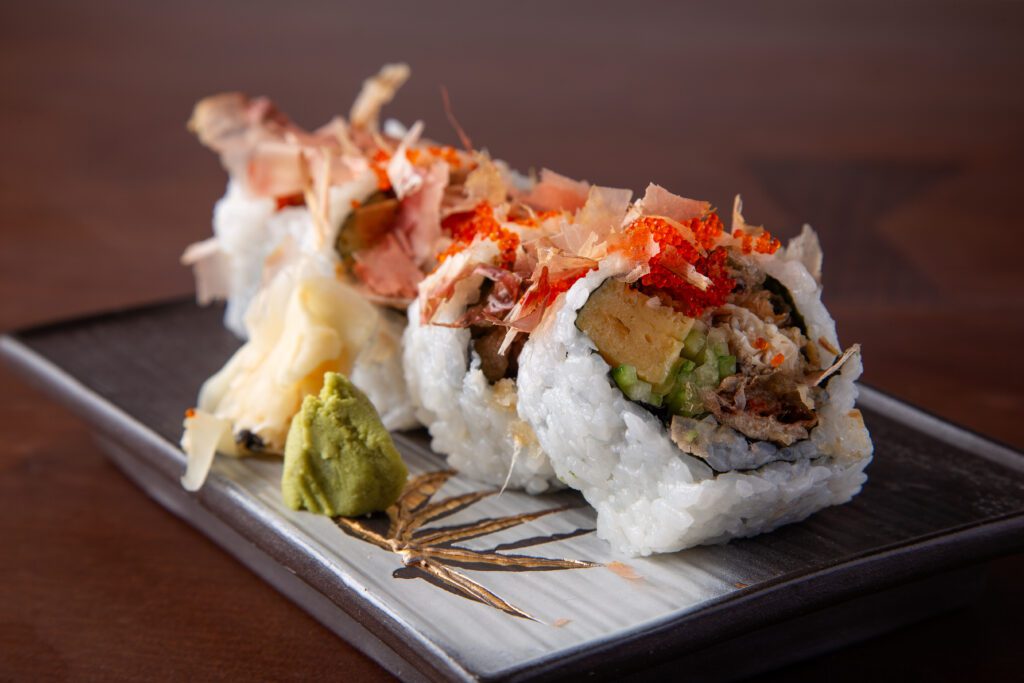
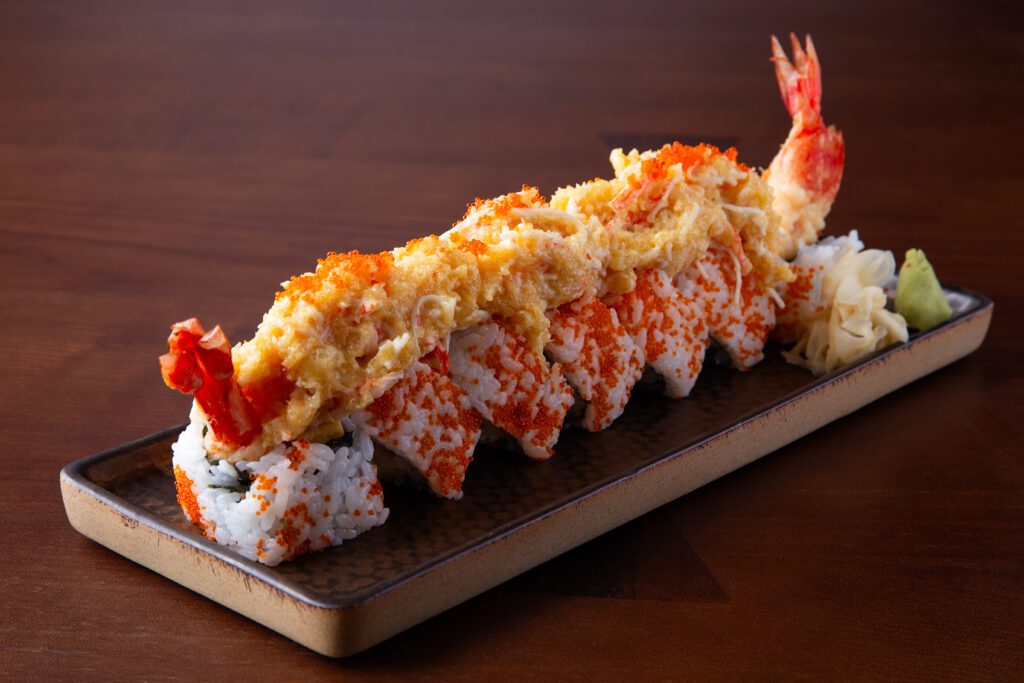
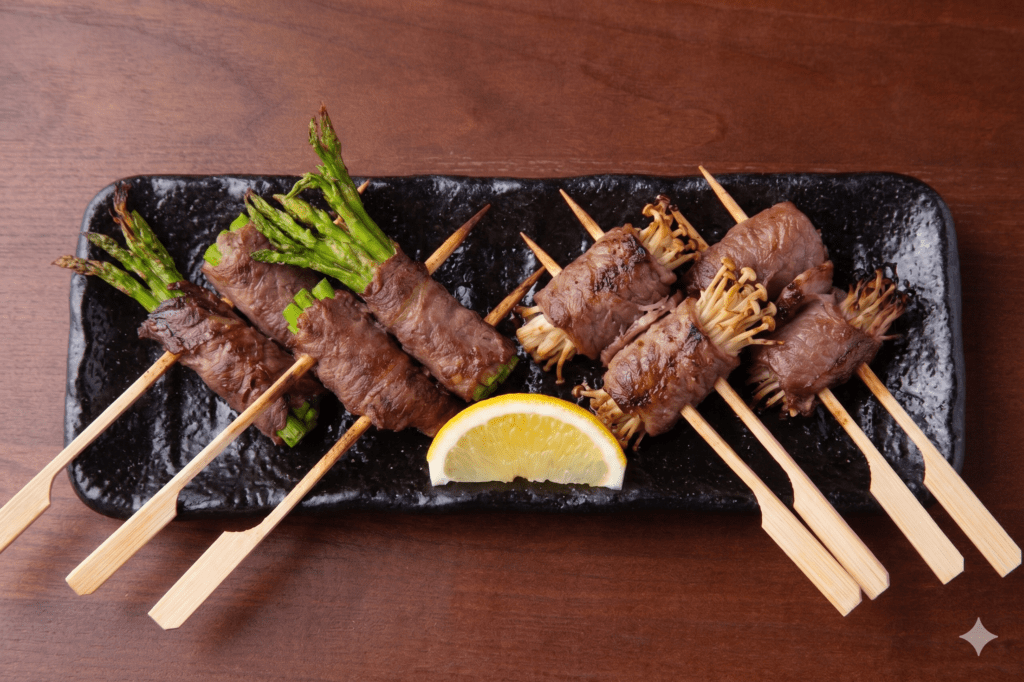
The restaurant continues to source premium ingredients from Japan, including seafood flown in from Tokyo’s Toyosu Market, alongside an impressive selection of Japanese Wagyu such as Kobe, Matsusaka, Ohmi, Kagoshima, and Miyazaki. Under Head Chef Kazu Yonemoto, the kitchen continues to whip up traditional Japanese eats while thoughtfully adapting them to suit local palates.
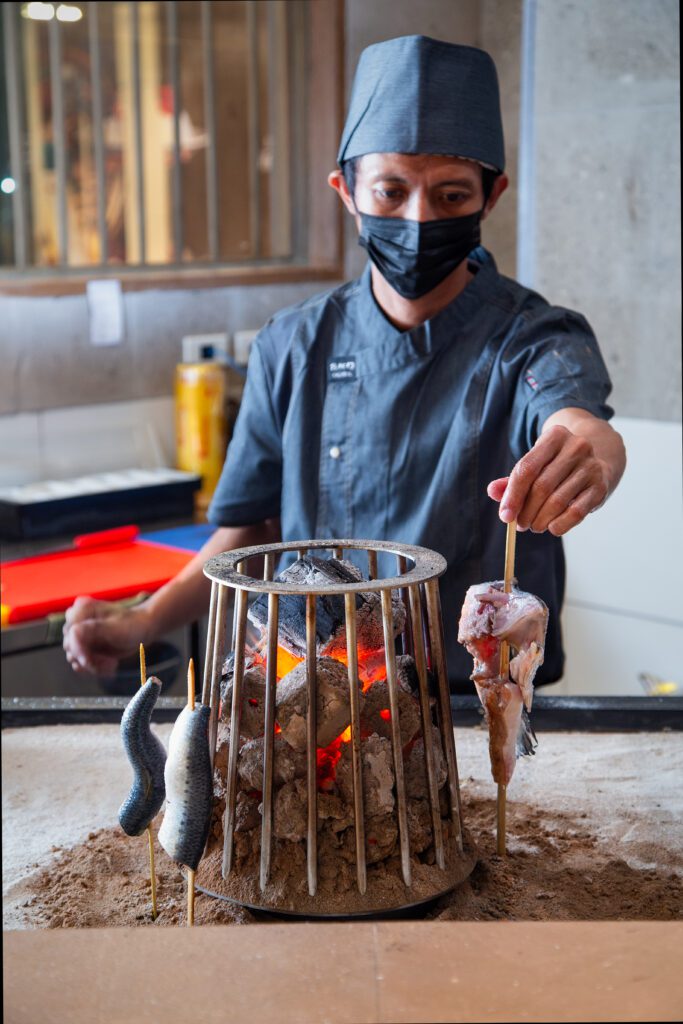
The menu spans everything from sushi and sashimi to comforting donburi, sukiyaki, teppanyaki, kaiseki, and robatayaki. One of the restaurant’s newest highlights is its live robatayaki station, too, where ingredients are grilled over charcoal in full view of diners. There’s also a playful addition called burgeryaki—a contemporary take that hints at Ogawa’s willingness to evolve while staying rooted in Japanese culinary traditions. During its reopening period, the restaurant is serving a curated menu before eventually introducing an expanded lineup featuring even more of its signature offerings.
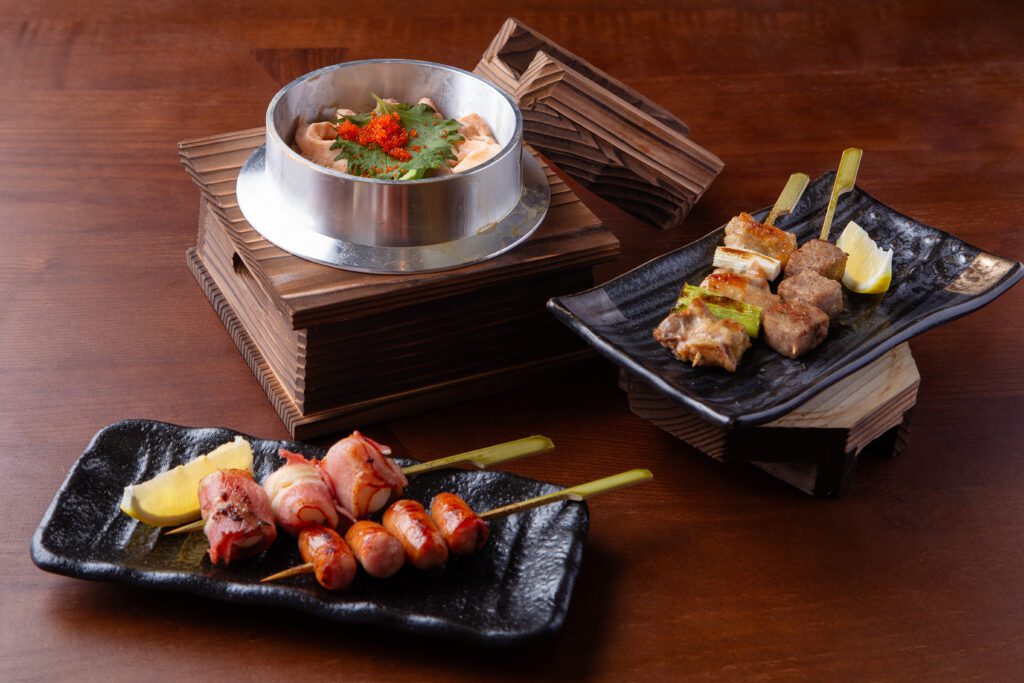

For Manila’s growing community of diners who have developed a taste for authentic Japanese cuisine—whether through travel or simply years of exploring the city’s dining scene—Ogawa’s return feels timely. There’s something comforting about restaurants that don’t reinvent themselves for the sake of novelty. Instead, they refine what they’ve always done well. Perhaps that’s what I appreciated most during my visit.
Not every memorable meal comes from the loudest flavors or the most extravagant presentation. Sometimes, it’s the quiet confidence of a restaurant that knows exactly what it is—and has spent years perfecting it—that leaves the strongest impression.
With its new home in BGC, Ogawa isn’t trying to become a different restaurant. It’s simply continuing the legacy that made many Manila diners fall in love with it in the first place.
Related story: From creative sushi handrolls to grilled sharing plates: Kiwami unites Japanese restaurants under one roof
Related story: Beyond ramen: Menya Kokoro’s take on Japanese dry noodles