
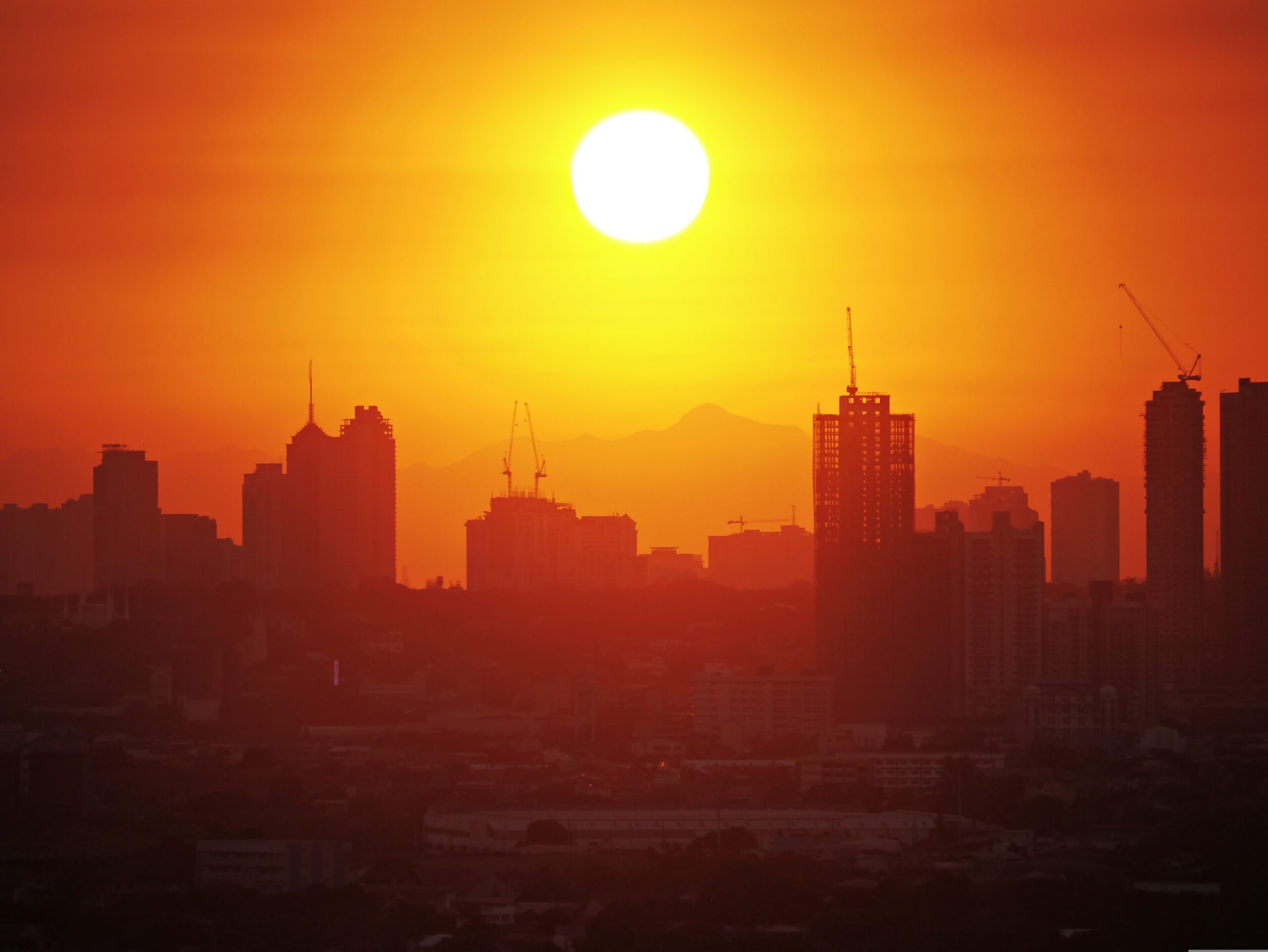

El Niño is back. And we know it’s anything but good news.
In fact, we face an even bleaker situation this time around, with the latest projections from climate scientists pointing to a more ominous scenario. Following the powerful 2023–2024 El Niño episode, one of the five strongest on record, the current Super El Niño cycle has rapidly escalated toward historic territory. Called by some the “Godzilla El Niño,” it began developing in June 2026, with data confirming it reached super status in September 2026.
Forecasts reveal a grim picture. It is on track to outpace previous strong events like those in 1997–1998 and 2015–2016, as equatorial Pacific sea surface temperatures has breached +3.5°C, higher than the 3.02°C set in late November 2015, the previous high in 150 years of modern records.
Climate projections cited by The New York Times and South China Morning Post warn that human-caused climate change is supercharging the phenomenon, driving severe compound risks of intense drought and extreme tropical cyclone activity.
Related story: Reddit, Discord, and the question of online anonymity in the Philippines
Related story: When neutrality and advocacy clash: Can major pop tours be politically neutral spaces?
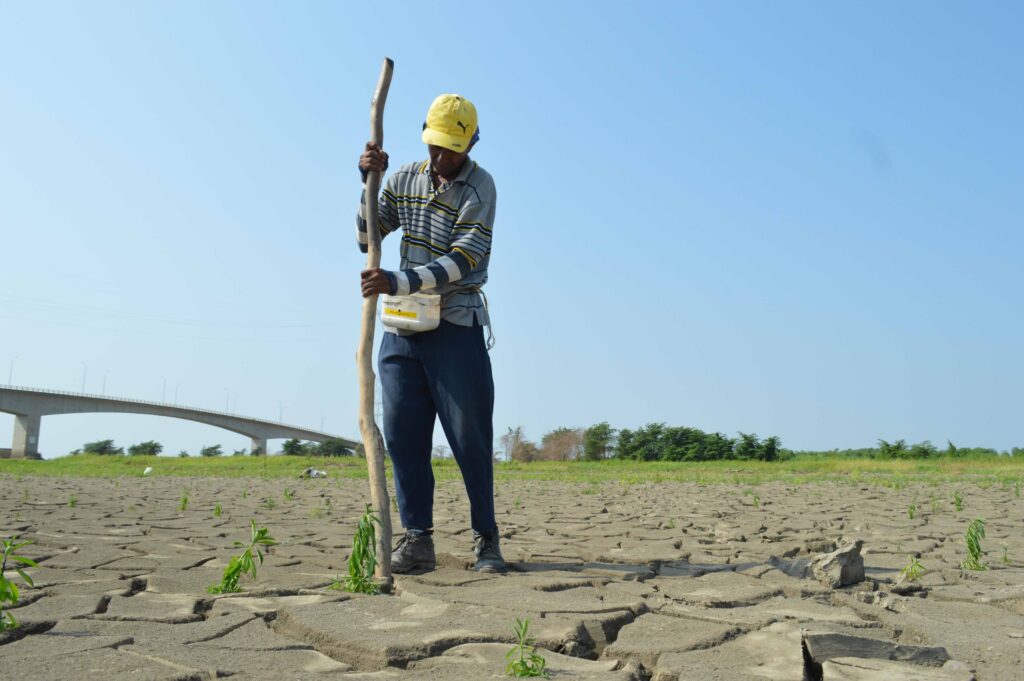
Regionally, a report from The Straits Times underscores the severe threat to agriculture, energy supplies, and water security across Southeast Asia. In the Philippines, meanwhile, an in-depth report in the Philippine Daily Inquirer warns that this historic warming cycle could persist into mid-2027 and could become the strongest in at least a millennium, heightening risks of extreme heat stress and unprecedented economic disruption.
The Inquirer report also noted that the Super El Niño would impact the Philippines in two distinct stages. Heavy rainfall and widespread flooding characterized the first phase from July to September 2026. The country now faces an abrupt transition into extreme drought, which is projected to last through May 2027.
Making matters worse for Filipinos, the Philippines ranks 9th among the 50 countries expected to suffer the worst heat impacts during this period, according to a University of Chicago Climate Impact Lab study. Nigeria, Indonesia, Sudan, India, and Brazil round out the top five.
Extreme heat carries severe medical consequences, increasing the incidence of heat stroke, heat exhaustion, dehydration, and cardiovascular strain. Projections cited in the same study indicate that the ongoing Super El Niño could cause 6,500 additional heat-related deaths in the Philippines between September 2026 and February 2027, contributing to a regional total of nearly 19,400 across Southeast Asia, particularly in the Philippines, Vietnam, Thailand, and Cambodia.
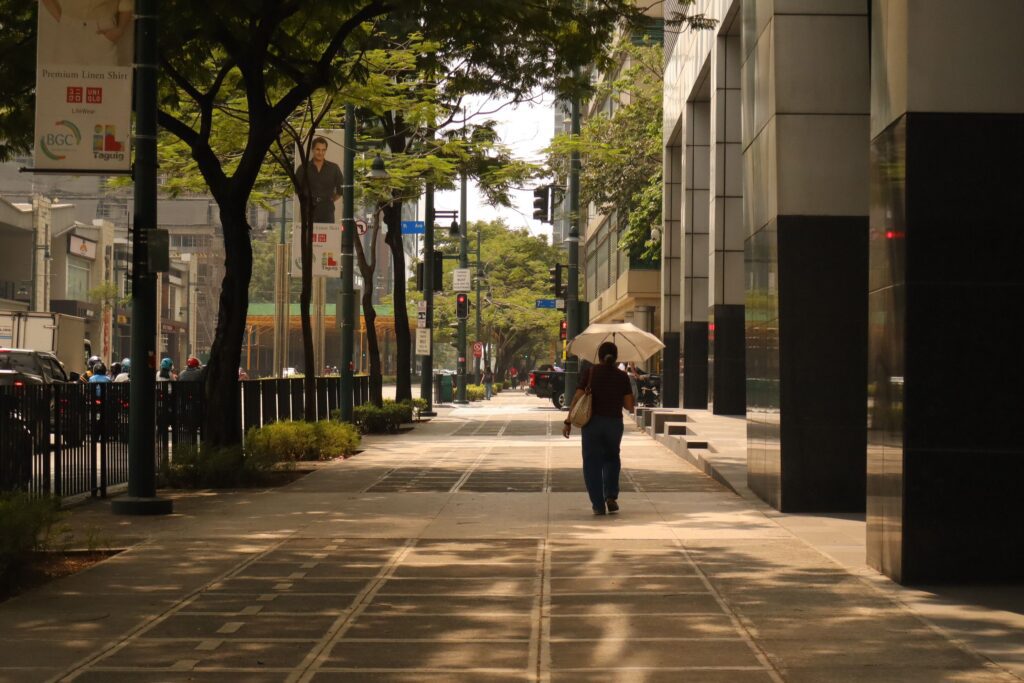
Forecasters at the Department of Science and Technology–Philippine Atmospheric, Geophysical and Astronomical Services Administration (DOST-PAGASA) and global agencies—including the World Meteorological Organization (WMO) and the UN Economic and Social Commission for Asia and the Pacific (ESCAP)—warn that this climate cycle is shaping up to be one of the most potent on record. Beyond threatening agricultural heartlands, the extreme heat stress directly risks densely populated urban hubs, including Metro Manila, Metro Cebu, and Metro Davao.
For condo residents, suburban families, and city professionals, this is far more than a distant rural concern—it is an urban reality that demands immediate lifestyle changes. To safeguard our households from the full impact of this climate event, early preparation is key.
Here is what the Super El Niño means for urban Philippines, and how you can prepare before the heat hits its peak.
Related story: The great AI debate: Hit the brakes or charge ahead?
Related story: Global issues to watch in 2025
What city-dwellers should expect
Unfortunately, farmers stand on the front lines of climate extremes and will inevitably bear the brunt of this Super El Niño. But that does not mean city dwellers will escape nature’s wrath, as urban centers are faced with their own distinct set of compounding pressures.
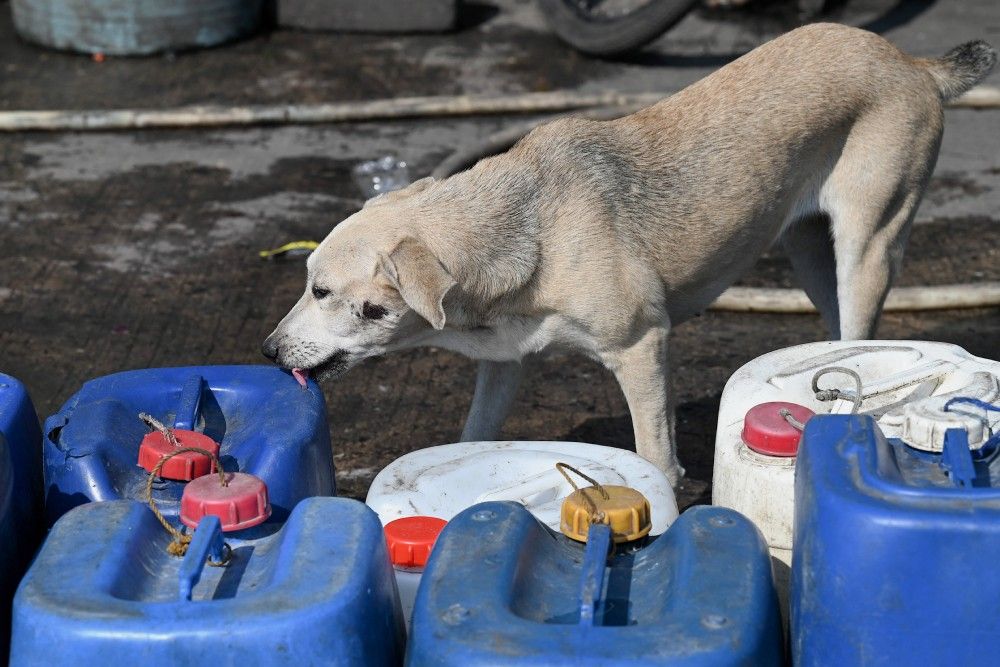
Low water pressure and rationing: Reduced rainfall directly threatens urban reservoirs like Angat Dam, leading to low water pressure and service interruptions during peak morning and evening hours. This is no longer just a forecast—it is happening now. The National Water Resources Board (NWRB) officially lowered Metro Manila’s water allocation from Angat Dam starting October 2026, prompting distributors to tap into alternative sources, such as Laguna Lake, while calling on the public to conserve water.
Power grid strain and rotating brownouts: As temperatures soar, air conditioning units across the country run at maximum capacity. This massive surge in electricity demand, combined with reduced output from hydroelectric power plants, places immense strain on national power grids, heightening the risk of rotating brownouts.
The Urban Heat Island effect: Because concrete structures and asphalt roads absorb and trap heat, urban centers become significantly warmer than rural areas. Consequently, the Climate Change Commission warned that treeless Philippine cities could suffer severe heat indexes between 45 and 50 degrees Celsius during the Super El Niño.
Sustained food inflation: Equally concerning, though not easily obvious, is the risk of sustained inflation. Reduced agricultural yields translate directly into higher grocery bills for us, particularly for fresh produce, rice, and daily staples.
Related story: Up in the air: Is climate change to blame for increasingly turbulent skies?
Related story: REVIEW: ‘Ocean with David Attenborough’ is a haunting yet hopeful reminder to save our oceans
Preparing your household
Preparing for the Super El Niño need not be a panic-filled activity. Rather, it should be about building low-effort, high-impact routines to safeguard your home, health, and budget, whatever the weather. Here are some tips:
1. Practice smart water management
Don’t wait for supply warnings to start building water-conscious habits.
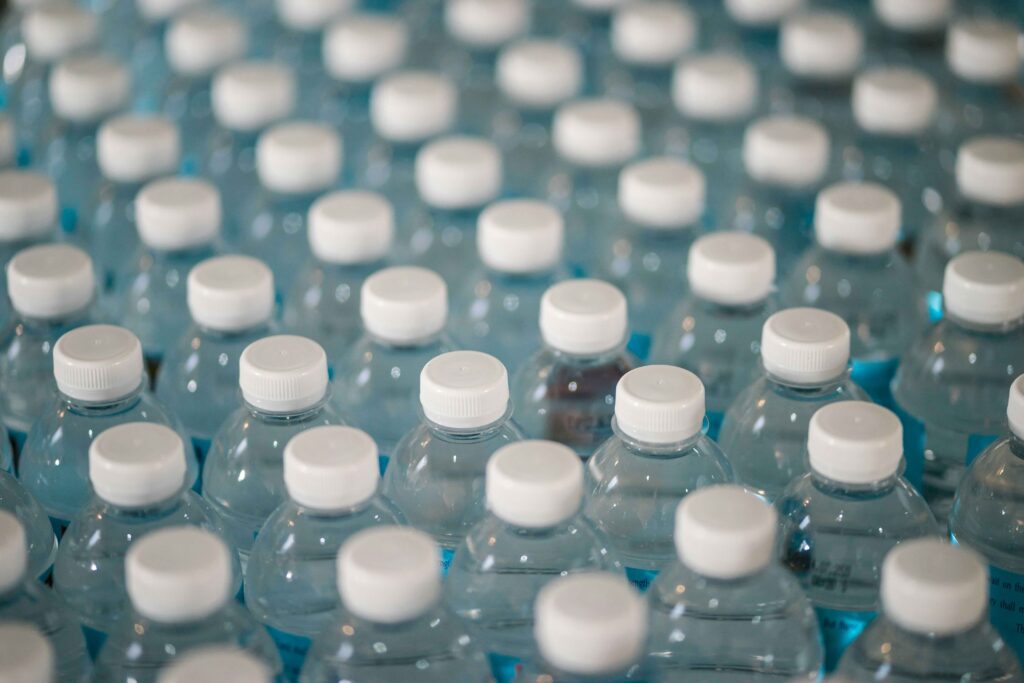
Invest in food-grade storage: Secure clean, covered, food-grade water containers. A good rule of thumb is keeping at least 3 to 4 liters of drinking water per person per day for at least three days, plus separate storage for utility water (flushing, cleaning).
Inspect your plumbing: A single leaky toilet or dripping faucet can waste thousands of liters a month. Regularly inspect all fixtures and replace worn-out washers, faucets, and flappers now.
Adopt greywater systems: Capture rinse water from laundry or washing vegetables to flush toilets or water household plants.
2. Cool your home efficiently
Keeping your home livable doesn’t mean skyrocketing electric bills or 24/7 air-conditioning.


Optimize airflow: Keep blinds or thermal curtains closed on windows facing direct sunlight during the hottest parts of the day (10:00 AM to 4:00 PM) to reduce solar heat gain.
Maintain AC units: Clean or replace air filters monthly. A dirty filter forces the compressor to work up to 15% harder, spiking energy consumption.
Introduce indoor cooling with houseplants: Placing indoor plants—such as snake plants, peace lilies, or potted ferns—near windows helps absorb radiant heat and improves indoor moisture balance.
3. Safeguard health and daily wellness
Extreme heat carries hidden health risks, including heat exhaustion, heat stroke, and dehydration.

Hydrate correctly: Drink water regularly throughout the day rather than waiting until you feel thirsty. Keep electrolyte solutions or even coconut water handy during peak heat days.
Adjust workout schedules: Shift high-intensity exercise or outdoor errands to early mornings or after sunset to avoid peak UV hours. Related to this, the Climate Change Commission has also advised schools and government agencies to shift their schedules ahead of the expected impacts of El Niño.
Fire safety check: Prolonged dry heat combined with overloaded electrical outlets from running multiple cooling fans and ACs increases domestic fire risks. Ensure your home has an updated fire extinguisher and avoid octopus wiring or the practice of plugging multiple appliances, adapters, or extension cords into a single wall outlet.
4. Build a buffer against inflation
With food prices expected to react to agricultural pressures, smart pantry planning can cushion your household budget.
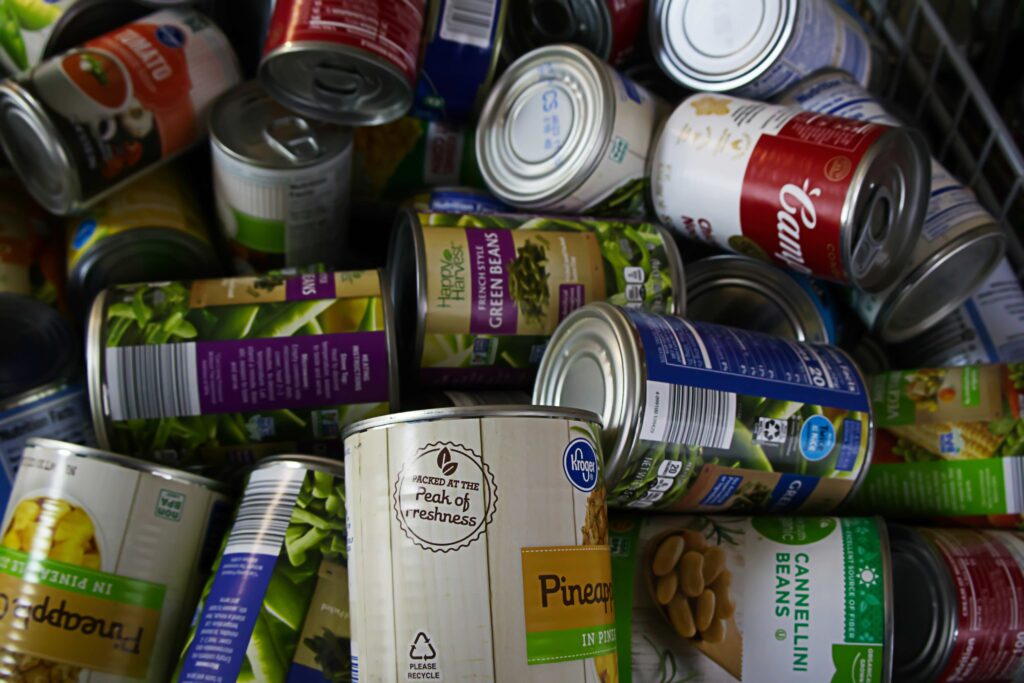
Stock non-perishable staples: Gradually build (not hoard!) a supply of shelf-stable goods—canned protein, legumes, grains, and dry noodles—before price spikes take effect.
Support local direct-to-consumer markets: Consider buying produce through community-supported agriculture (CSA) channels or weekend farmers’ markets that source directly from regional growers, helping bypass middle-tier markups while supporting local farmers.
Looking ahead
Extreme climate events require proactive steps rather than reactive crisis management. By taking small, deliberate measures today—conserving water, optimizing energy use, and staying informed through official advisories—we can stay comfortable, healthy, and resilient through the heatwave ahead.
Related story: South Korea’s ‘bloom-less’ cherry blossom festivals disappoint locals, tourists
Related story: Organic food wants to go mainstream. Can Filipino shoppers afford it?