
Sunshine, centuries-old sites, standout cities, and serious culinary pull are sending Spain’s visitor numbers soaring. Here’s where to go.
France may still wear the tourism crown, but Spain is closing the gap—and faster than earlier figures might have suggested.
A joint study by Google and Deloitte projects that Spain will become the world’s most-visited country by 2040, welcoming an estimated 110 million international visitors annually. France, the longtime leader, is forecast to receive around 105 million.
The race is already getting tight. Spain logged a record 96.8 million international tourists in 2025, up 3.2% from the previous year, according to the country’s National Statistics Institute. France remained ahead with 102 million.

Spain’s pull isn’t pinned to one postcard-perfect place either. Beach breaks, architectural icons, art, food, nightlife, pilgrimage routes, and wildly different regional cultures give travelers plenty of reasons to return—and plenty of places to put on the itinerary.
If Spain is indeed tourism’s next No. 1, these five famous stops offer a solid starting point:
Barcelona: See Sagrada Família soar
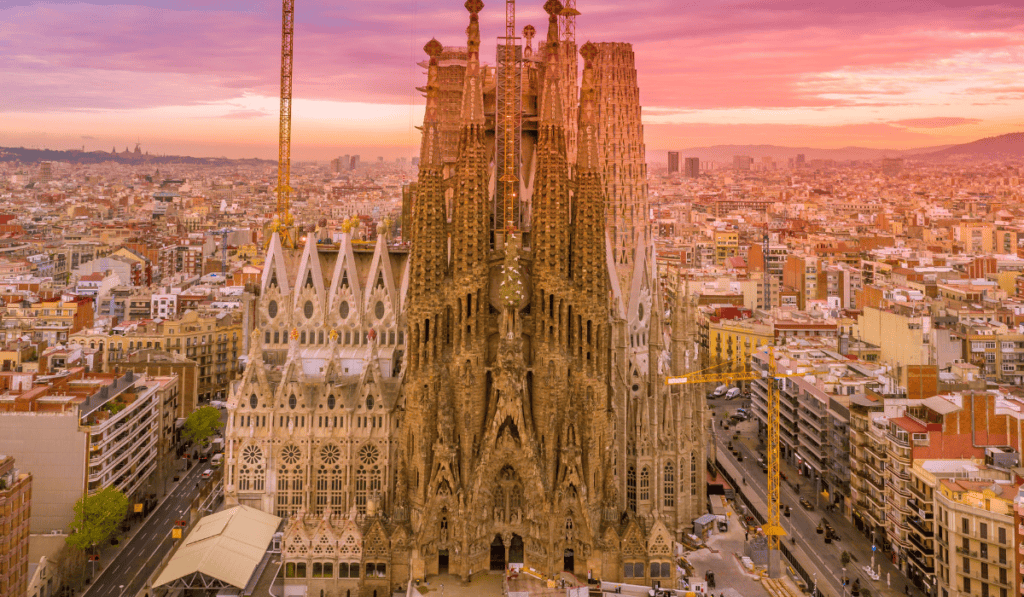
Barcelona’s skyline wouldn’t be the same without Sagrada Família, Antoni Gaudí’s spectacular—and still unfinished—basilica. Construction began in 1882, with Gaudí taking over the project the following year and transforming it into his singular vision.
Look up outside, then look up again inside. Sculptural façades give way to branching columns and stained glass that washes the interiors in shifting color. Visitors can also head up selected towers for a different look at Barcelona. The basilica is among Spain’s most-visited monuments and a UNESCO World Heritage Site.
Granada: Get lost in the Alhambra
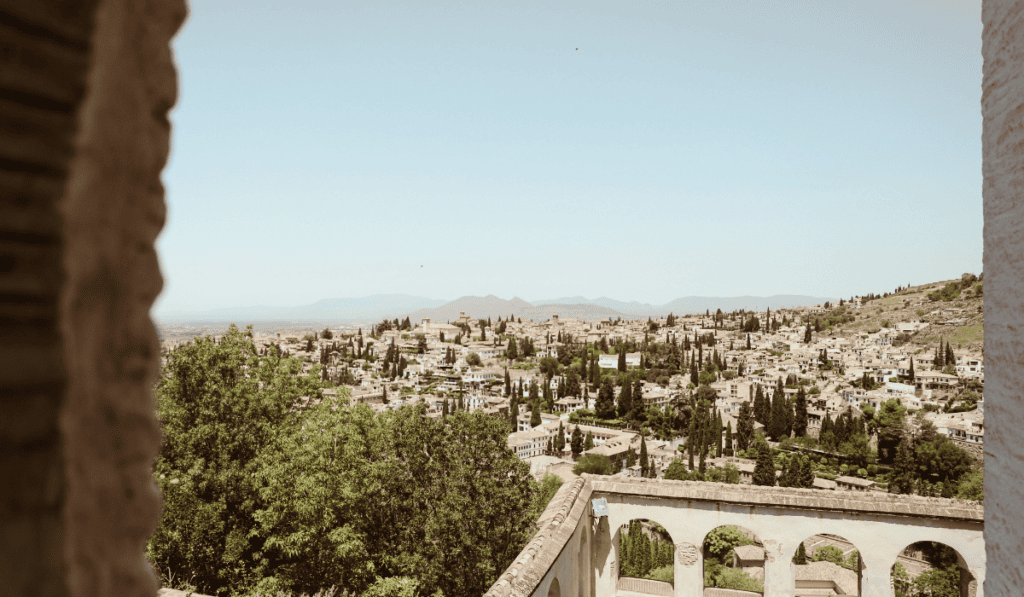
Perched above Granada, the Alhambra packs palaces, patios, fortifications, fountains, and gardens into one sprawling historic complex.
The site began as a military area before developing into a fortress, Nasrid palace, and a small city. Start with the Generalife gardens, continue through the Nasrid Palaces, and save time for the intricate Courtyard of the Lions. Nearly three million people visit annually, so securing tickets ahead of time is smart. For the postcard shot, cross the Darro and catch the Alhambra from the San Nicolás viewpoint at sunset.
Córdoba: Cross a forest of columns
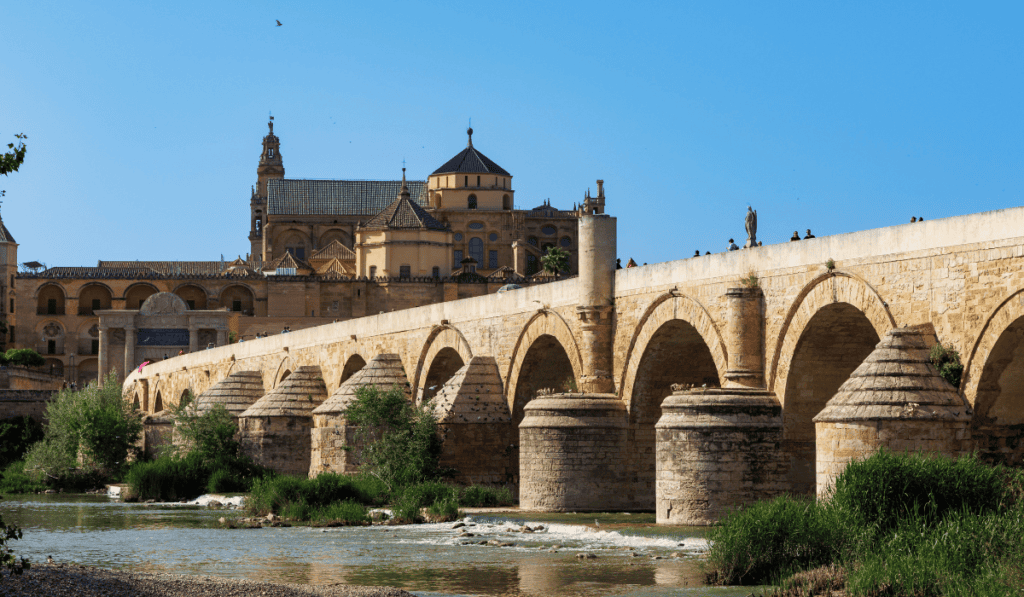
Few buildings capture Spain’s layered history quite like the Mosque-Cathedral of Córdoba. Its famous interior unfolds through rows of columns and red-and-white arches, while additions from different periods reveal the site’s evolution across centuries of Islamic and Christian rule. Spain’s official tourism portal counts it among the country’s most-visited monuments—and the scale alone makes wandering through it an experience worth slowing down for.
Seville: Scale La Giralda
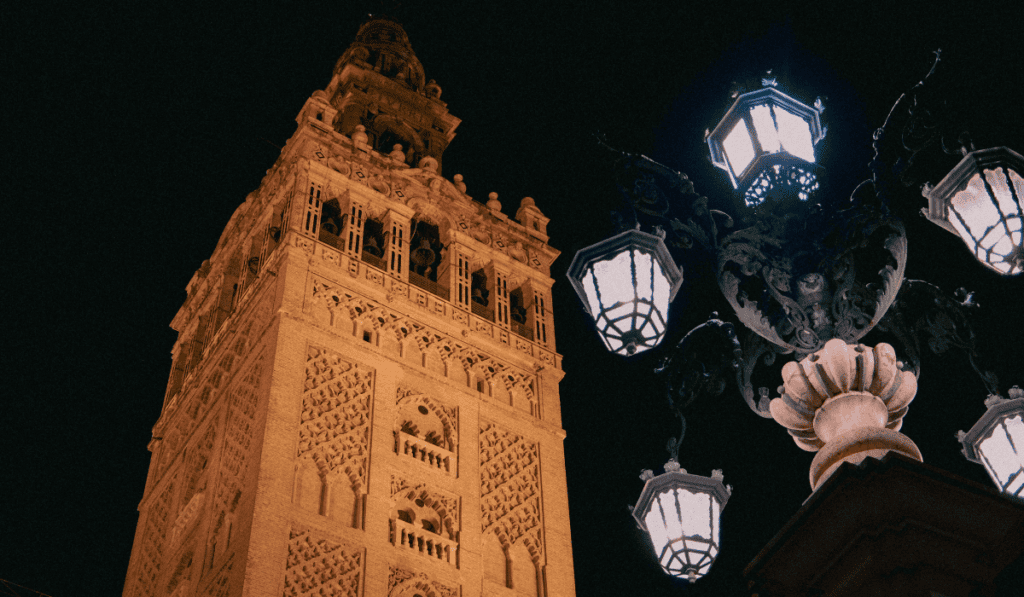
In sizzling Seville, La Giralda gives sightseers history with a serious view. The landmark began as the minaret of the city’s former mosque before becoming the bell tower of Seville Cathedral, whose vast Gothic structure now stands beside it. The cathedral, Giralda, nearby Real Alcázar, and General Archive of the Indies form part of Seville’s UNESCO-listed monumental ensemble. Climb the tower, scan the city from above, then continue to the Real Alcázar for courtyards, gardens, and a striking mix of Mudéjar and Renaissance design.

Santiago de Compostela: Follow the Camino to the cathedral
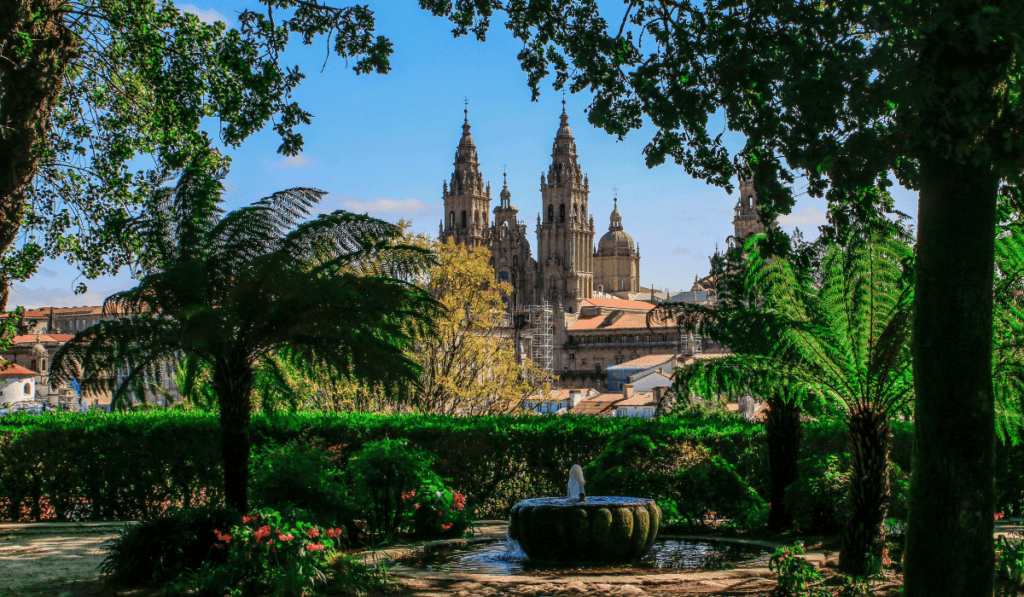
You don’t have to walk hundreds of kilometers to appreciate Santiago de Compostela Cathedral, but arriving there after completing the Camino de Santiago certainly adds another story.
The cathedral marks the celebrated endpoint of the centuries-old pilgrimage route in Galicia. Once there, explore the building and its surroundings, or book a rooftop tour for a less conventional perspective on the landmark.
Can Spain handle the crown?
Hitting 110 million visitors would be a tourism triumph with a tricky trade-off. Barcelona, the Balearic Islands, the Canary Islands, and other heavily visited areas have already faced concerns surrounding crowded communities, housing costs, and pressure on local services. Spain’s challenge, then, isn’t simply attracting another 13 million or so annual visitors—it’s figuring out where they go, how they travel, and what their presence leaves behind.
France still has the title. Spain, however, has the sunshine, sights, statistics—and now, a serious shot at stealing the top spot.
Related story: Spain rules World Cup 2026 as Messi’s ‘final dance’ ends in heartbreak
Related story: ‘Go home!’: Overtourism sparks ‘revulsion‘ among locals in Spain