
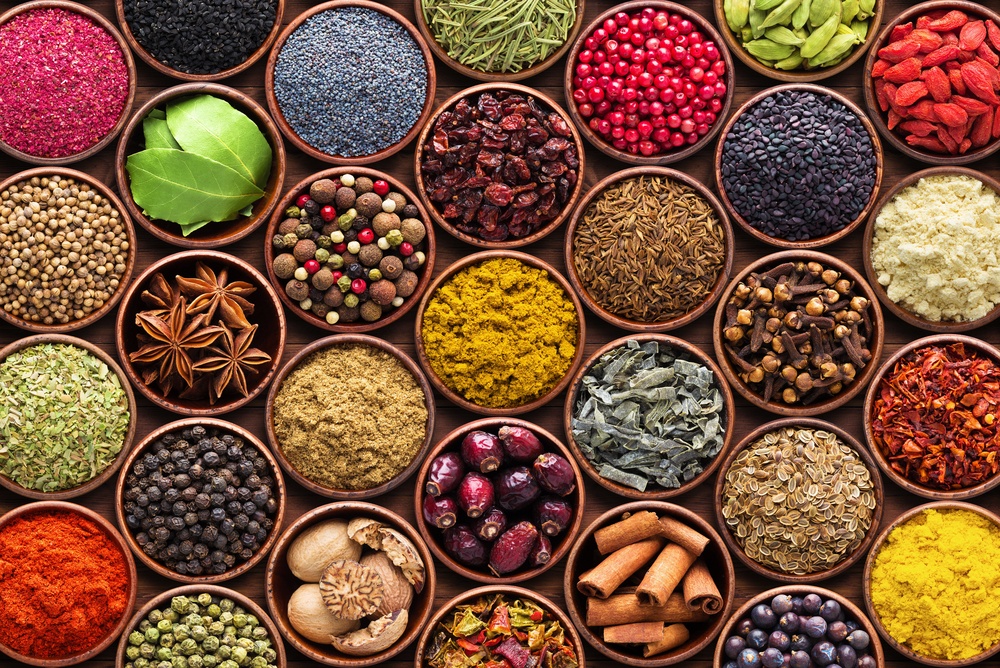

Chefs and restaurateurs are dismantling the myth of a single “Indian cuisine,” digging into regional produce, native micro-seasons, and hyper-local memories.
Before I embarked on a whirlwind five-day trip to India that had me traversing the subcontinent from south to north, I must admit that I took pause. I had spent years holding a fundamental misunderstanding of Indian gastronomy, along with many cultural stereotypes—a misconception shared by millions of international diners and travelers. For decades, the global narrative flattened this vast peninsular continent into a singular monolith: heavy, cream-laden curries, generic tikka masalas, and ubiquitous tandoori platters.
Yet, spending time inside the forward-thinking kitchens of Bengaluru and the serene heights of the Himalayas reveals an exhilarating renaissance. A quiet revolution is underway across India’s fine dining landscape that is changing the image proliferated by centuries of diaspora cuisine.

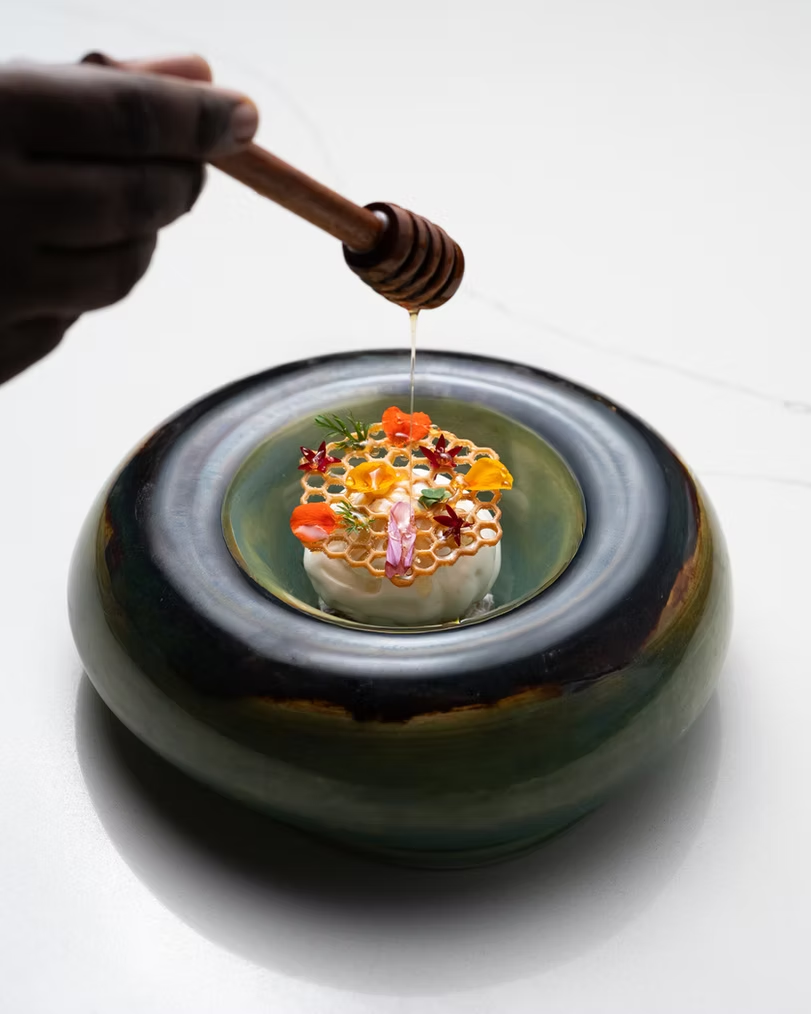
Chefs and restaurateurs are no longer cooking for an imagined, generalized global palate. Instead, they are dismantling the myth of a single “Indian cuisine,” digging into regional produce, native micro-seasons, and hyper-local memories to present what has been there all along: the intricate and diverse cuisines of India.
To understand this shift, one must first dismantle the terminology. In standard culinary discourse, global audiences treat Indian food as a singular tradition. Yet, cross a border between any two Indian states— or travel a mere 10 kilometers— and the dialect, spice box, staple grain, and cooking medium change entirely.
Related story: Food and diplomacy: How Singapore’s diverse cuisine is soft power on a plate
Related story: The Philippines has the world’s attention. Why it matters and what it takes to keep it
Shaped by the seasons
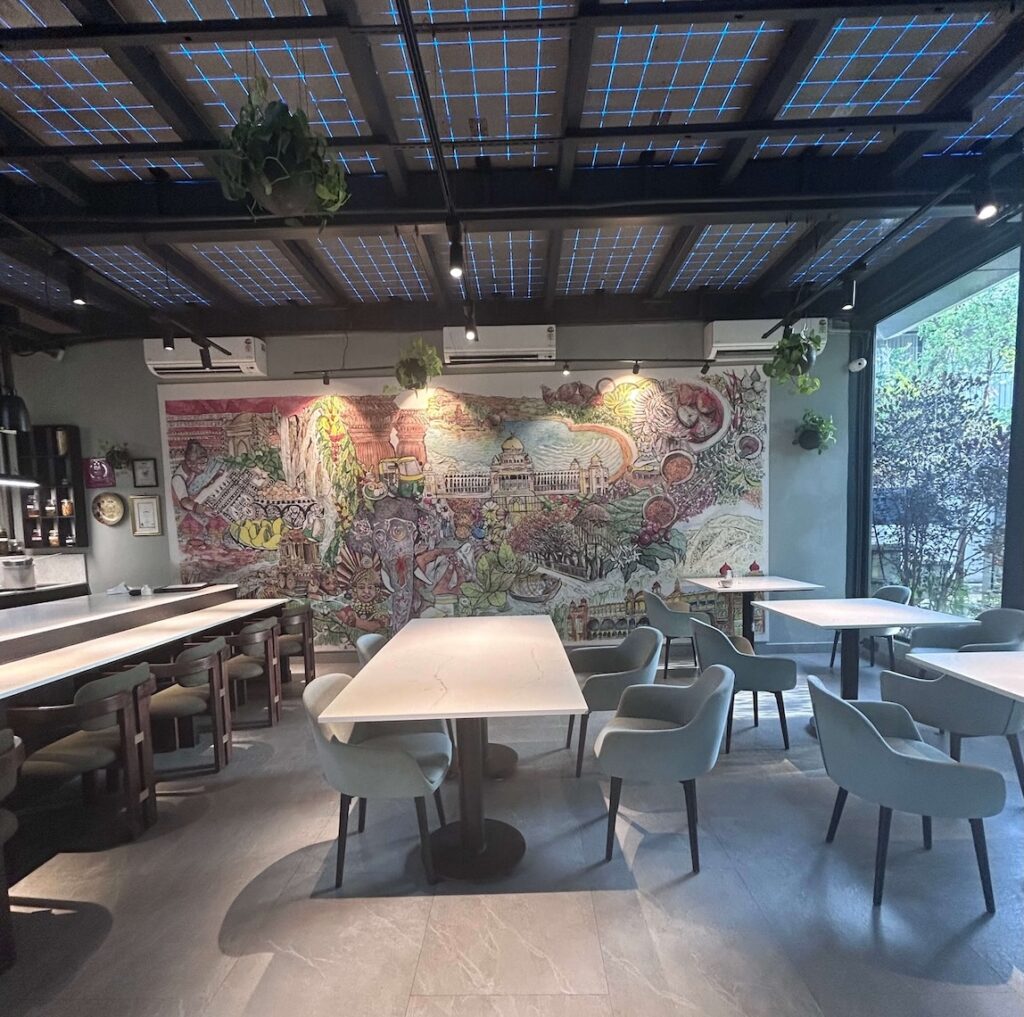
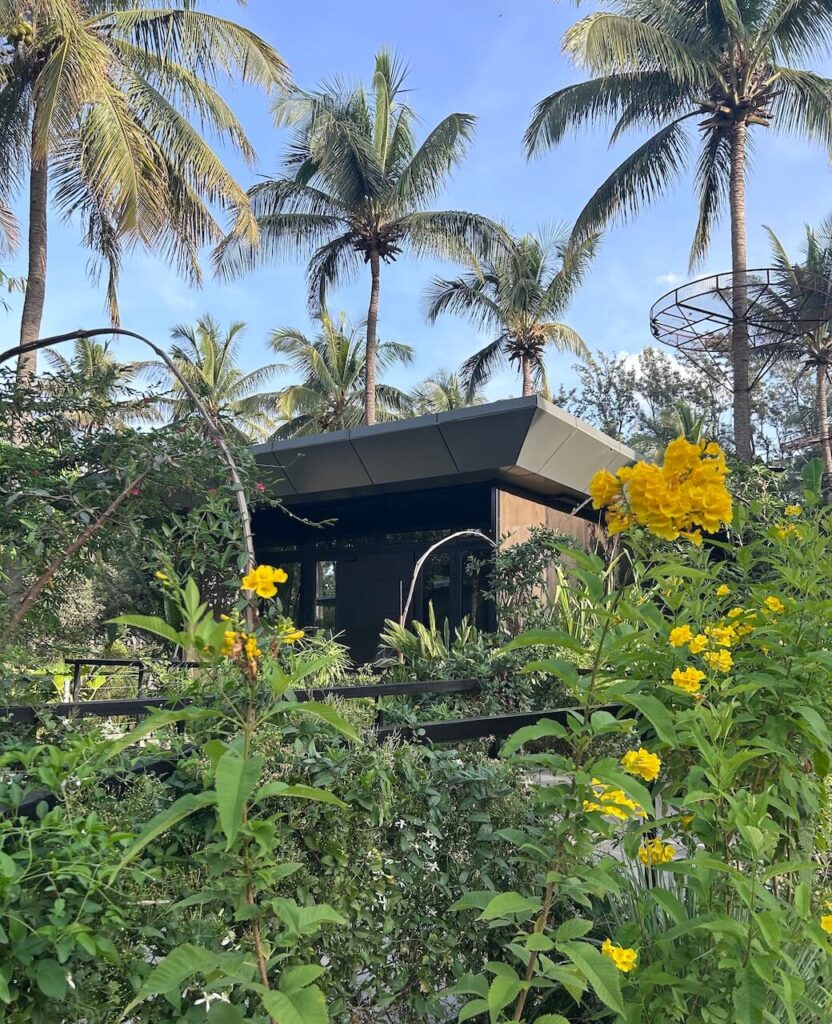
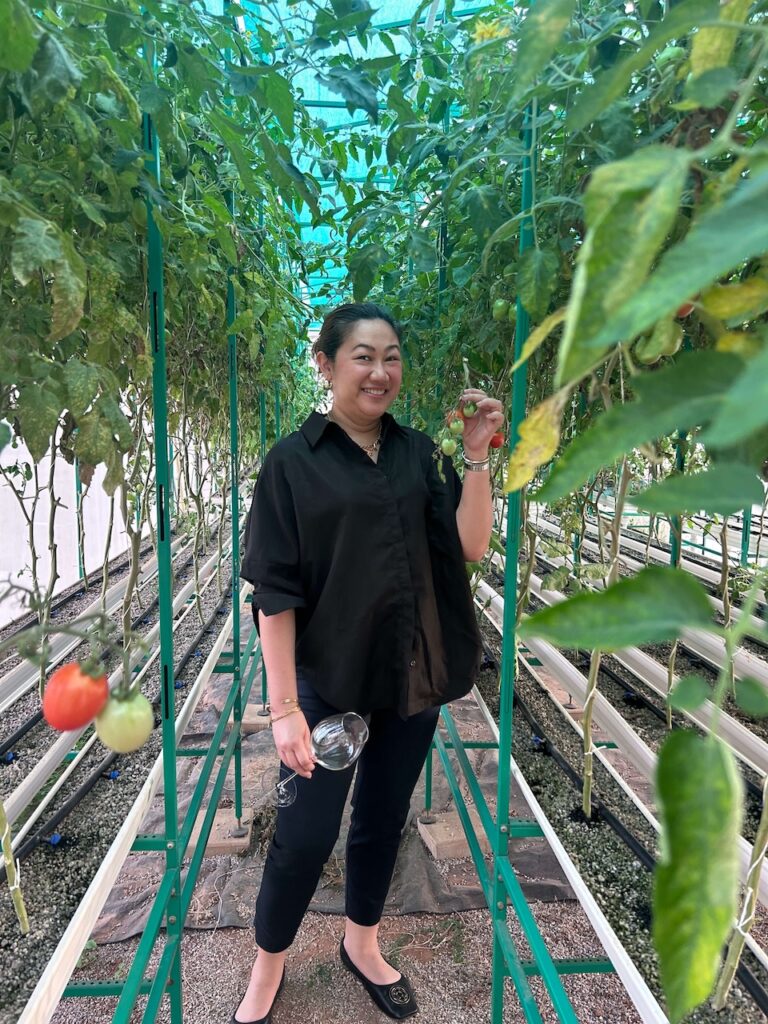
“I don’t think there’s such a thing as ‘Indian cuisine’—not as one single thing, anyway,” explains chef Johnson Ebenezer, chef patron and co-founder of Farmlore, an intimate 18-cover, farm-to-table destination set on a 15-hectare estate in Yelahanka, just outside Bengaluru.
“I’d rather call it, the way (British-based celebrity chef) Atul Kochhar does, the ‘cuisines of India’— plural, because that’s the only honest way to say it. What we eat in Chennai has almost nothing in common with what’s eaten in Kashmir, or Kerala, or Punjab, except that all of it happens to be cooked within the same borders.”
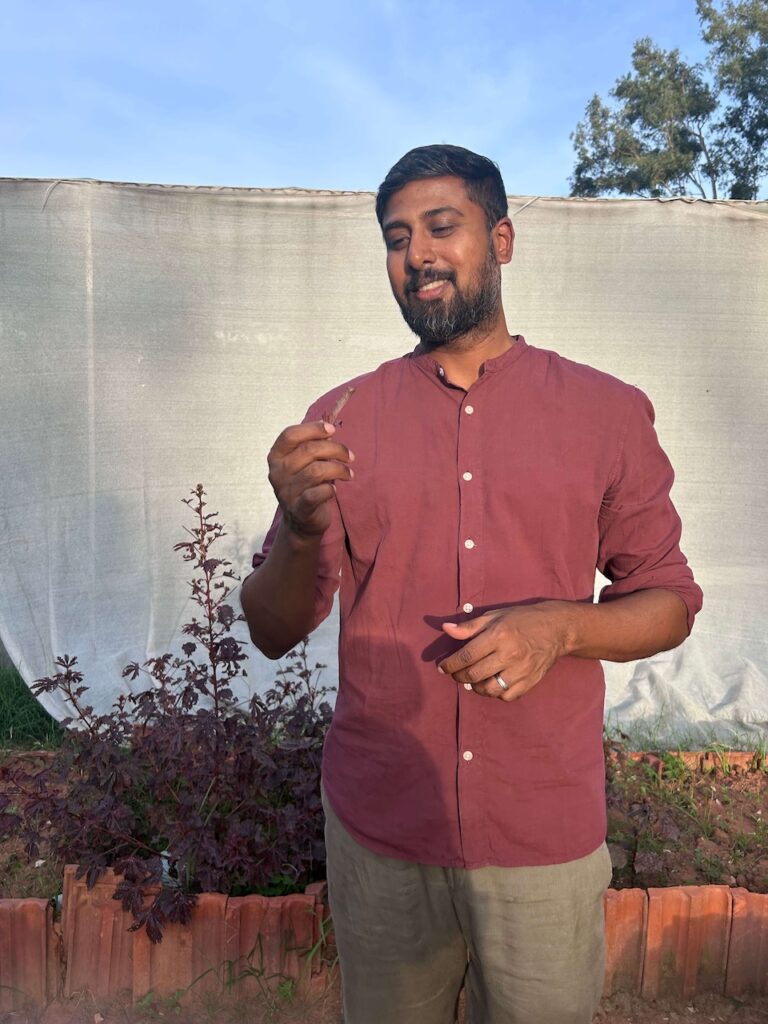
His co-founder at Farmlore, Kaushik Rao, echoes this perspective, pointing out the impossibility of capturing the entire country under one umbrella menu. “It’s very hard to describe Indian cuisine as there isn’t one cuisine,” Rao observes. “We say cuisines of India as the food changes every 100 square kilometers, and within that, every house has its own variations and interpretations.”
A masterclass in balance
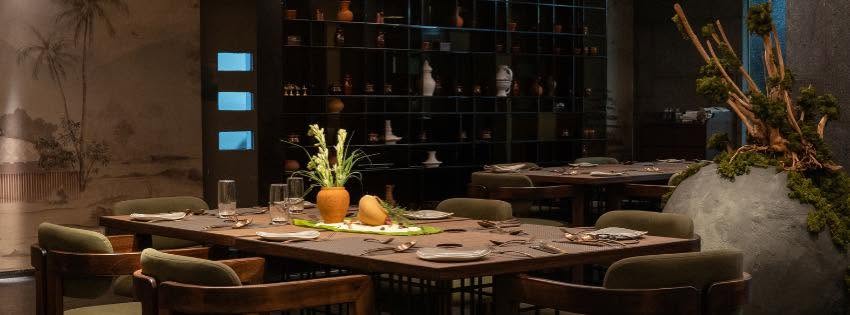
At Rao’s restaurant Tijouri in Bengaluru’s city center, he drives this point home with his elevated pop-up home cooking concept that takes regional cuisine a step further by gathering heirloom recipes from Indian homes. Here, they offer tasting menus of mutton kofta in a rich brown curry; crisp dosas fresh off the griddle served with various daals; and playful reinterpretations of beloved favorites like a chili chicken taco.
For international visitors, realizing that a Kerala stew relying on delicate coconut milk and mustard seeds shares virtually no DNA with a Punjabi winter mustard-greens mash or a Kashmiri yogurt broth is an epiphany. What connects these various regional flavors is not a shared recipe book, but a masterclass in balance.
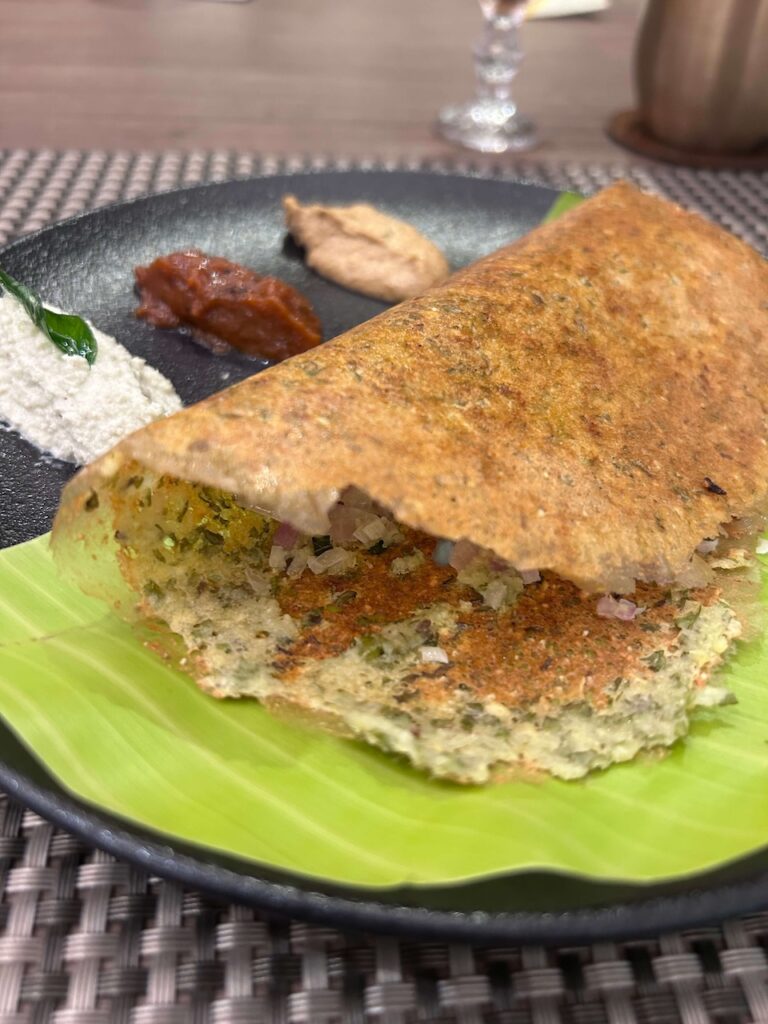
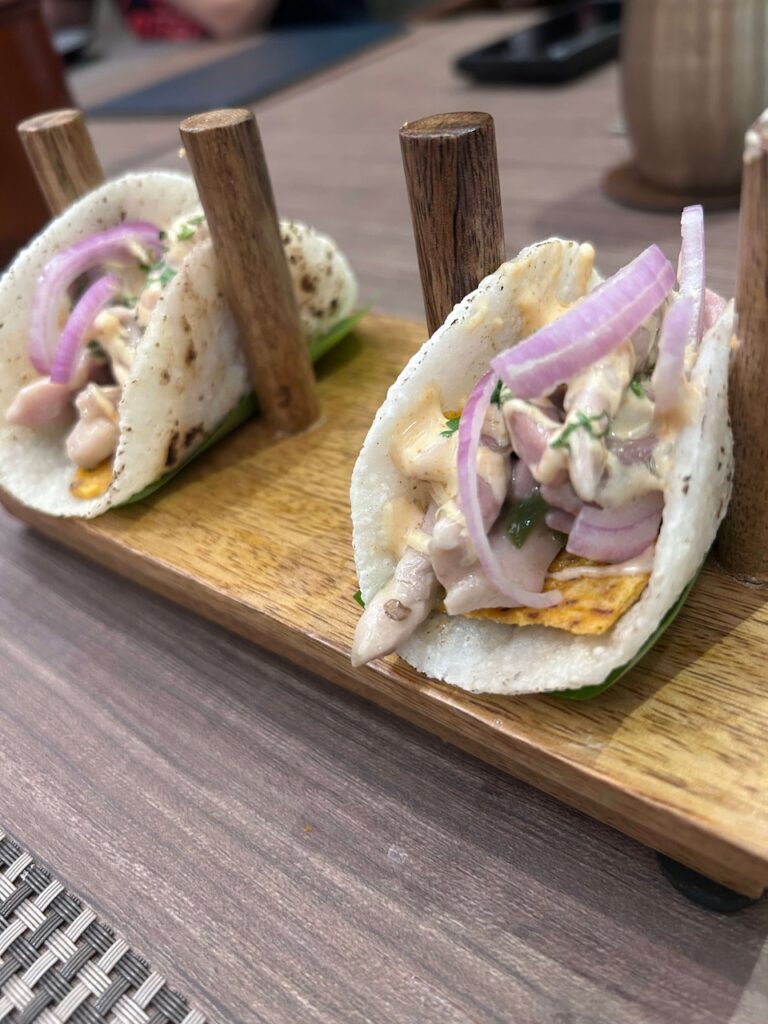
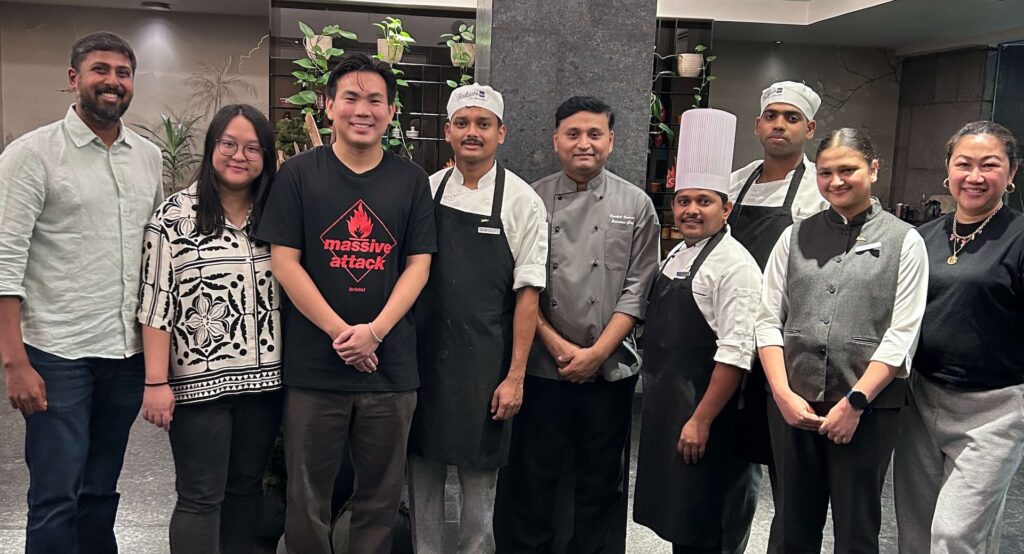
Historically, fine dining in major Indian metropolitan centers leaned outward. Upscale hotel dining rooms typically prioritized French, Italian, or pan-Asian concepts, while high-end Indian dining leaned heavily on North Indian Mughlai templates.
Regional delicacies—the food eaten daily inside homes, at their versions of karinderia, or along coastal beaches— were relegated to family kitchens or informal eateries. Today, visionaries are elevating these intimate home traditions into high-craft tasting menus without stripping them of their soul.
Cross a border between any two Indian states— or travel a mere 10 kilometers— and the dialect, spice box, staple grain, and cooking medium change entirely.
At Farmlore, chef Ebenezer cooks by a rigorous locavore ethos— sourcing every ingredient within a strict 150-kilometer radius. “Regional cuisine isn’t a theme, it’s the constraint we cook within,” says Ebenezer. “Karnataka’s own farms and seasons dictate the menu, not us.”
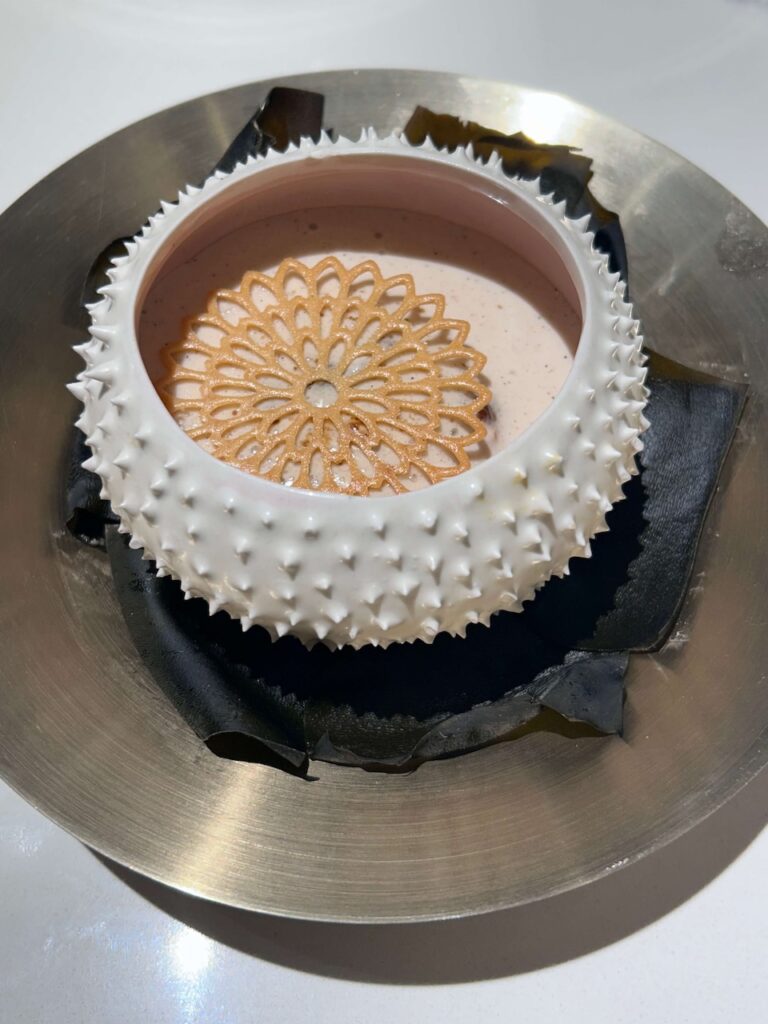
This hyper-local lens allows chefs to transform food nostalgia into high culinary art. Ebenezer recalls his earliest food memory: watching his father return home after a grueling hockey match to eat a humble bowl of fermented rice paired with salt fish and raw onions. Decades later, that exact emotional logic— balancing fermentation, salinity, and raw bite— became a foundational course on Farmlore’s tasting menu.
Understanding home
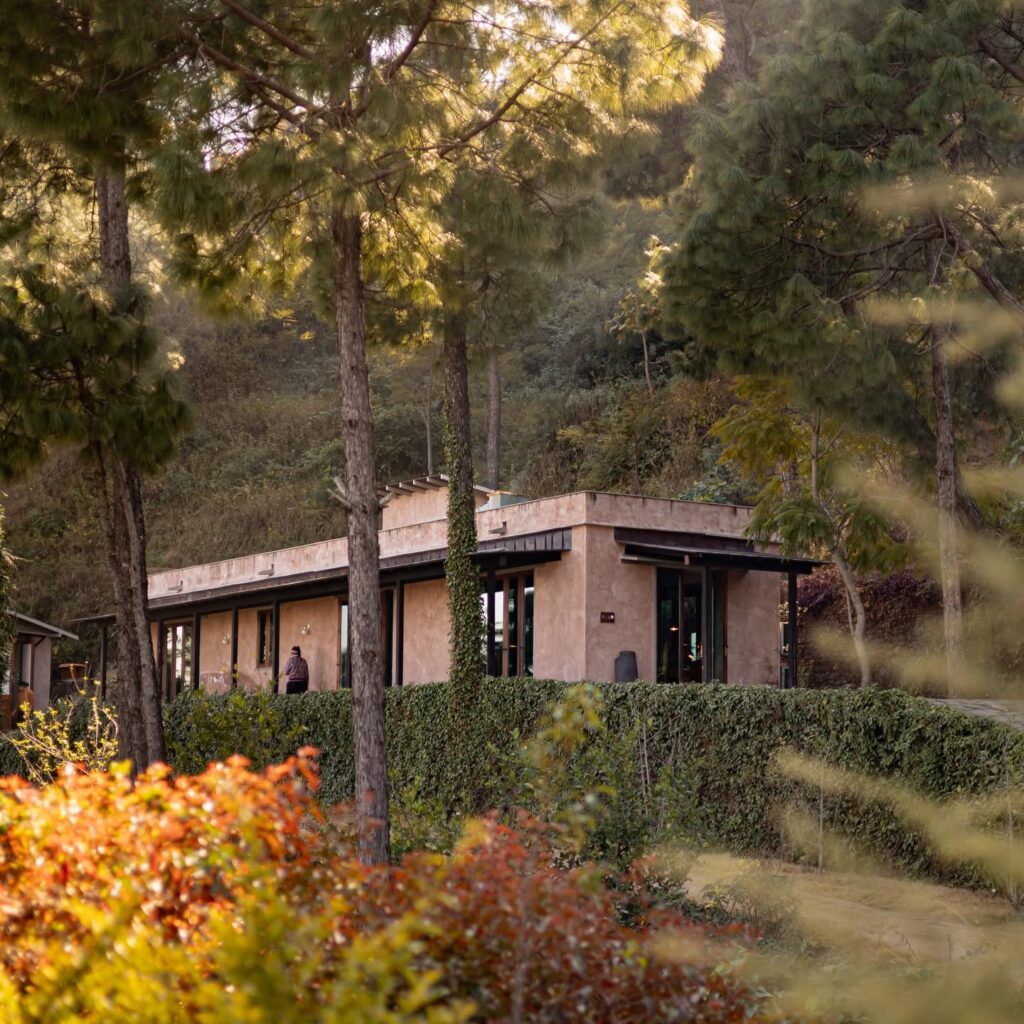
Further north, high in the Himalayan foothills, chef Prateek Sadhu approaches regionality through the lens of mountain survival and preservation at his acclaimed destination restaurant, NAAR. “I grew up in Kashmir, where food was never just about eating— it was how we understood seasons, family, and home,” Sadhu shares.
“Kashmiri cuisine is incredibly elegant. It’s subtle, layered, and built on patience rather than intensity. What shaped the cuisine most was winter. We dried vegetables like bottle gourd, turnips, and eggplant. We preserved fish, stored morels, and walnuts, and celebrated ingredients that could carry us through the snow. Preservation wasn’t a technique— it was a way of life.”
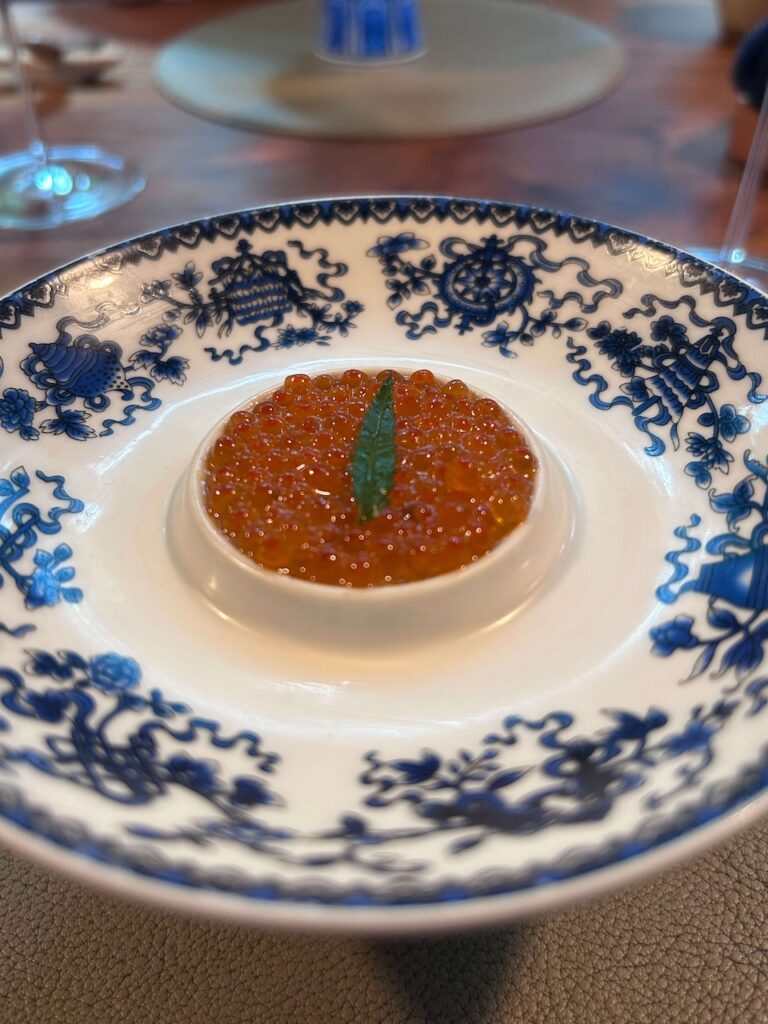
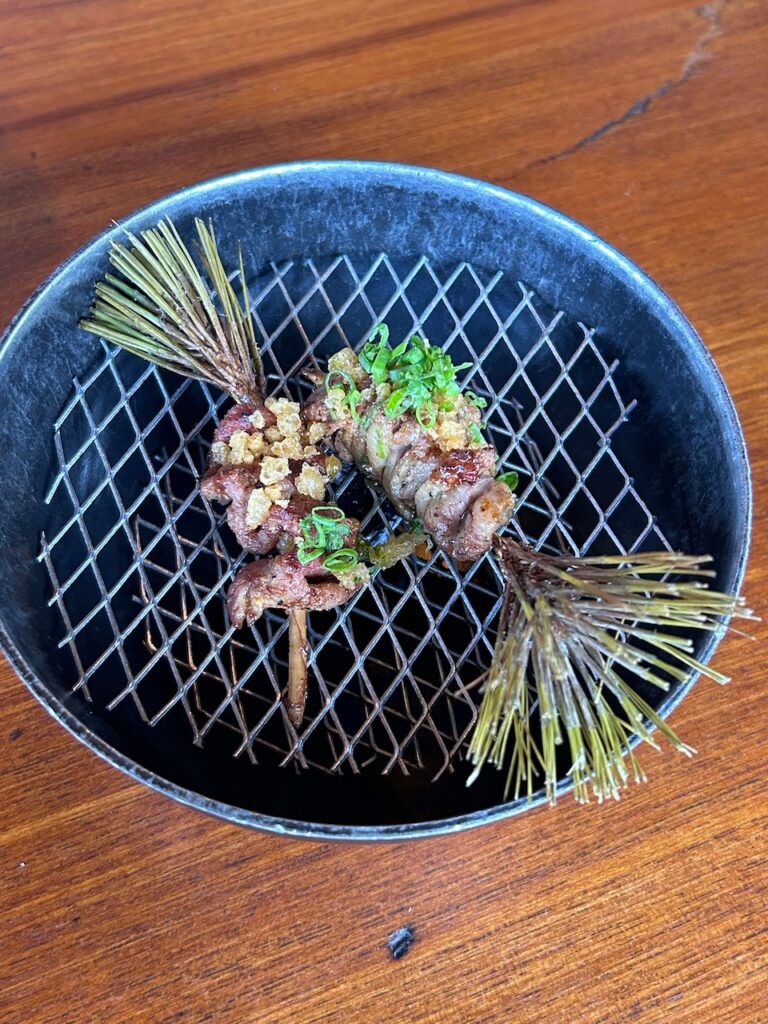
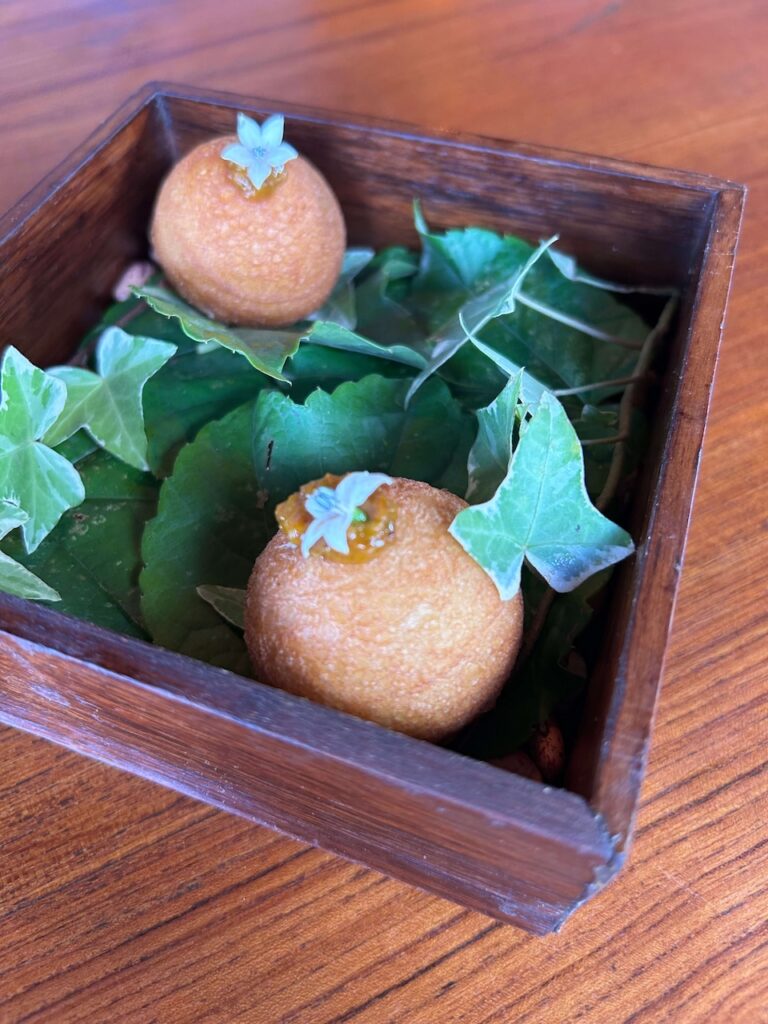
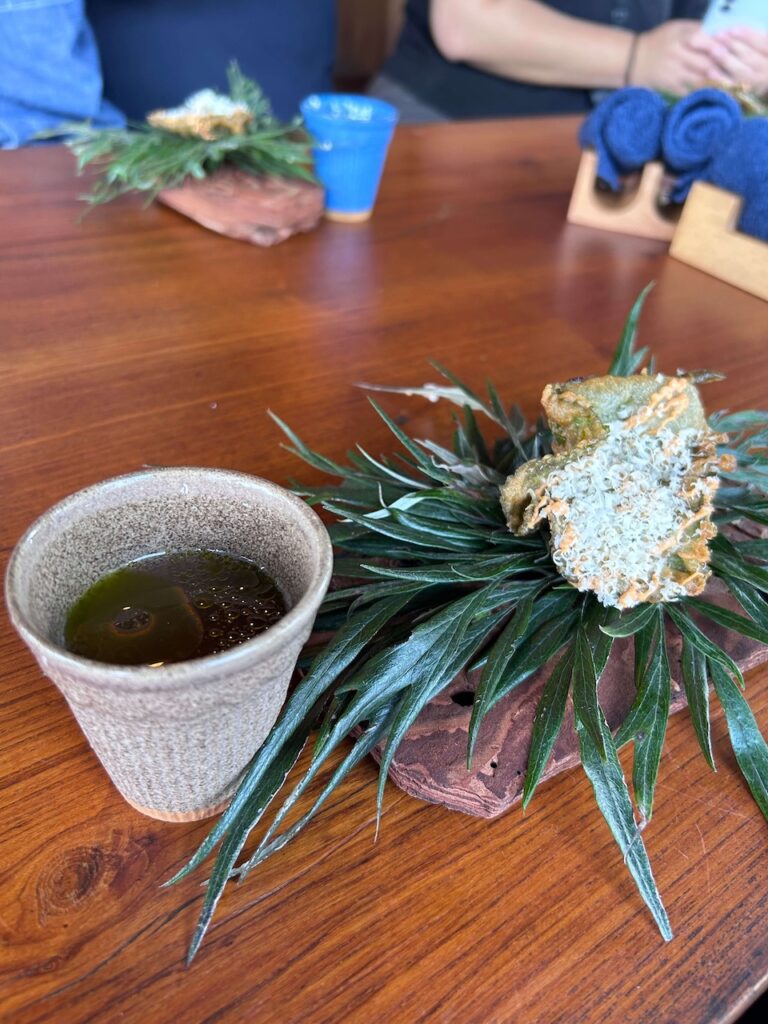
At NAAR, Sadhu curates an edible story of the Himalayan belt, utilizing wild-foraged greens, indigenous grains, and ancient cold-climate preservation methods. The experience begins at the bar, where mixologist Dixit Kaundal blasts some Marvin Gaye as he concocts libations consisting of syrups and infusions using local herbs and berries. His version of a vodka martini is topped off with a freshly picked pine needle that is fragrant and citrusy like a lemon rind.
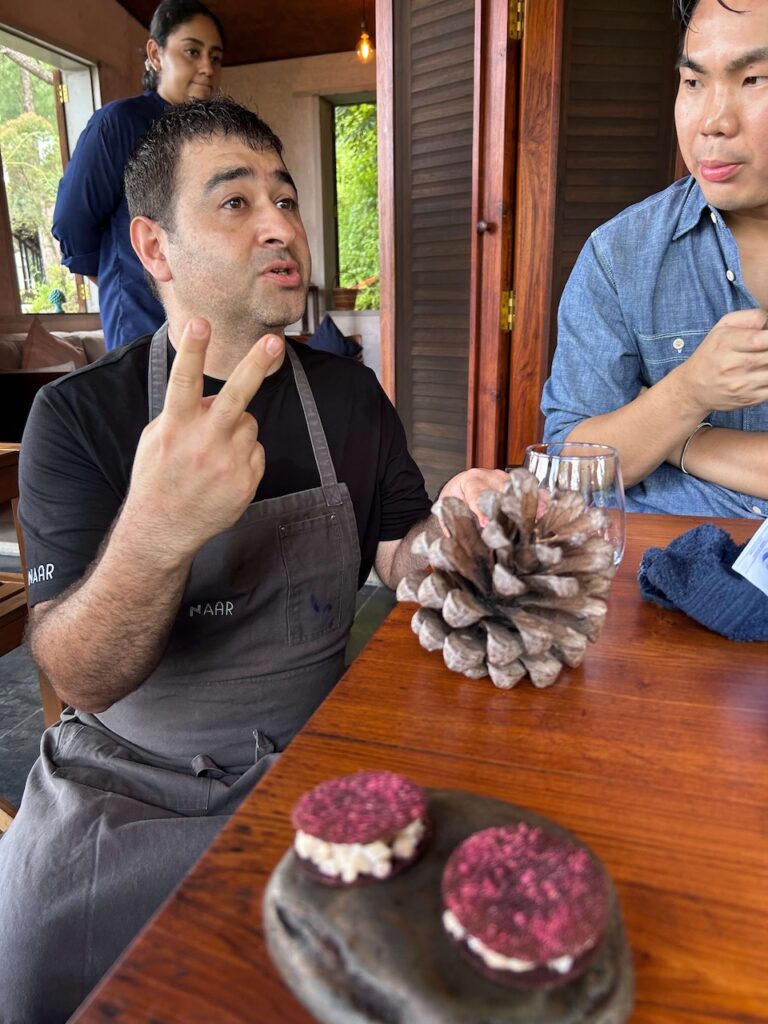
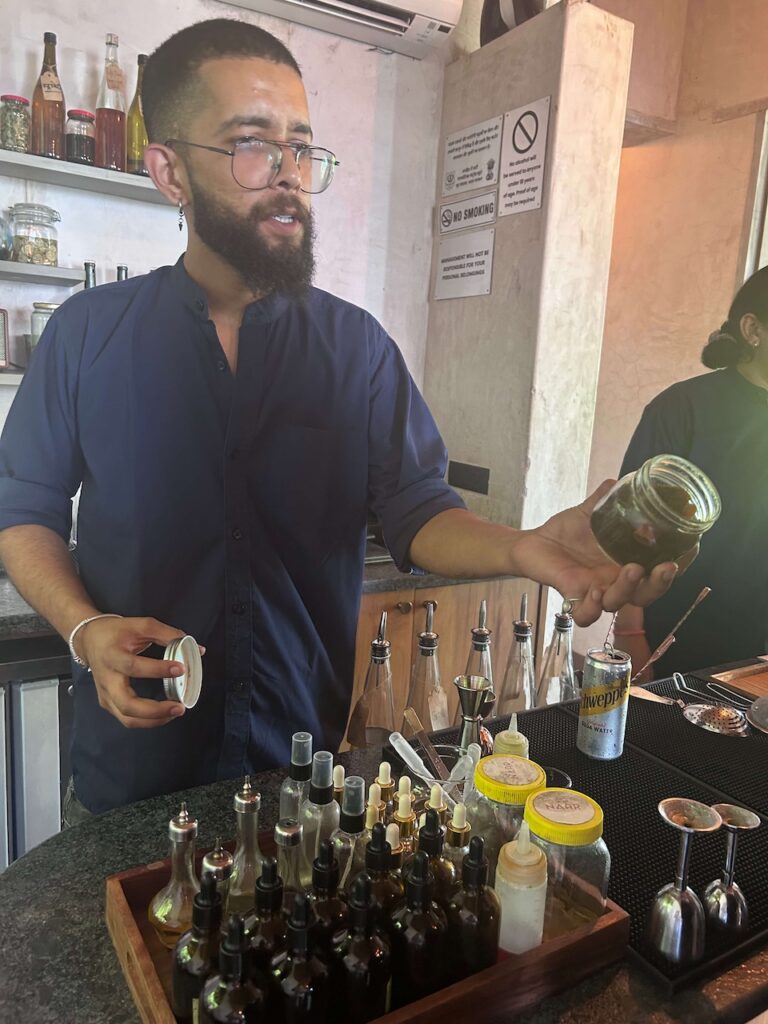
This style fits in perfectly with Sadhu’s philosophy, which directly challenges the outsider’s misconception that Indian food is uniformly heavy or aggressively spiced. “We’re telling the story of one mountain landscape,” Sadhu explains. “Nearly everything we cook comes from the Himalayan belt around us: wild mushrooms, foraged greens, local grains, and seasonal produce. The menu changes because nature changes, and that’s the philosophy we want people to experience.”

As regional dining claims its spotlight, chefs are introducing diners to ingredients and dishes that rarely travel outside their native borders. When asked about an ingredient he wishes enjoyed global recognition, Kaushik Rao immediately points to avarebele (hyacinth beans).
“I call it the Indian edamame,” Rao says. “It’s mostly consumed only in the South, has a great umami flavor, and is an ingredient that you can use to make curries, mixtures, sweets— one of the most versatile ingredients from here.”
Similarly, Ebenezer champions idiyappam (steamed rice noodles formed into discs) and prawn sodhi (a fragrant, delicate coconut-milk stew from Tamil Nadu). Meanwhile, Sadhu advocates for Nadur Yakhni, a classic Kashmiri dish featuring crisp lotus stem slow-simmered in a spiced, yogurt-based broth. “It’s comforting, refined, and captures the quiet soul of Kashmiri cooking,” Sadhu notes.
Evolving palates

Why is this regional movement reaching its crescendo now? The shift reflects an evolving domestic diner alongside a world hungry for culinary authenticity. Metropolitan hubs like Bengaluru have long been multicultural melting pots, but local diners are now demanding specificity over generic international offerings.
“What’s genuinely new is regional cuisine being taken seriously as a fine-dining language in its own right,” Ebenezer reflects. “Diners have traveled more widely and eaten more discerningly, leaving them less willing to accept generic renditions of food they know exists in far more specific, textured forms.”
I grew up in Kashmir, where food was never just about eating—it was how we understood seasons, family, and home,’ NAAR chef Prateek Sadhu shares.
For someone who has made a career out of eating a variety of cuisines, stepping into this new era of Indian gastronomy is deeply thrilling to me.
The true luxury of eating across India today isn’t found in imported ingredients like caviar, black truffle, or the usual clichés of indulgent dining. It is found in a bowl of mountain lotus stem preserved through cold winters; a drop of coconut sodhi crafted from local palms; or a handful of seasonal avarebele grown in the restaurant’s hydroponic hothouse.
India’s culinary landscape is finally being defined on its own terms—one region, one season, and one story at a time.
Related story: Ube is having a moment, and the world is catching on
Related story: Can restaurants reject their Michelin stars? These chefs did—and here’s why