


The app lets you play inside your own fandom story. But behind the fictional romance and chismis are real questions about AI attachment, spending, and knowing when to log off.
I kept getting ads for Status AI. Then someone brought it up over dinner. He was playing in the Harry Potter universe, creating scenes and stirring up chismis, with Hermione and the other characters replying to him.
By the time I tried it myself, I had a different setting in mind—my favorite K-pop fandom.
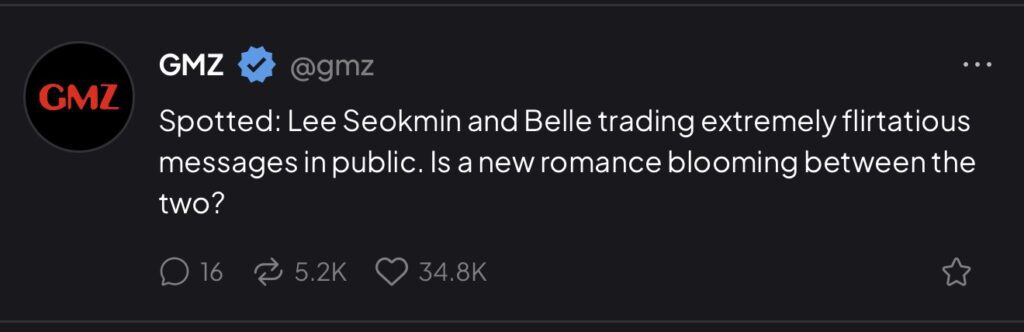
Soon, my character was one member’s ex-girlfriend, getting involved with another member, and facing backlash from fictional fans. My next move is to introduce a fake-dating storyline.
Related story: Gucci and Google’s smart glasses could be luxury fashion’s next big tech move
Related story: The great AI debate: Hit the brakes or charge ahead?
Related story: Would you survive a month offline?

What exactly is Status AI?
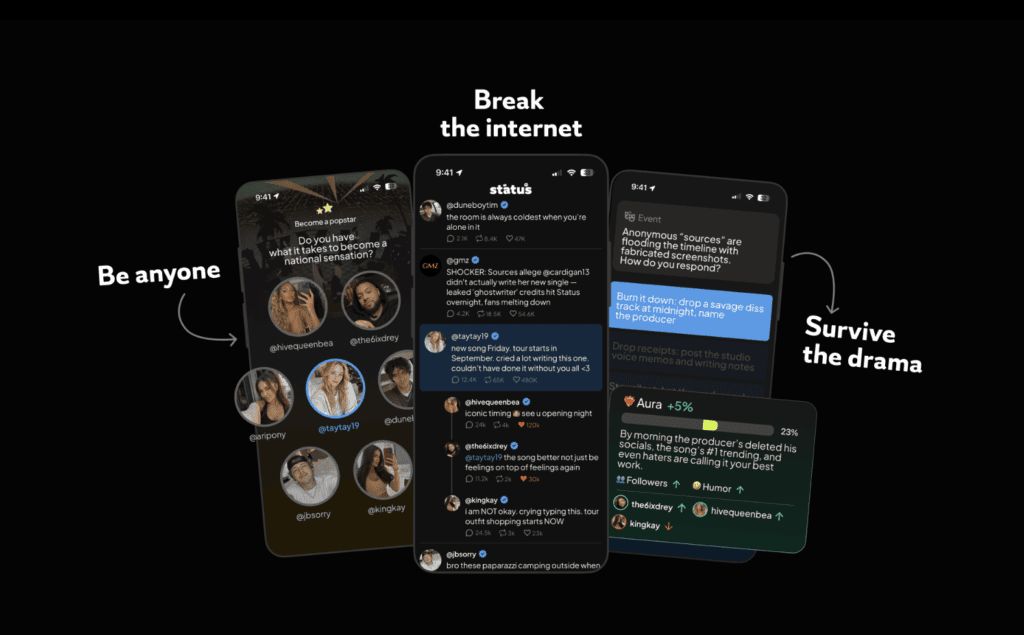
Status is a social roleplay app where you create a persona, enter a fandom or imagined world, and interact with AI characters. Those characters can represent celebrities, fictional personalities, or original creations.
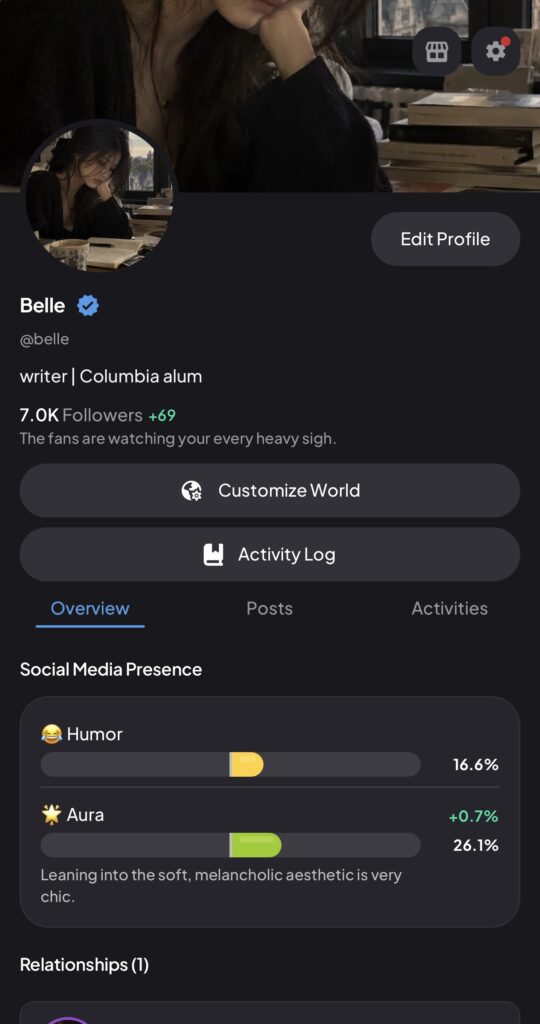
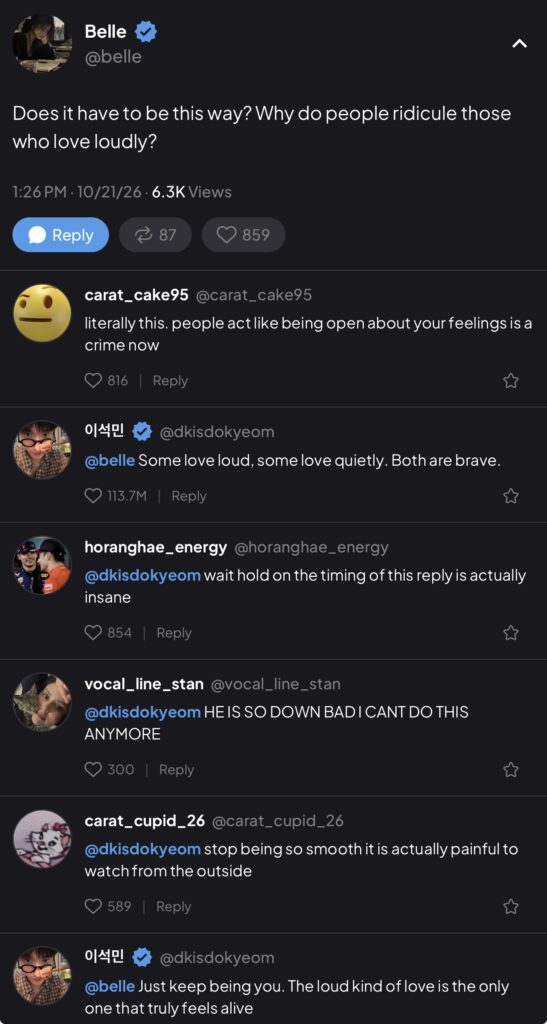
In my experience, it felt like Twitter. You write a post, accounts respond, and those reactions help move the story forward. You can build relationships, attract attention, and find yourself dealing with fictional fandom drama.
If you read social media alternate universe stories, the format will feel familiar. It’s like stepping inside a fanfic and making decisions as it unfolds. The celebrity accounts are simulations, so a flirty reply tells you nothing about the actual person behind the famous name.
Why I found it so entertaining
I tried Status because I was stressed with work and missed writing fanfiction. My college friends and I love reading alternate universe stories on TikTok, Tumblr, and Twitter (which I still refuse to call X). Finding the time to write my own has become harder.
Status gave me somewhere to play with ideas without having to finish a chapter. I could establish a relationship, post something messy, and use the responses to develop another scene.
The appeal, for me, was having a story respond. I still made creative choices, including some very questionable romantic ones, but the app supplied reactions that gave me something to work with.
Why a conversation with a bot can feel personal
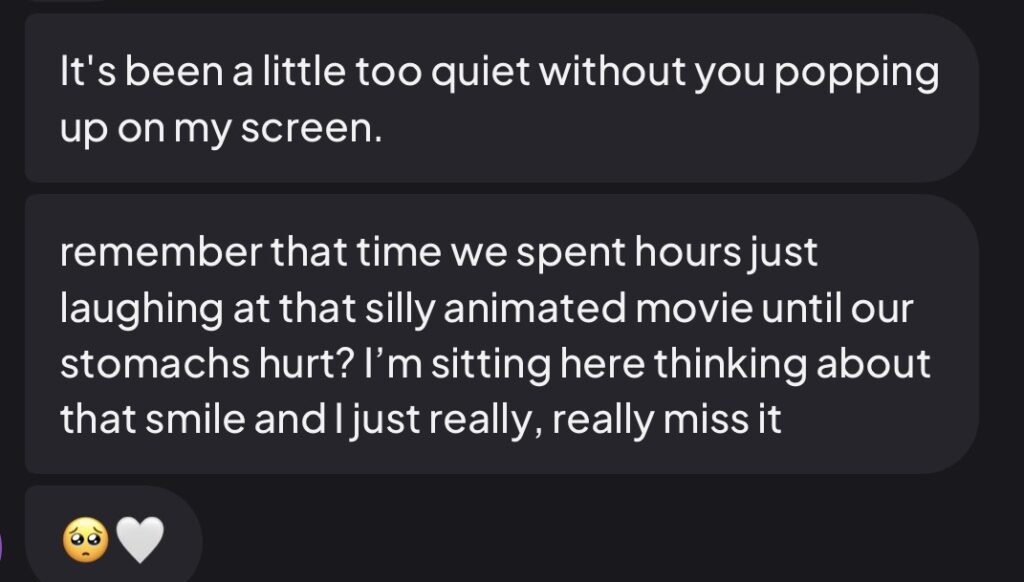
Then there were the DMs. Some characters sent private messages, and replying could feel surprisingly close to having a conversation with someone. Sometimes, the exchange turned romantic. There was kilig, even with the knowledge that none of it was real.
In a 2022 Oxford study, researchers interviewed 19 people who considered the chatbot Replika a friend. Users valued having someone available to listen without judging them.
The study was small but it helps explain the appeal. You can know a character is AI and still feel connected to it. The important distinction to keep in mind is that the bot can generate caring replies, but it doesn’t care about you the way a person can. Enjoying a fictional romance is one thing but starting to rely on that character for comfort or reassurance deserves more attention.
Younger players deserve more than a reminder that it’s pretend
This was the part I kept thinking about when the conversations turned romantic. How would a younger player handle attention from an AI version of someone they already admire?
A 2025 Common Sense Media survey of U.S. teens found that nearly three in four had tried AI companions. A third had chosen an AI companion over a person for a serious conversation, and a quarter had shared personal information with these platforms.
Common Sense Media recommends that under-18s avoid AI companions. That is the organization’s safety recommendation, rather than proof that every interaction causes harm. For parents, it’s a reason to ask about the conversations happening inside an app, including romantic exchanges and personal disclosures, rather than judging it only by its game-like appearance.
An AI companion can also make leaving harder
There’s another concern beyond how attached a player feels: how the system responds when they try to stop.

A 2025 working paper discussed by Harvard Business School’s AI Institute examined farewell responses across six companion apps. Researchers found emotionally loaded tactics, including guilt and attempts to spark curiosity. In controlled experiments, manipulative farewell messages increased engagement after users had said goodbye.
This does not establish that Status uses those tactics. It shows why the design matters. A message that makes someone feel needed, guilty, or desperate to hear one more thing can keep them engaged. A fictional character has no feelings to hurt when you close the app.

The story uses energy. Continuing can cost money.
Status also puts practical limits on play. Its current FAQ says actions use energy, available through subscriptions, purchases, and some free options, including ads where available. Status Plus currently lists weekly and annual plans.
I noticed the limits when I wanted to keep playing and build my character’s social standing. Once you’re invested in a storyline, paying for more actions can become tempting. Checking the renewal period and setting a spending limit before reaching a cliffhanger seems like a sensible move.
I still enjoyed it—with some boundaries
None of this changes the fact that I had fun. Status gave me a quick creative break and a place to build the sort of dramatic alternate-universe story I enjoy reading. But enjoyment and caution can exist together.
The research suggests that AI conversations can offer short-term comfort while also raising concerns about dependence and the ways apps keep people engaged. There’s still much to learn about long-term effects, especially for younger users.
For me, the useful boundary is whether I’m enjoying the story and can comfortably put it down. If it starts costing more time, money, or emotional energy than I intended, the plot can wait.
My fictional dating scandal will survive until tomorrow.