
Fake delivery apps and online stores are gaining attention as users look for the thrill of ordering without the bill.
Have you ever opened a food delivery app or shopping site just to look, browse, add something to your cart, even when you knew you were not going to order anything?
Some users in Korea are turning that habit into a no-spend activity. They are using “dopamine sites,” online spaces that mimic the experience of ordering food or shopping without any real purchase.
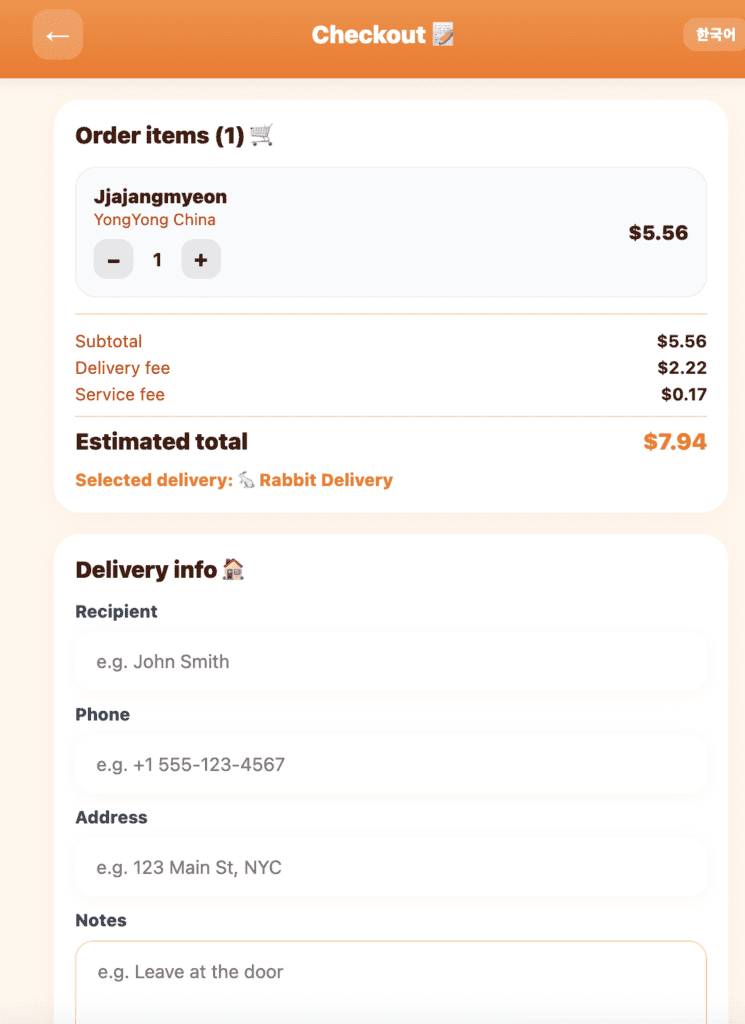
These sites copy the familiar motions of online buying, from browsing menus and adding items to a cart to pressing order and tracking a delivery. The difference is that no money is charged and nothing arrives.
Related story: Tax refund guide: How much can you really save shopping abroad?
Related story: Old habits die hard: Study reveals in-person shopping remains significant in PH
How did fake shopping become a comfort habit?
“Dopamine” sites are websites or apps designed to give users a quick feeling of satisfaction. In this case, they recreate the small thrill of online shopping or food delivery without the actual purchase.
According to a report by The Korea Times, young Koreans have been using these sites for quick comfort, stress relief, and even to manage late-night cravings.
The report cited Kim, a 25-year-old office worker who visits a fake food delivery site late at night. The site lets him choose menu items, add them to a cart, and simulate placing an order, even though nothing gets delivered.
“It somehow feels like I actually ordered something,” Kim told The Korea Times.
Kim said the site helps when he wants food late at night but does not want to spend.
“There are many times when I crave food late at night but hold back to save money. It feels like a real delivery app, so I somehow keep looking at it,” Kim said.
The appeal is easy to understand because the site copies the most satisfying parts of using a delivery app. Users still get to scroll, choose food, build a cart, and reach the moment before checkout. The food becomes less important than the feeling of ordering.
“I don’t end up ordering anything, but it feels like it relieves a little stress,” Kim said.
How does FoodNeverComes work?
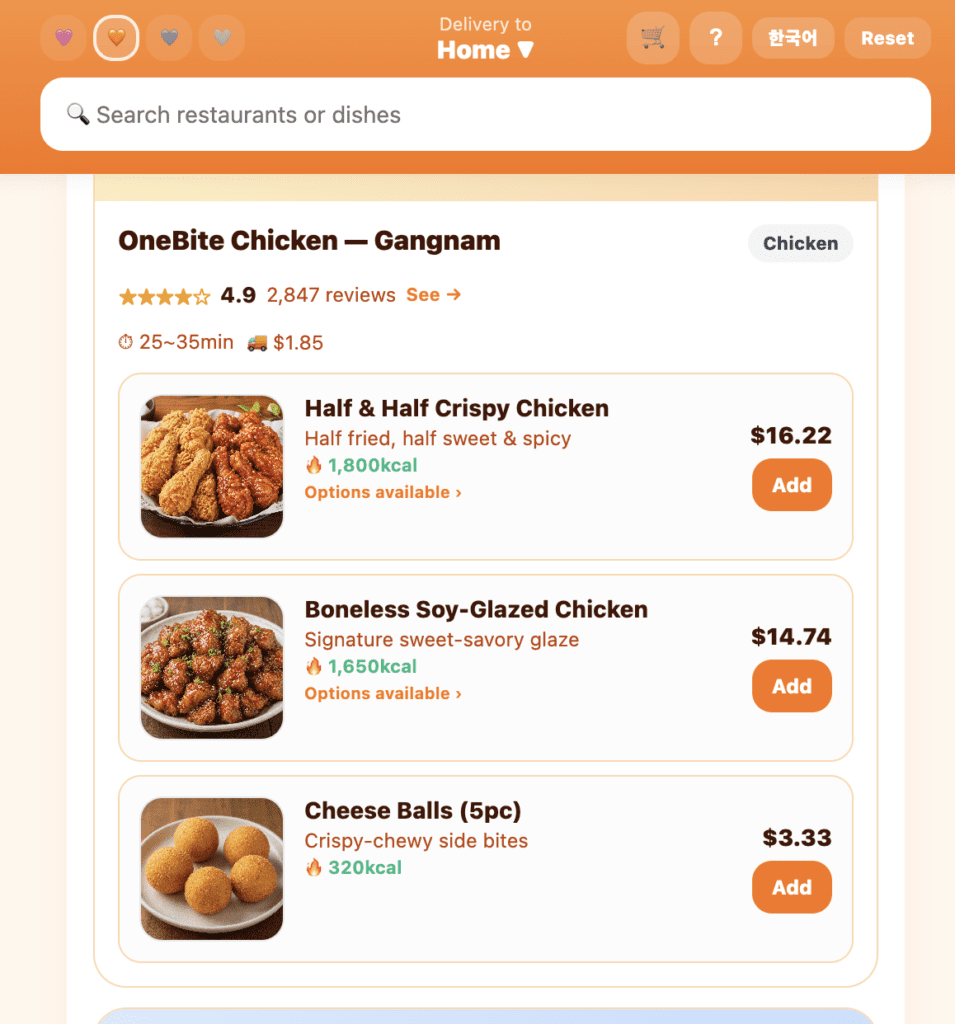
FoodNeverComes, one of the better-known examples of the trend, works like a food delivery platform.
Users can browse restaurants, pick dishes, customize an order, enter an address, choose a payment method, and track a courier on a map. The name gives away the catch: the food never comes.
In a report by Fast Company, South Korean developer Malhee said the idea came from repeatedly opening and closing delivery apps at night.
“I started it as a joke at first, but surprisingly, just satisfying that urge to ‘order something’ made it weirdly fulfilling without actually ordering,” Malhee posted on X.
It is easy to see why that behavior feels familiar. Impulse spending is not always about needing something. Sometimes, it starts with boredom, stress, habit, or wanting a quick mood boost after a long day.
“Everyone is like that these days, aren’t they? Not because they are hungry, but just out of habit, out of boredom, that your hand reaches for the delivery app first. I created this app to try and break that pattern. Malhee said. “Everyone is welcome—those who want to quit delivery apps but can’t, those on a diet who keep reaching for them, or just those who want to check out a cool app.”
Why does fake shopping still feel satisfying?
The answer may have something to do with dopamine, a brain chemical linked to pleasure, reward, and motivation.
Harvard Health Publishing explains that dopamine is part of the brain’s reward system and can be triggered by activities such as shopping, sex, and even smelling cookies baking. It also plays a role in reinforcement, which helps explain why people repeat behaviors that once felt rewarding.
In simple terms, the brain does not only respond when we get the reward. It can also respond while we are expecting it.
That is why fake shopping can still feel satisfying. Dopamine sites recreate the buildup of online buying: browsing, choosing, checking out, and tracking. Users get the feeling of doing something rewarding without the delivery fee, buyer’s remorse, or next-day regret.
Kim Heon-sik, a professor at Jungwon University, compared the trend to mukbang, where viewers watch people eat and feel a kind of secondhand satisfaction.

“Recently, there has been more content that lets people indirectly experience things such as alcohol, cigarettes and food,” Kim told The Korea Times. “These sites also reflect a desire to experience a similar satisfaction or atmosphere without partaking in real life.”
Can these sites actually help people buy less?
For people trying to cut down on delivery orders or impulse shopping, dopamine sites may help at the moment. They give the craving somewhere to go without touching the bank account.
Critics, however, are not fully convinced. VICE noted that some users outside Korea dismissed the idea as pointless or bleak. Fast Company also reported that some social media users saw it as a sad reflection of late-stage capitalism, while others compared it to adults playing pretend.
The concern is fair. A fake checkout button may stop a real purchase, but it does not fully break the habit. The scrolling stay and the search for a quick digital reward stays. Only the payment disappears.
That makes dopamine sites both useful and a little worrying. They may help users pause before buying, but they also show how closely comfort has become tied to online consumption.
Kim Heon-sik also said that the trend reflects the burnout and anxiety many young people feel.
“This is an era marked by uncertainty about the future and burnout,” he said. “People now tend to find comfort simply in feeling loosely connected online.”
In an internet designed to make people buy more, a fake checkout button might be useful. Maybe even practical.
But if the cart is fake and the comfort feels real, does it still count?
Related story: After years of telling us to buy, buy, buy, the internet is having second thoughts
Related story: Are screens taking over our lives?