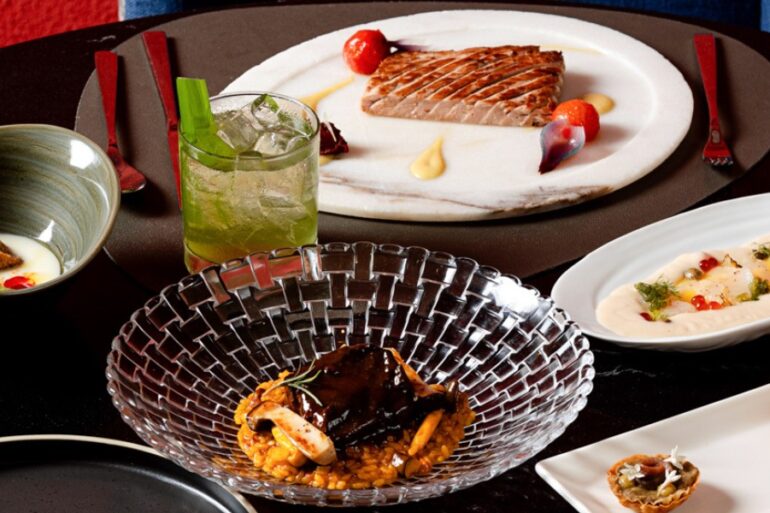
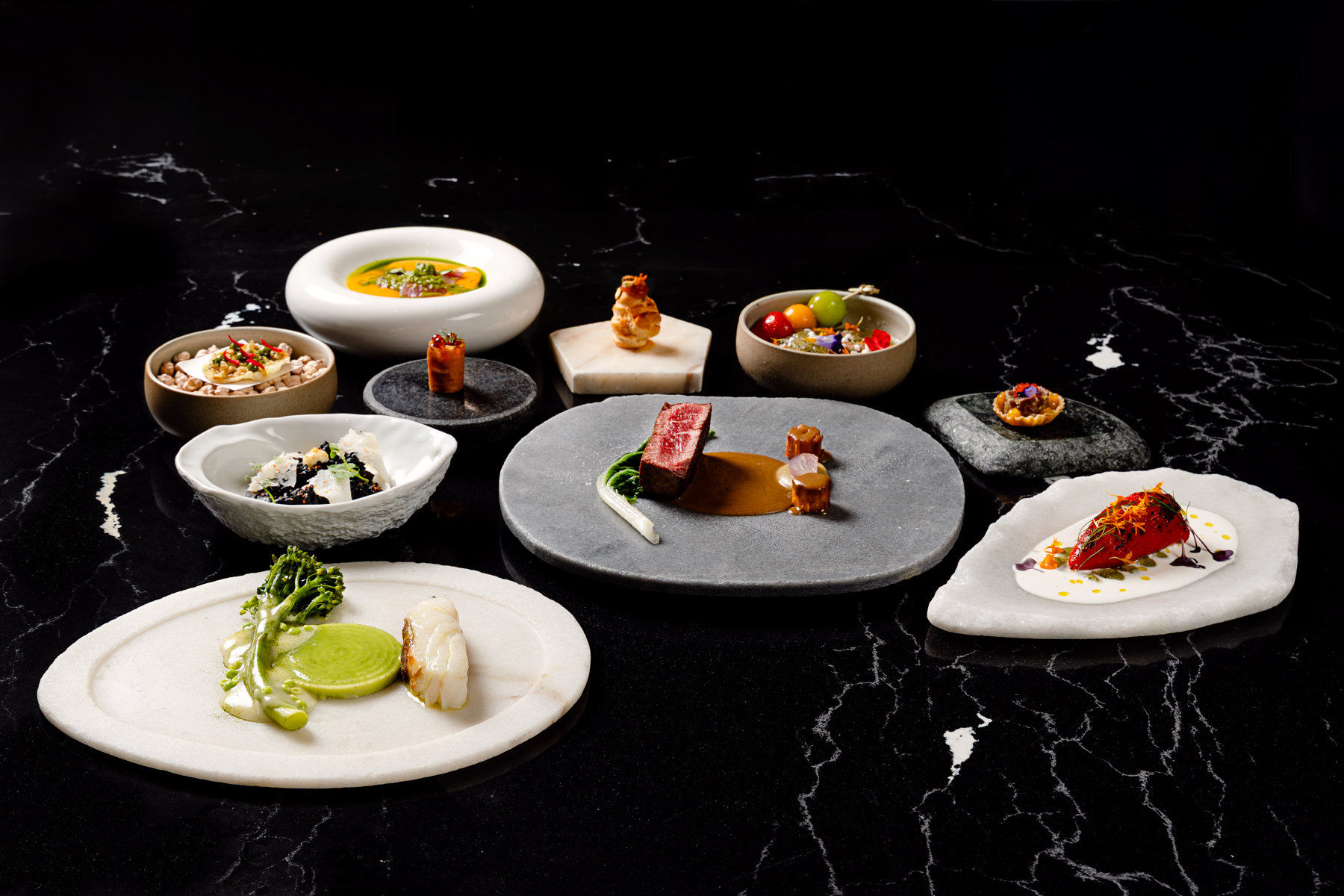

Los Chicucos honors the historical connection between Cantabria and Cádiz, the hometowns of creative culinary director Chele González, and chef de cuisine Álvaro Romero-Abreu Raya.
Amid three weeks of relentless monsoon rains across Metro Manila, a welcome taste of summer has arrived. The source? Los Chicucos, the newly launched menu at Cantabria by Chele González at The Westin Manila.
The lineup honors the historical and gastronomic connection between Cantabria and Cádiz, the hometowns of Cantabria’s creative culinary director, Chele González, and chef de cuisine Álvaro Romero-Abreu Raya, while adding a much-needed dose of Spain’s signature summer flavors.
The POST was invited to a special media preview of the Michelin-selected restaurant’s new menu last Tuesday, August 11, just as the metro was bearing the brunt of the monsoon’s rage. Escaping the downpour for a warm, comforting dinner couldn’t have come at a better time—and the refuge began immediately with a vibrant parade of small bites.
Related story: Cantabria by Chele Gonzalez boasts new flavors—and a new Spanish chef
Related story: Wild Cantabrian turbot is king at Chef Chele Gonzalez’s new restaurant
A mini tapa fiesta for starters
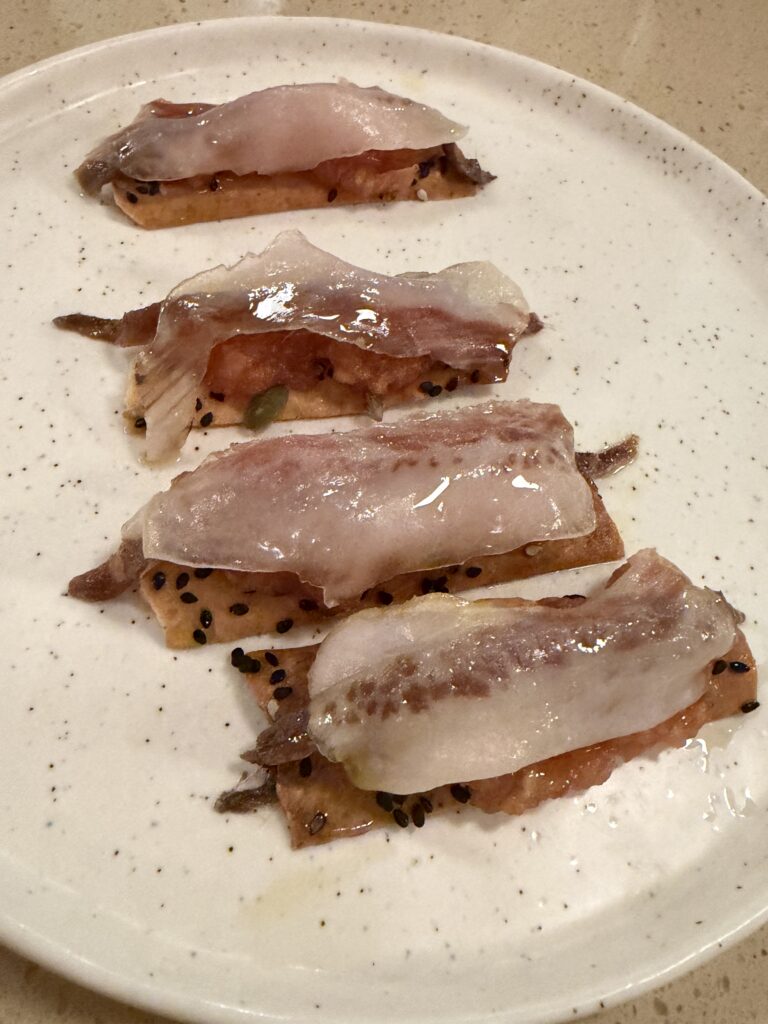
No Spanish feast is complete without tapas. In fact, as soon as I set foot inside Cantabria, I was handed my first plate of tapas, much to my joy. We began with the pan tumaca Cantabria, featuring fresh tomatoes, Arbequina oil, Cantabrian anchovies, and Ibérico guanciale.
The anchovy was the showstopper in this creation—subtly salty and a brilliant counterpoint to the richer guanciale. True enough, chef Chele noted that these anchovies hail from Santoña, a small town in Cantabria widely renowned for producing the finest in the world.
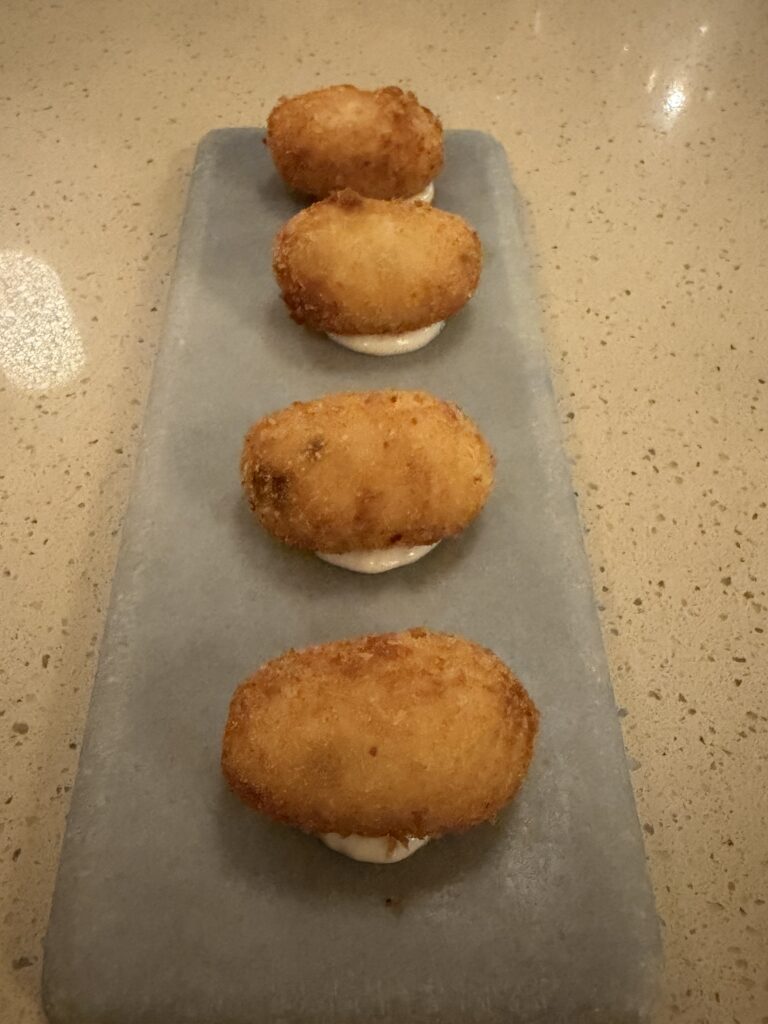
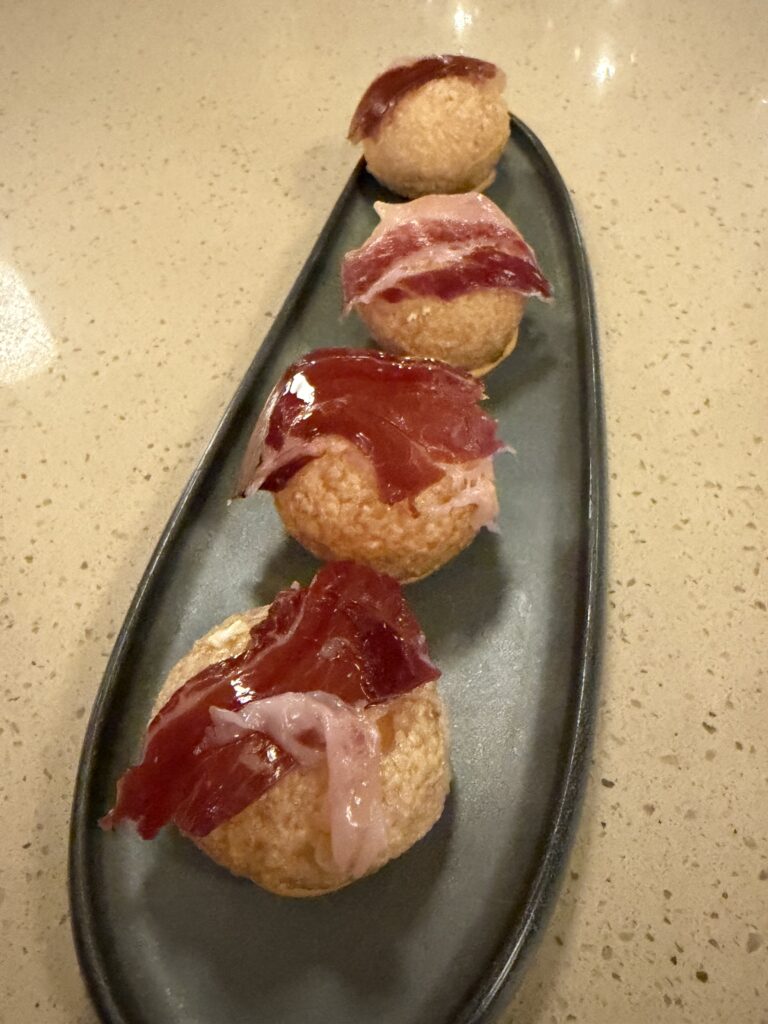
Next came the classic croquetas de jamón Ibérico, delivered in all their creamy, traditional glory. The croquettes were indulgent, but for me, the standout of the opening bites was the bombas de jamón Ibérico—crisp pani puri shells filled with a surprisingly smooth, vibrant gazpacho that delivered a literal burst of flavors.
Though served as a welcome treat outside the Los Chicucos menu, these delightful tapas set a fitting tone for the evening.
A tale of two Spanish cities
My first thought upon accepting Cantabria’s invitation was: why call the menu Los Chicucos?
That question was answered by chef Chele himself. Indulging us with a short history lesson, he mentioned that his hometown of Cantabria and chef Álvaro’s, which is Cádiz, sit on opposite ends of Spain.
“Here it’s like Ilocos, then you go to Mindanao. Obviously, the culture and gastronomy are different,” chef Chele quipped. “If you check the menu, you will see on top ‘Los Chicucos,’” he continued. “During the 18th and 19th centuries, Cádiz became one of the most important ports in the world. It was connected by the Galleon Trade from America to the Philippines. It was a very rich city.”
As Cantabrians, called los chicucos, migrated down to Cádiz for business, they introduced their seafood heritage along with oil-curing, cold-chain handling, and preservation techniques that turned local catches into shelf-stable staples. This resulted in a robust north-south network.
Related story: Cantabrian Christmas: Coastal, Spanish, and Michelin-Selected
Related story: At Flour Pot in BGC, comfort food comes with plenty of local flavor
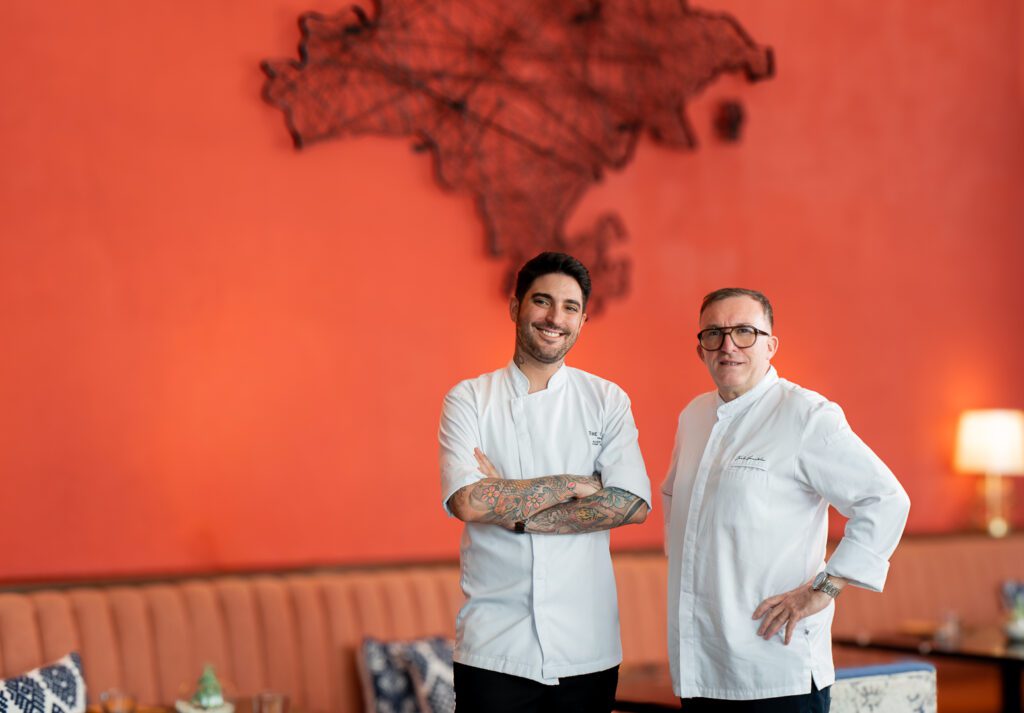
This history inspired Cantabria’s latest menu, with the resourceful los chicucos bridging the birthplaces of chefs Chele and Álvaro. “Our new series reflects the collaborative spirit between Álvaro and myself,” explained chef Chele. “It’s a dialogue translating flavors, techniques, and heritage from northern and southern Spain into a five-course experience. Much like the journey of los chicucos, it’s our way of sharing our roots with the community.”
“Every version of our Los Chicucos menu will feature a personal and contemporary interpretation of heritage recipes from the north and south of Spain, while staying true to their essence and tradition,” said chef Álvaro. “This gives us room for more creativity in curating each selection according to different seasons, drawing inspiration from our memories, and showcasing the best products available.”
To complement this sumptuous marriage between north and south, the menu offers wine pairings meticulously selected by sommelier Besay Gonzalez, CEO of wine and gourmet shop Txanton, who is as much Filipino as he is Spanish, having lived in the Philippines for 15 years, a year longer than chef Chele.
A burst of summer in every bite and sip
Easing us into the menu was another trio of tapas served as a prelude to the main feast. First was the Canelón Crujiente de Ensaladilla de Salmón Ahumado, Ikura y Eneldo—a crunchy roll stuffed with smoked salmon, potato salad, ikura, and dill. The salmon was exceptionally fresh, and the ikura carried such a wonderful wave of umami I could almost imagine taking a bite right by a shore.
Next came the Buñuelo de Queso Idiazabal al Pimentón y Gel de Membrillo con Pistachos, a paprika-smoked cheese puff with quince gel and pistachios, best enjoyed in one full bite. Inspired by a classic Spanish cheese board, it highlighted Idiazabal, one of northern Spain’s most celebrated cheeses, with a sprinkle of nuts for crunch.
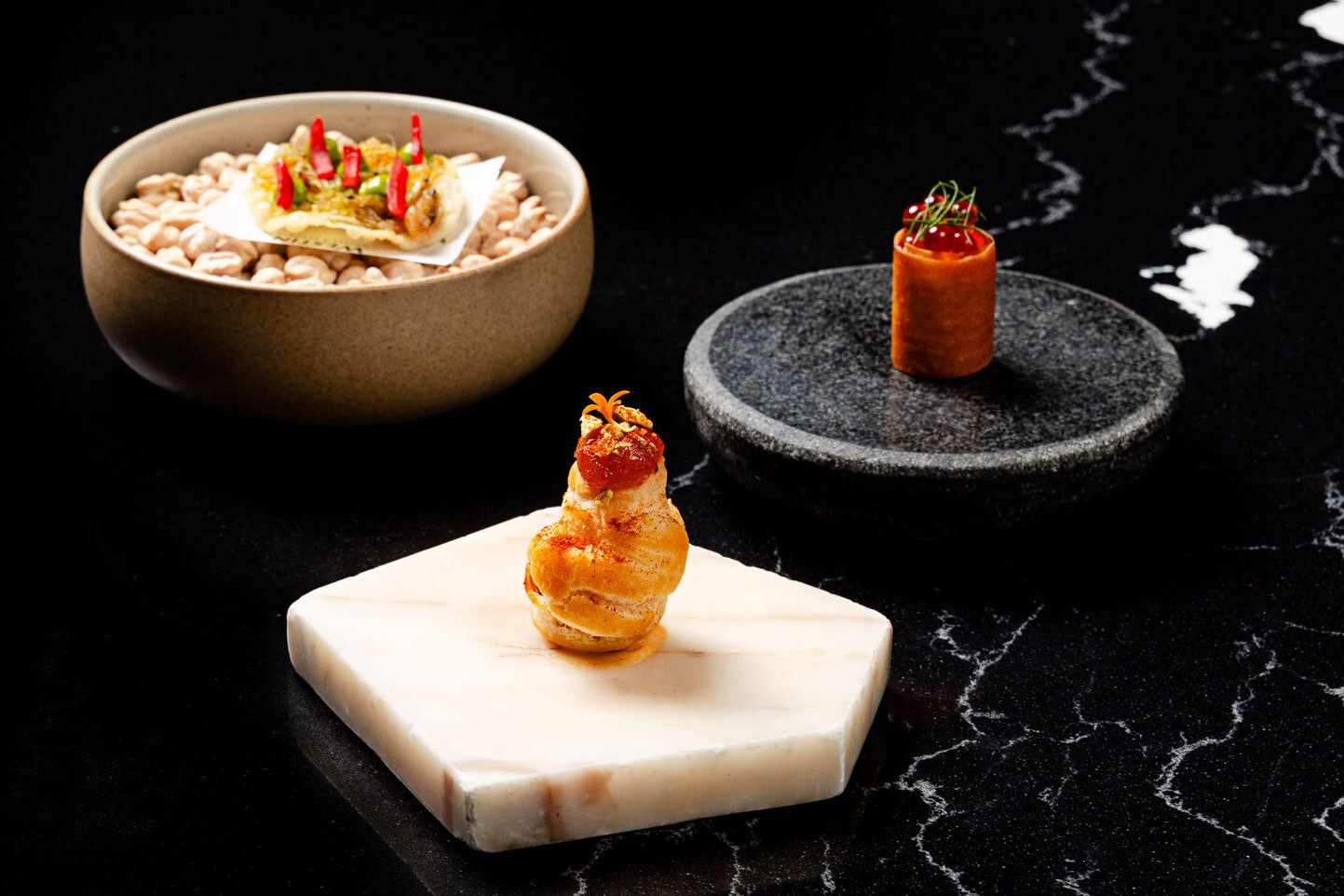
Rounding out the trio was the Tortillita de Camarones: baby prawn fritters topped with pickled onions and a parsley emulsion. Light, airy, and crisp, this Cádiz delicacy burst with the flavors of the sea. I could easily have eaten a whole tray!
These tapas were paired with Torelló Brut Reserva, a sparkling wine featuring notes of ripe summer fruits—pear aromas standing out in particular—alongside hints of brioche and cream for a smooth finish.
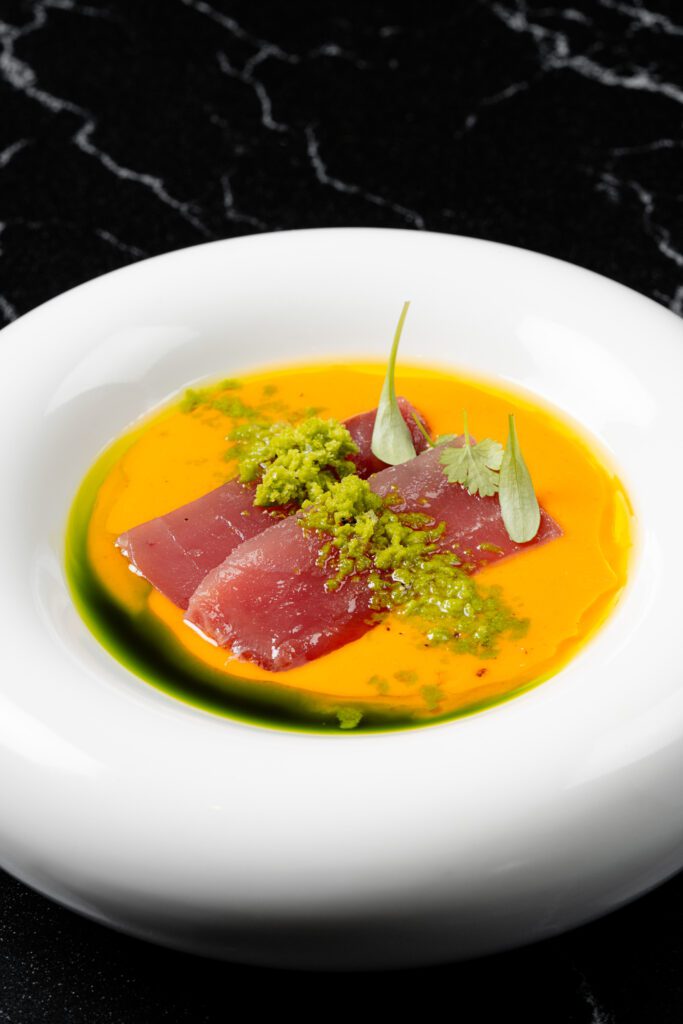
Leading the main courses was the Atún, Gazpacho, Piriñaca y Aliño, tuna sashimi, gazpacho, and pickled Spanish peppers with a frozen salad. This contemporary take on a comforting classic offered a brilliant convergence of Spain’s northern and southern flavors.
Related story: This new BGC resto is all about beef, rice, and the many ways to enjoy both
Related story: After 14 years of saying no, Yushoken finally says yes
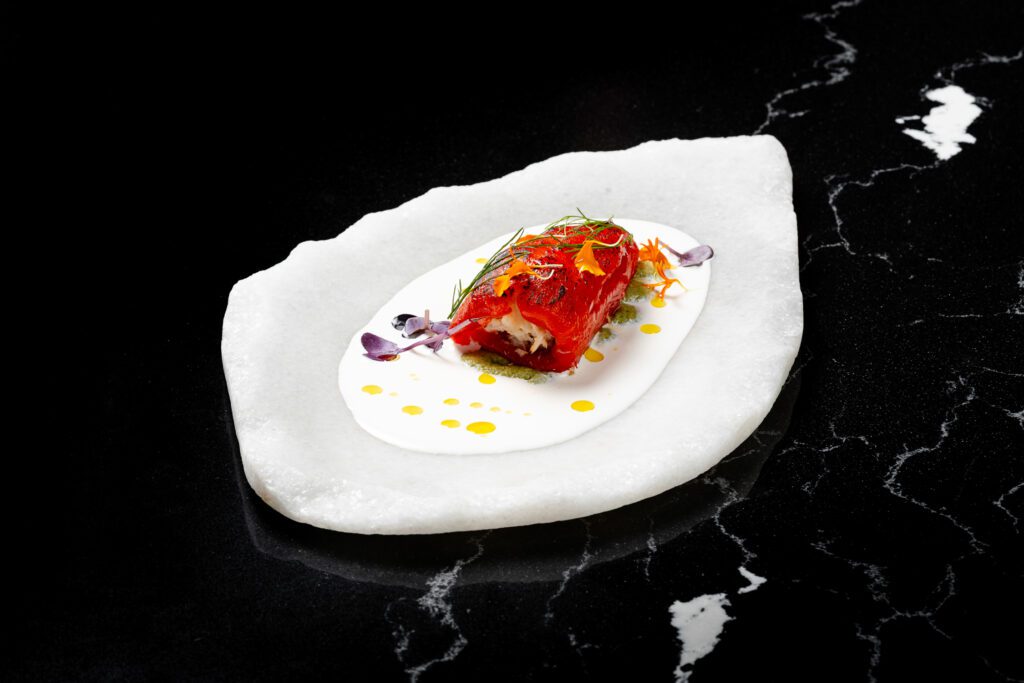
The second course was a peppery delight: Pimientos de Piquillo, Cangrejo, Suero de Hinojo y Majao (stuffed piquillo pepper, crab, fennel dressing, and majao). I am not a fan of peppers, but this dish brought out their natural sweetness that my plate was clean before I even realized it.

These courses were accompanied by Tradición Fino Envejecido, a fully matured wine produced through the traditional criaderas y soleras aging system of the Spanish city of Jerez. Crafted from 100% Palomino Fino grapes and aged under velo de flor (literally veil of flower) in American oak casks for an average of 10 years, it boasted a complex, oaky character that complemented the gentle, sweet flavor of the stuffed pepper.
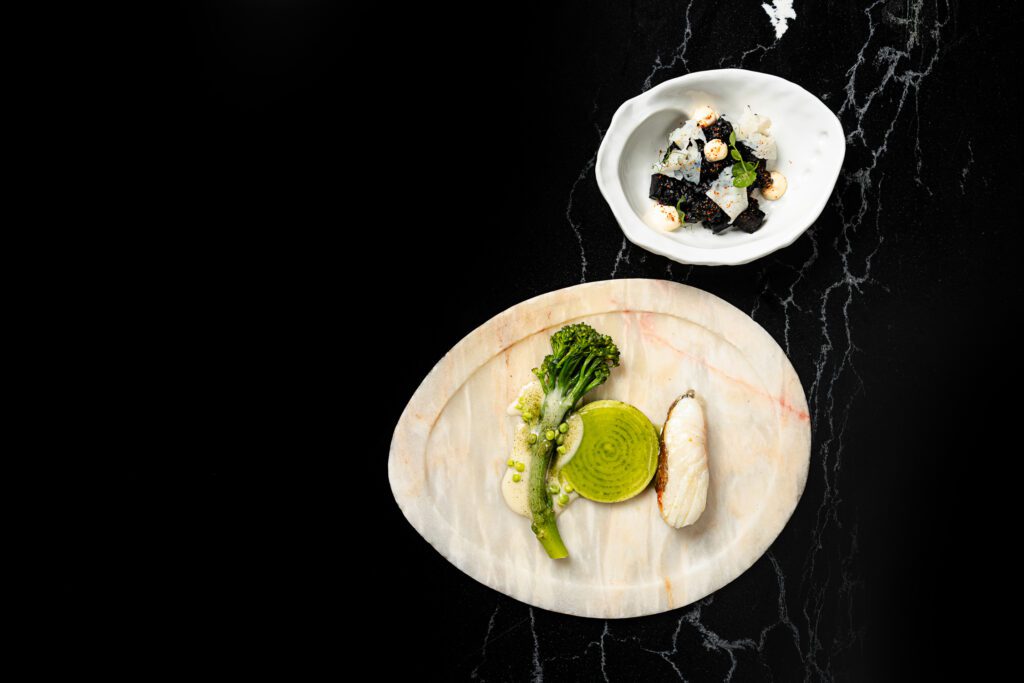
The third course, Bacalao al Pilpil, Cuajada de Apio y Meloso de Choco y Vieiras (codfish, pil-pil, celery cuajada, and black rice with cuttlefish and scallops), was Cantabria’s interpretation of northern Spain’s signature bacalao al pil-pil. The fish was unbelievably tender, but the rice stole the show—cooked in cuttlefish and scallops, each grain was infused with rich seafood umami. I was mindblown. It was my absolute favorite dish of the night, and a crowd-pleaser at our table.
It was paired with Raúl Pérez Ultreia St. Jacques, a red wine made from Mencía grapes harvested from 50-year-old vines in northwestern Spain. With vibrant red and dark berry notes, bright acidity, and earthy undertones, it was exceptionally smooth—and easily became my favorite wine of the evening. When Besay mentioned how reasonable its price tag was, I checked Txanton’s website to find it listed at ₱1,295. A total steal! (Adding to cart now!)
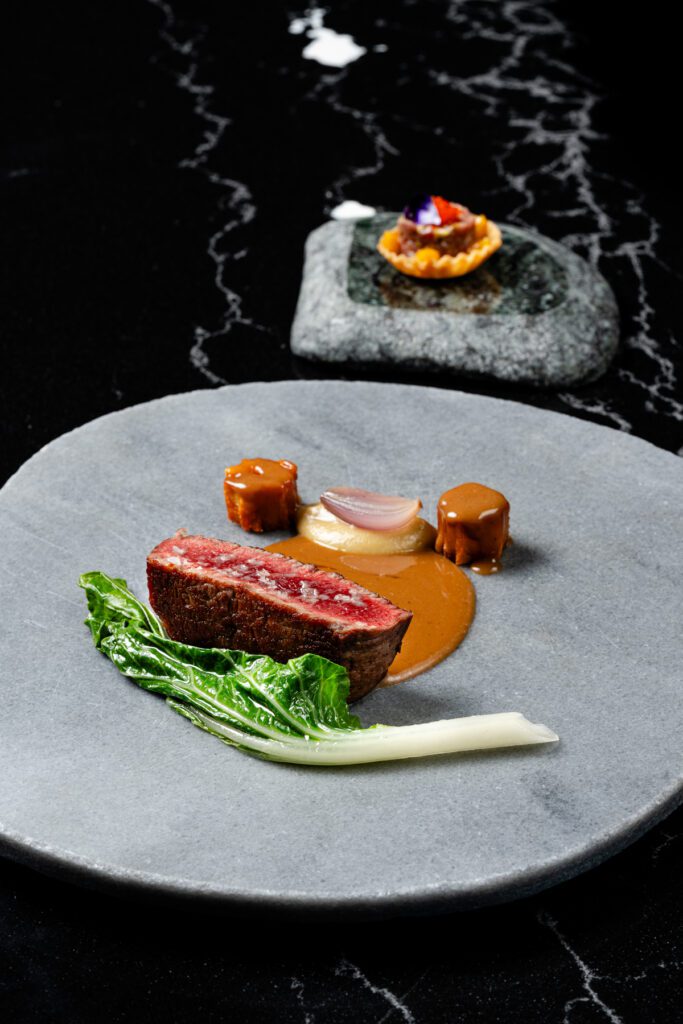
The final main course brought a smile to my face, unapologetic carnivore that I am: Solomillo de Vaca, Salsa Café de Paris, Pavé y Berenjena Asada (tenderloin, Café de Paris sauce, roasted eggplant purée, and potato pavé). A nod to classic Spanish home cooking, the succulent tenderloin came bathed in a Café de Paris sauce enriched with Cantabrian anchovies for an extra punch of coastal umami.
The solomillo was paired with Castillo de Olite Reserva, an elegant red showing noble barrel evolution, the roundness of Garnacha, the smoothness of Tempranillo, and a touch of structure from Cabernet Sauvignon.
Related story: In BGC, merienda meets the modern coffeehouse
Related story: Ube is having a moment, and the world is catching on
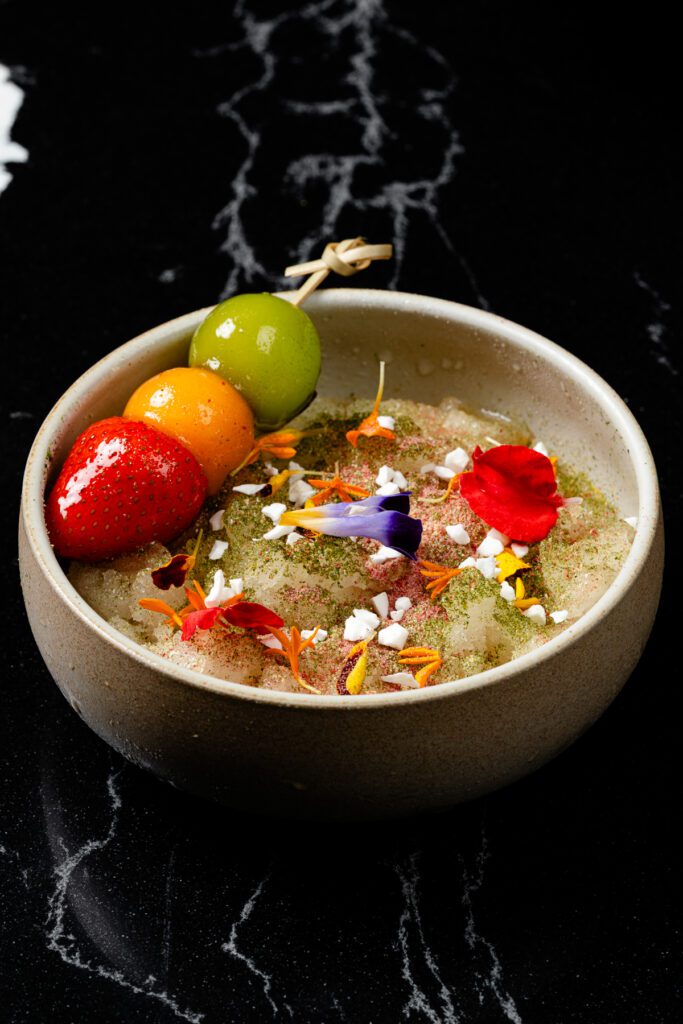
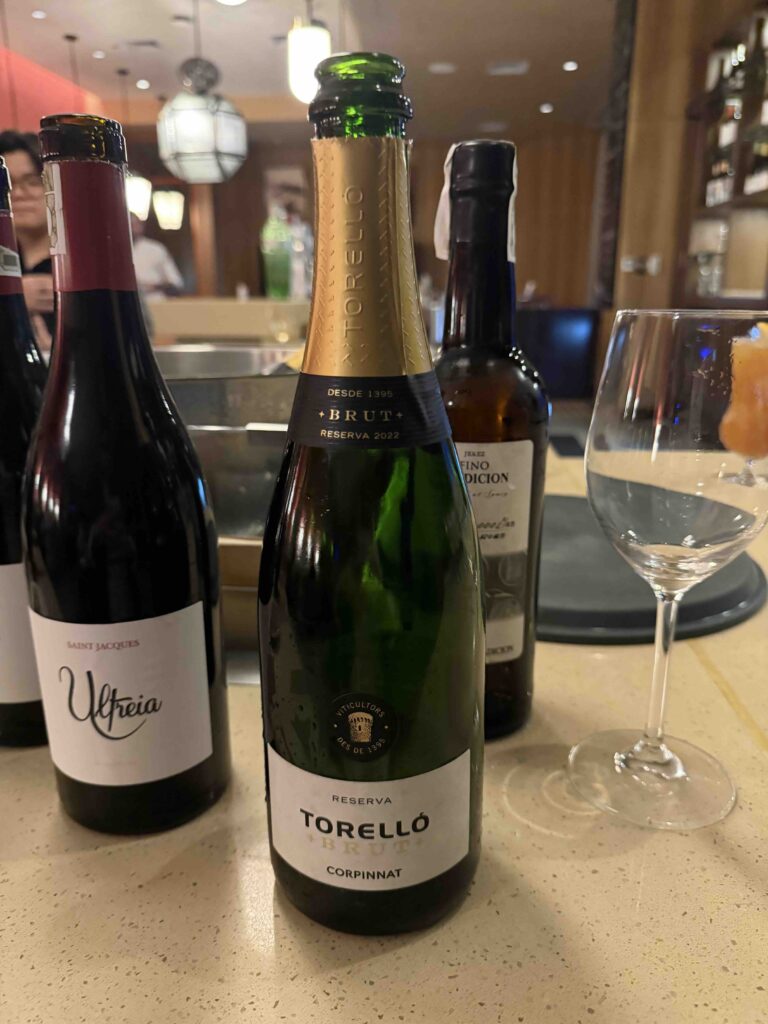
Photo: Johanna L. Añes-de la Cruz
Capping off the feast was the dish that looked, tasted, and felt most like summer: Melón, Cítricos y Macedonia (melon gelée, lime-lemon granita, and Macedonia skewers). Chef Álvaro explained this colorful bowl was a reimagining of nostalgic citrus ice pops, served with slices of Cantabrian sobao. Refreshing and bright, it made me completely forget the torrential rain outside.
Even dessert received a thoughtful pairing: a glass of Pérez Barquero, whose intense, velvety, and complex aroma balanced the lightness of the melon gelée. A perfect end to a perfect dinner!
¡Muchas gracias, Cantabria! For a few hours on a dreary Tuesday night, I enjoyed a brief Spanish summer rendezvous!
The Los Chicucos Verano Menú is at P2,900+ per person, with an add-on charge to upgrade to wine pairing at P1,950+. The menu is available for lunch and dinner until October 31, 2026. A reservation is required via https://qrco.de/LOSCHICUCOSVeranoMenu.