
What began as an effort to protect the identity of Cornell University’s rape victim has grown into a powerful show of solidarity among women.
It’s been a difficult couple of weeks for women everywhere as the Cornell University frat house rape case has taken over our news feeds.
In case you missed it: In 2024, student Jane Doe (whose identity is withheld for her safety) reported that she was drugged and gang-raped for seven hours by at least seven members of the Chi Phi fraternity, now infamously known as the “Cornell 7.” A photo of the fraternity’s Snapchat group chat, which has since circulated on social media, showed how they invited fellow members to have sex with the incapacitated woman upstairs.
Globally, one in three women (over 840 million) have been subjected to physical and/or sexual violence at least once in their lives.
After the initial investigation, two of the accused were expelled, while the remaining five allegedly wrote essays to mitigate their conduct. All of them roamed scot-free while she left the university without receiving justice.
Nearly two years later, Jane filed a civil lawsuit against the seven students and Cornell University for failing to protect her. On Sept. 27, 2026, Tompkins County District Attorney Matthew Van Houten issued a statement saying that after speaking with Jane Doe and her attorneys, he was reopening the investigation. More details are still coming out, from text messages after the incident to the Cornell campus police leaving out Jane’s claim that she was raped in her initial statement, which they sent to prosecutors.
Every piece of information that has emerged paints the enormity of what Jane Doe says happened to her. But there is one detail that has no place in the public record: her identity. She filed the civil action under the pseudonym Jane Doe, and current reporting continues to respect that anonymity.
Related story: Turning the tide: Why it’s long overdue for rape-related shame to switch sides
Related story: Who owns a woman’s body?
Related story: What the docuseries ‘Marissa: In Fertility’ teaches us about the pressure and cost of having kids
We are Jane Doe
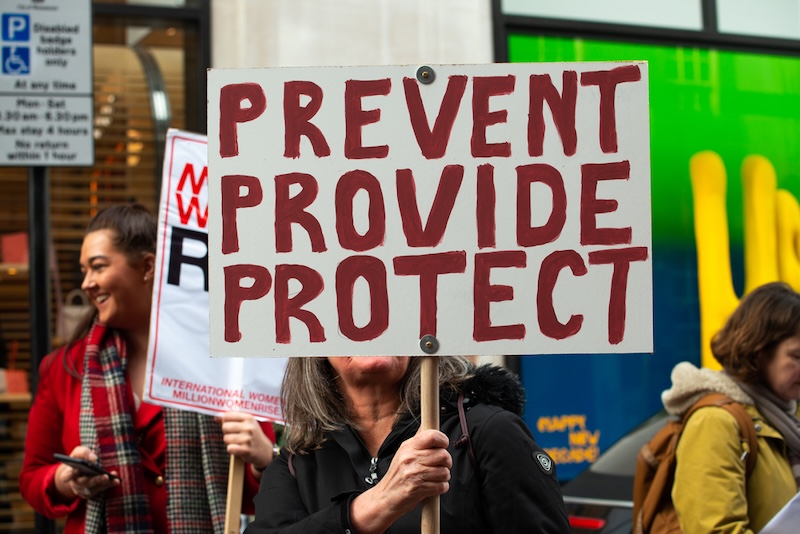
Amid the public clamor to make the Cornell 7 accountable, American journalist and political commentator Michael Tracey asked his followers to help him identify Jane Doe “to evaluate her veracity.” Despite calls to keep her identity private for her safety and dignity, Tracey—and everyone who shares his opinion—seems determined to dox her.
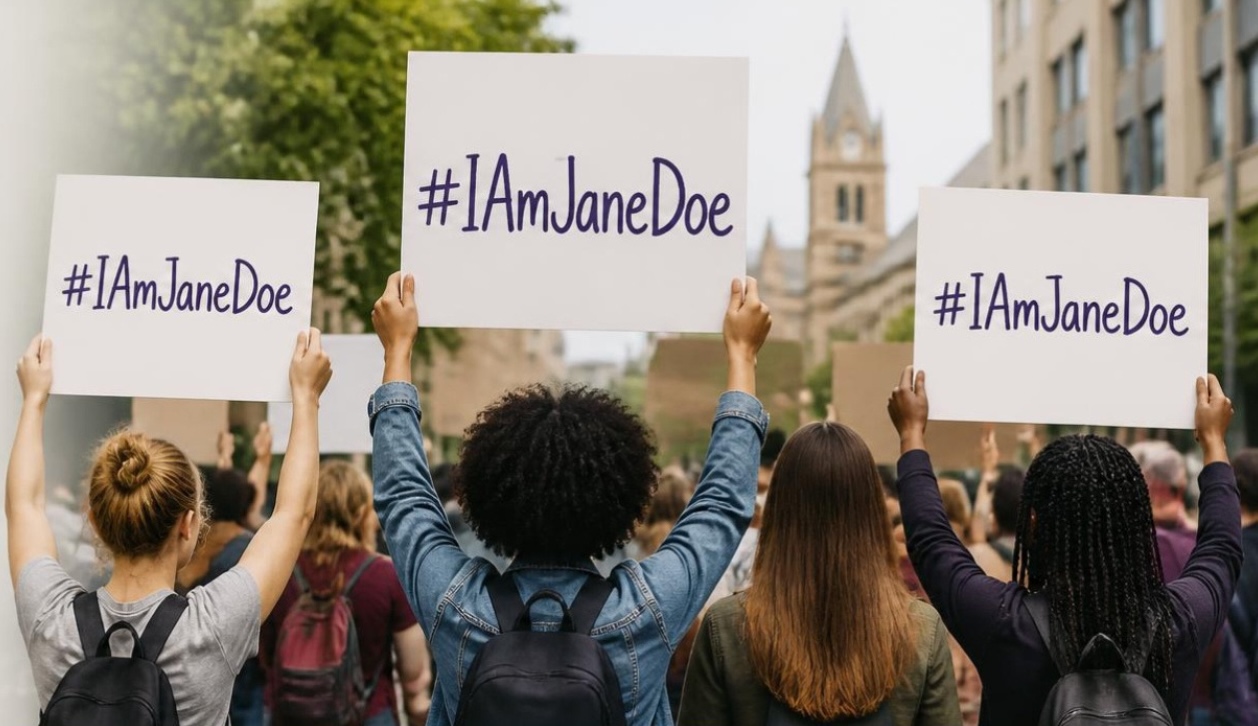
In response, women (and many men) have rallied behind Jane with “I am Jane Doe” to help hide her identity and make it difficult to find her real name.
It’s a smart move. It reminds me of a scene in the 2005 film Hard Candy, where Elliot Page plays a teenage girl named Hayley, who takes a pedophile (played by Patrick Wilson) hostage. Towards the end, Hayley tells her hostage that he wouldn’t be able to find her, and that her real identity essentially didn’t matter because “I am every girl you ever watched, touched, hurt, screwed, killed.”
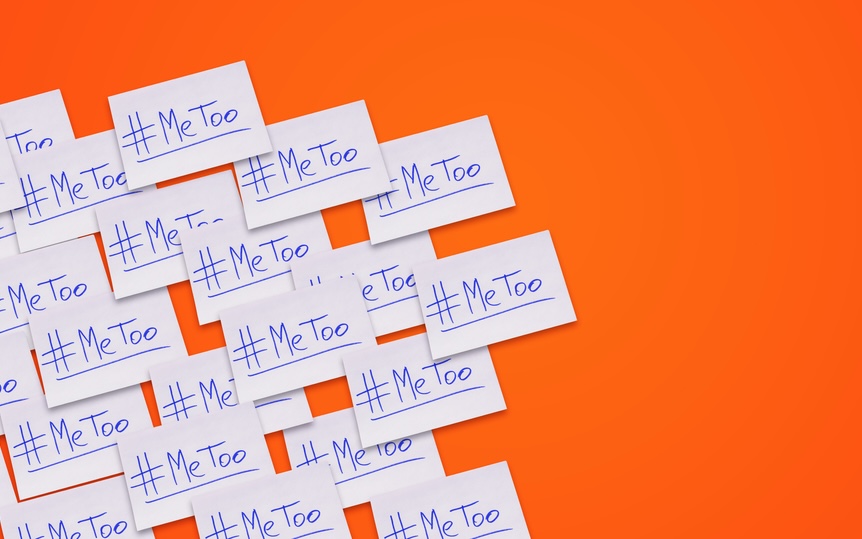
What makes “I am Jane Doe” even more powerful is the reality that any woman can be her. Women are using this social media campaign to share their own experiences with sexual assault and harassment, and to raise awareness of what women go through regularly. This is also what made #MeToo an effective movement in 2017, as it brought mostly women together in the struggle to speak out against their abusers and the equally abusive patriarchal society that harbors them.
One in three
Globally, one in three women (over 840 million) have been subjected to physical and/or sexual violence at least once in their lives. According to RAINN, out of every 1,000 sexual assaults reported in the United States, only 50 lead to an arrest. It’s no exaggeration that every woman you meet will have a story of being sexually harassed or assaulted at different stages in her life.
For women walking alone, the fear of being followed by a dangerous person is an everyday reality. So are the fears of boundaries being crossed; nonconsent being ignored; getting berated when you tell them “no”; being taken advantage of when you’re in a vulnerable state; being told you’re overreacting when you report sex offenders because you’re going to “ruin their life”; and being asked what you were wearing and told “you asked for it.”

When people become more interested in uncovering Jane Doe’s real identity than in the gravity of the rape, the scrutiny shifts from the alleged crime to the woman reporting it.
These are only the tip of the iceberg of what many women and girls have to deal with yet they are all very real. Sadly, many never talk about their experiences or report them to the police, often out of fear, shame or the belief that they will not be believed.
When people become more interested in uncovering Jane Doe’s real identity than in the gravity of the rape, the scrutiny shifts from the alleged crime to the woman reporting it. It also sends a chilling message to women everywhere: that speaking up can make you a target, too; that instead of protecting your privacy, people may try to expose you.
That is how broken the system still is.
If there’s one takeaway from the “I am Jane Doe” movement, it’s that there will always be allies who will protect women like Jane. Being believed and supported when a woman talks about what happened to her is already the least anyone can do—especially in a society where “not all men” is still the response we get when we come forward.